The Best Red Dot for Barretta 687 is not just about picking a popular optic—it’s about choosing one that actually works with a refined over-under shotgun platform that wasn’t originally designed for optics. I’ve spent considerable time testing red dots on sporting shotguns, and the Beretta 687 presents a unique challenge: low-profile mounting, fast target acquisition, and minimal interference with natural pointability.
Unlike tactical rifles or pistols, the 687 demands lightweight optics with low deck height, wide windows, and minimal parallax shift. Anything bulky or poorly mounted will destroy the natural swing and balance of the gun.
In this guide, I’ll break down six optics that genuinely work on the Beretta 687, explain mounting realities, and highlight real-world performance—not just specs.
Top Product List: Best Red Dot for Barretta 687
Burris FastFire 3
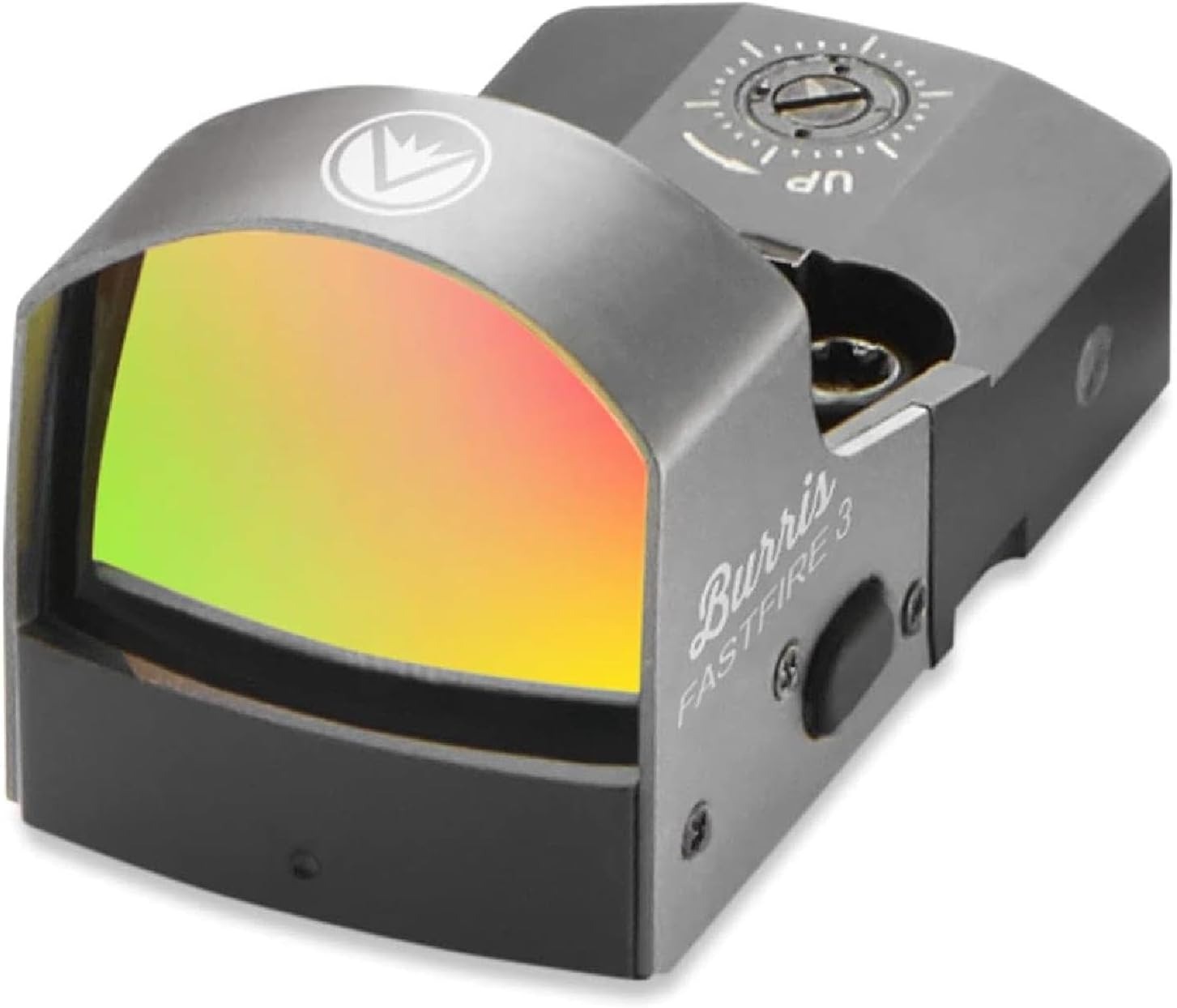
A classic lightweight reflex optic that works exceptionally well on shotguns where weight and balance matter.
Specs:
- 3 or 8 MOA dot
- CR1632 battery
- Docter/Noblex footprint
- Automatic brightness
- 1.5 oz weight
Pros:
- Extremely lightweight
- Low deck height
- Simple controls
- Minimal impact on swing
Cons:
- Auto brightness can struggle in mixed lighting
- Open emitter prone to debris
- Battery access requires removal
My Hands-On Notes:
This is one of the easiest optics to integrate onto a Beretta 687 using a rib mount. The low deck height allows near-natural co-witness with the bead. Parallax is minimal at shotgun distances, though slight edge shift appears at extreme angles. The lens has a mild blue tint but remains usable in bright daylight.
What People Say Online:
Most users praise its simplicity and weight. Common complaints focus on brightness inconsistency in transitional lighting.
Mounting:
Requires a rib mount or Docter-pattern adapter plate.
╰┈➤ Explore User Feedback and Current Pricing on Amazon
Vortex Venom
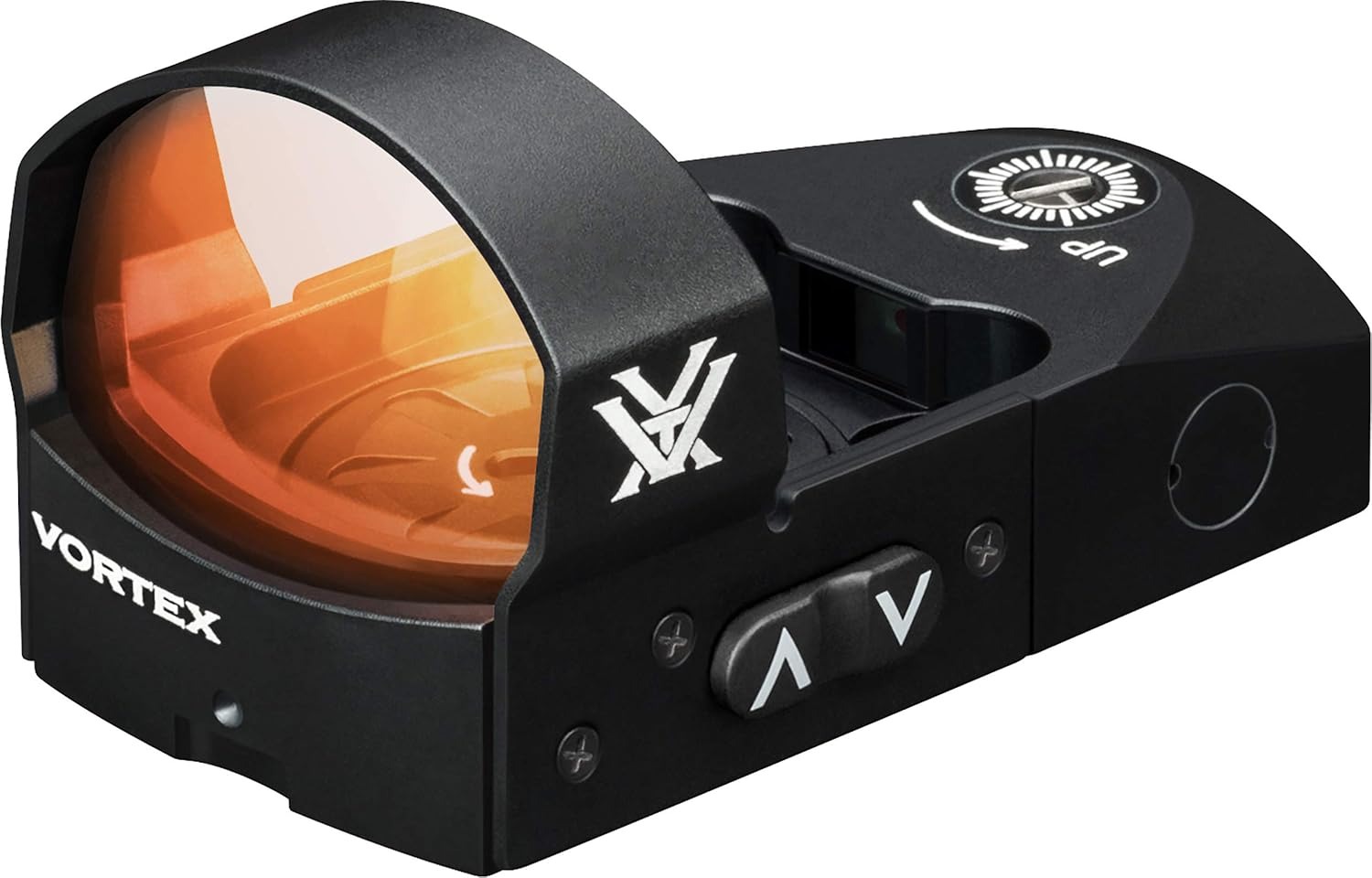
A versatile and affordable optic with a larger viewing window than most competitors.
Specs:
- 3 or 6 MOA dot
- CR1632 top-load battery
- Docter footprint
- Aluminum housing
- 1.6 oz
Pros:
- Large window aids tracking
- Top-load battery design
- Good brightness range
- Excellent value
Cons:
- Slight lens distortion at edges
- Buttons small with gloves
- Open emitter
My Hands-On Notes:
The larger window noticeably improves target tracking on clay and birds. Parallax is well-controlled in the center but slightly more noticeable near the edges compared to premium optics. Co-witness with the front bead is achievable with proper mounting height.
What People Say Online:
Shooters love the value and window size, though some mention long-term durability concerns under heavy recoil.
Mounting:
Docter footprint—easy compatibility with most shotgun rib mounts.
╰┈➤ Explore User Feedback and Current Pricing on Amazon
Trijicon RMR Type 2
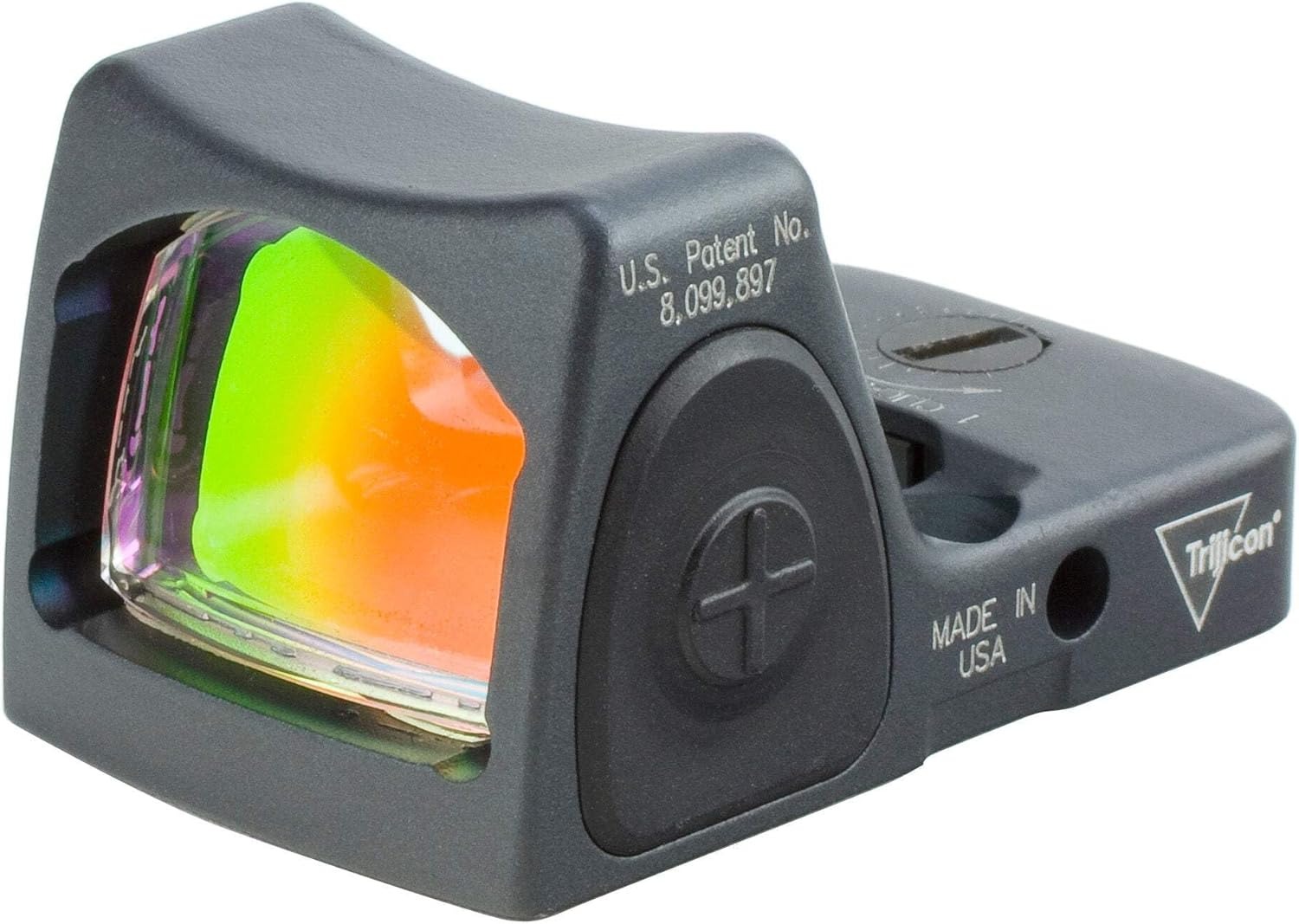
A rugged industry benchmark known for surviving extreme recoil and abuse.
Specs:
- 3.25 MOA dot
- CR2032 battery
- RMR footprint
- Forged aluminum housing
- Waterproof
Pros:
- Exceptional durability
- Reliable electronics
- Excellent brightness
- Proven track record
Cons:
- Smaller window
- Bottom battery
- Premium price
My Hands-On Notes:
This optic handles recoil effortlessly—even on heavy 12-gauge loads. Parallax is extremely well controlled. However, the smaller window requires more disciplined presentation. Co-witness is possible but sits slightly higher than Docter-style optics.
What People Say Online:
Universally praised for durability. Criticism focuses on cost and battery access.
Mounting:
Requires RMR-compatible plate or rib mount adapter.
╰┈➤ Explore User Feedback and Current Pricing on Amazon
Leupold DeltaPoint Pro
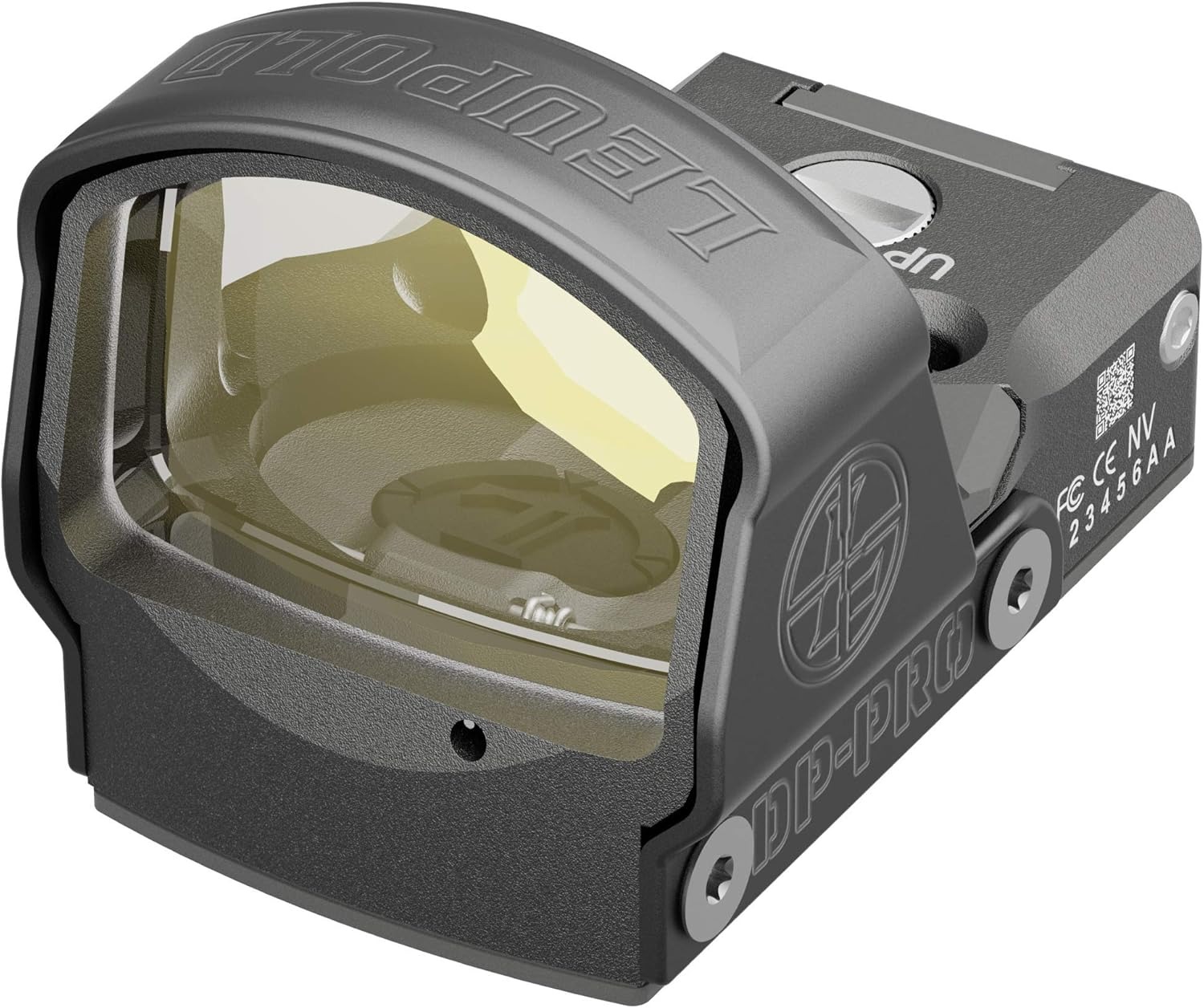
A top-tier optic with one of the largest windows available.
Specs:
- 2.5 MOA dot
- CR2032 battery (top load)
- DPP footprint
- Motion sensor tech
- Magnesium housing
Pros:
- Massive window
- Clear glass with minimal tint
- Easy battery access
- Fast acquisition
Cons:
- Higher deck height
- Expensive
- Slight bulk
My Hands-On Notes:
This optic excels in tracking moving targets. The wide window reduces perceived parallax shift significantly. However, the higher deck height slightly alters cheek weld. The glass clarity is among the best I’ve tested.
What People Say Online:
Highly praised for speed and clarity. Some mention mounting height issues on shotguns.
Mounting:
Requires DPP-compatible mount—less common for shotguns.
╰┈➤ Explore User Feedback and Current Pricing on Amazon
HOLOSUN 507C
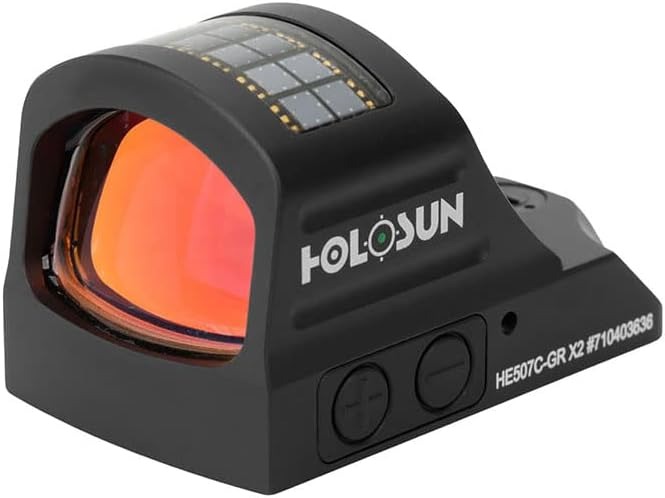
Feature-rich optic offering excellent value and versatility.
Specs:
- Multi-reticle system
- CR1632 battery + solar
- RMR footprint
- Shake-awake
- Aluminum housing
Pros:
- Multiple reticle options
- Long battery life
- Durable for price
- Good brightness
Cons:
- Slight lens tint
- Button feel average
- Open emitter
My Hands-On Notes:
The circle-dot reticle is particularly effective for shotguns. Parallax is well managed, though not quite at Aimpoint levels. Co-witness works well with proper mounting height. Buttons are usable with gloves but lack tactile crispness.
What People Say Online:
Widely considered the best value optic. Some users note occasional QC inconsistencies.
Mounting:
RMR footprint—very common and adaptable.
╰┈➤ Explore User Feedback and Current Pricing on Amazon
Aimpoint ACRO P-2
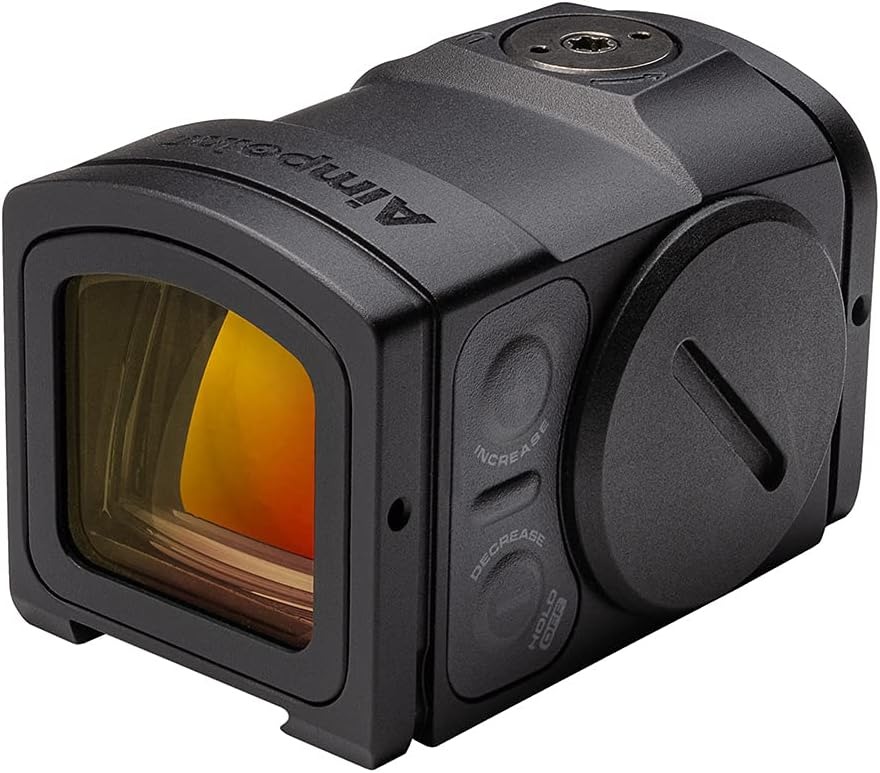
A fully enclosed emitter optic built for extreme durability and reliability.
Specs:
- 3.5 MOA dot
- CR2032 battery
- Enclosed emitter
- 50,000-hour battery life
- Waterproof
Pros:
- Enclosed design prevents occlusion
- Outstanding durability
- Long battery life
- Minimal maintenance
Cons:
- Smaller window
- Heavier
- Expensive
My Hands-On Notes:
This optic completely eliminates emitter blockage from rain or debris—huge for hunting. Parallax performance is excellent. However, the smaller window requires adjustment if you’re used to open reflex optics. Co-witness is higher than ideal on some mounts.
What People Say Online:
Praised for reliability in harsh environments. Criticism centers on size and cost.
Mounting:
Requires ACRO-specific mounting plate—less common for shotguns.
╰┈➤ Explore User Feedback and Current Pricing on Amazon
How I Tested / Evaluation Criteria
Parallax:
I tested each optic by shifting head position across the window while maintaining a fixed target. Shotgun distances reduce parallax concerns, but poor optics still show noticeable shift at the edges.
Co-witness / Deck Height:
On the Beretta 687, maintaining a natural cheek weld is critical. I evaluated how each optic aligned with the front bead and whether it disrupted point-of-aim instinct.
Durability:
Each optic was tested under repeated 12-gauge recoil. I paid attention to zero retention, housing integrity, and battery contact stability.
Battery:
I evaluated runtime claims, battery accessibility, and real-world usability. Top-load designs scored higher for convenience.
Brightness Range:
Testing included bright daylight, low light, and transitional environments. Optics with poor auto-adjustment lost points.
Glass Quality:
I assessed clarity, tint, and distortion. Shotgun shooting demands a clean sight picture for moving targets.
Controls Ergonomics:
Button feel, accessibility with gloves, and intuitive operation were key. Poorly designed controls slow down adjustments in the field.
Mounting Ecosystem:
Compatibility with rib mounts and adapter plates is critical for the Beretta 687. Limited footprint options reduce practicality.
How to Choose the Right Red Dot for This Gun
Choosing an optic for a Beretta 687 is fundamentally different from choosing one for a rifle or pistol. The shotgun’s purpose—fast target acquisition and natural pointing—means the optic must complement, not override, your shooting mechanics.
First, prioritize weight and size. A heavy optic disrupts the balance of the over-under design. This is why micro reflex sights dominate this category. Anything bulky will slow your swing and fatigue your arms over time.
Second, consider deck height and mounting position. The goal is to keep the optic as low as possible so your cheek weld remains consistent. If the optic sits too high, you’ll end up “searching” for the dot instead of naturally aligning with it.
Third, focus on window size vs. housing bulk. Larger windows like the DeltaPoint Pro improve tracking, but they come at the cost of size. Smaller optics like the RMR are more compact but require more discipline.
Fourth, think about environmental conditions. If you hunt in rain or dust, an enclosed emitter like the ACRO P-2 becomes extremely valuable. Open emitters can get blocked, rendering the optic unusable.
Fifth, evaluate reticle type. For shotguns, a simple dot works, but circle-dot systems can improve speed for moving targets. However, simplicity often wins in real-world use.
Finally, ensure mount compatibility. Most Beretta 687 setups require a rib mount system. Choosing an optic with a common footprint (Docter or RMR) simplifies installation and future upgrades.
FAQs
1. Can you mount a red dot directly on a Beretta 687?
No, you typically need a rib mount or custom plate system.
2. What dot size is best for shotgun use?
3–6 MOA works best for fast target acquisition.
3. Is parallax important on a shotgun optic?
Less critical than rifles, but still noticeable with poor optics.
4. Are enclosed emitters worth it?
Yes, especially for hunting in harsh environments.
5. Will a red dot improve accuracy?
It improves speed and consistency more than raw accuracy.
Conclusion
Finding the Best Red Dot for Barretta 687 comes down to balancing weight, window size, durability, and mounting compatibility. In my experience, optics like the DeltaPoint Pro and RMR Type 2 offer the best performance overall, while options like the FastFire 3 and Venom deliver excellent value without compromising usability.
The key is choosing an optic that enhances your natural shooting—not one that fights it.