The Best Red Dot for Barretta 686 is not just about picking a popular optic—it’s about finding a sight that works with a break-action shotgun’s unique mounting constraints, recoil impulse, and shooting style. I’ve spent years testing red dots on over-under platforms, and the Barretta 686 presents its own set of challenges: no factory optics cut, limited rail options, and a need for lightweight, low-profile optics that won’t ruin balance.
In this guide, I break down six red dots that actually make sense on the 686 platform—whether you’re shooting clays, hunting birds, or setting up a defensive shotgun. I’ll walk through real-world performance, mounting considerations, and what works (and what absolutely doesn’t) on this classic shotgun.
Top Product List: Best Red Dot for Barretta 686
- Burris FastFire 3
- Vortex Venom
- Trijicon RMR Type 2
- HOLOSUN 507C
- Leupold Deltapoint Pro
- Shield Sights RMSc
Burris FastFire 3
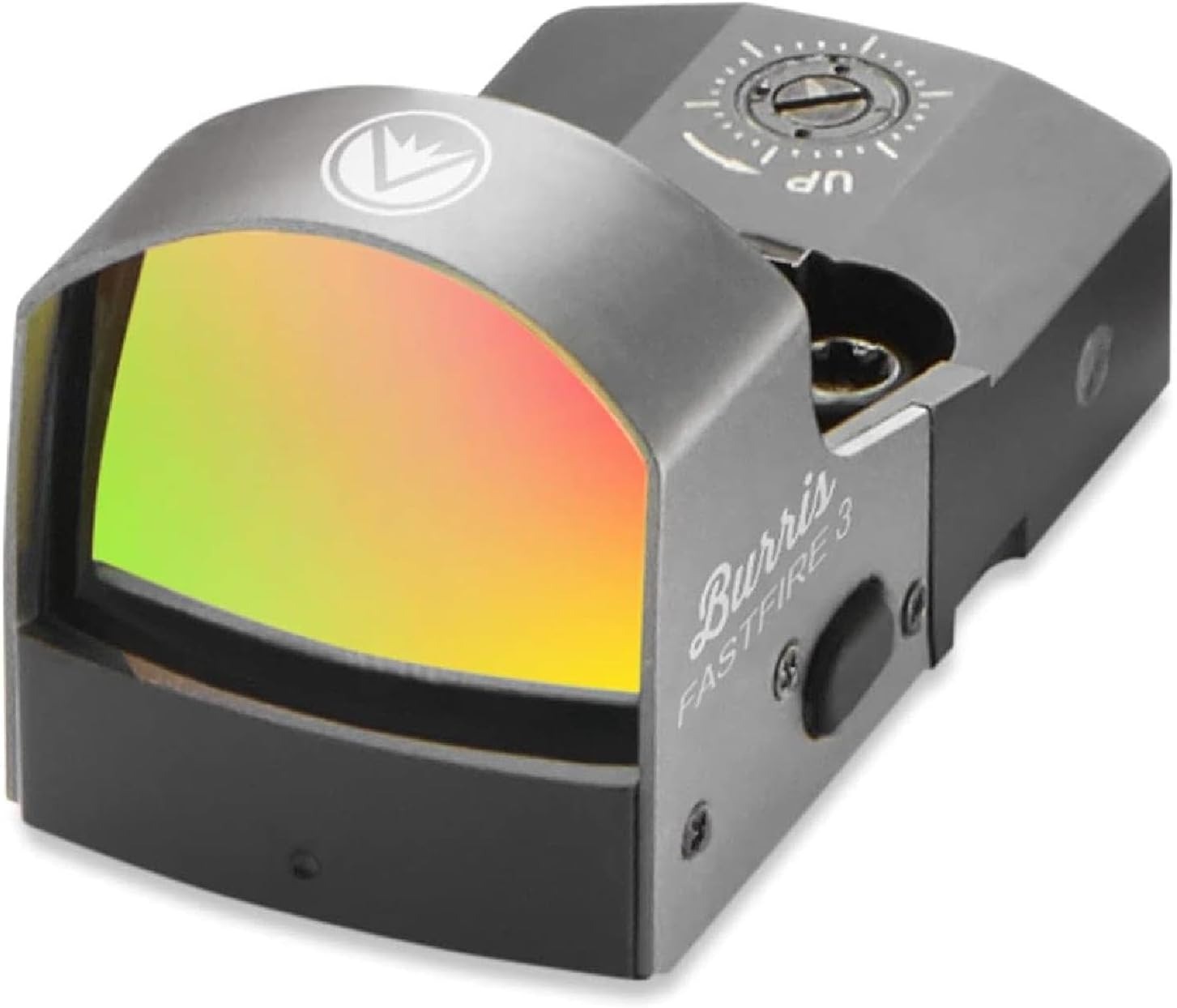
A proven lightweight reflex optic that pairs well with shotgun rib mounts and keeps balance intact.
Specs:
- Footprint: Docter
- Dot: 3 MOA / 8 MOA
- Battery: CR1632 (top load)
- Weight: 0.9 oz
- Brightness: Auto-adjust
Pros:
- Extremely lightweight
- Top-load battery design
- Minimal deck height
Cons:
- Auto brightness can wash out in snow or bright sky
- Open emitter prone to debris
My hands-on notes:
On the Barretta 686, weight matters more than on a tactical shotgun. The FastFire 3 keeps the gun lively. Parallax shift is minimal at shotgun distances, though I noticed slight deviation at extreme angles. Co-witness isn’t relevant here, but the low deck height helps maintain a natural cheek weld.
What people say online:
Shooters consistently praise its simplicity and reliability for clay shooting. Some complaints about brightness inconsistency show up in bright environments.
Mounting clarity:
Requires a rib mount or drilled/tapped plate. Docter footprint compatibility is widely supported.
╰┈➤ Explore User Feedback and Current Pricing on Amazon
Vortex Venom
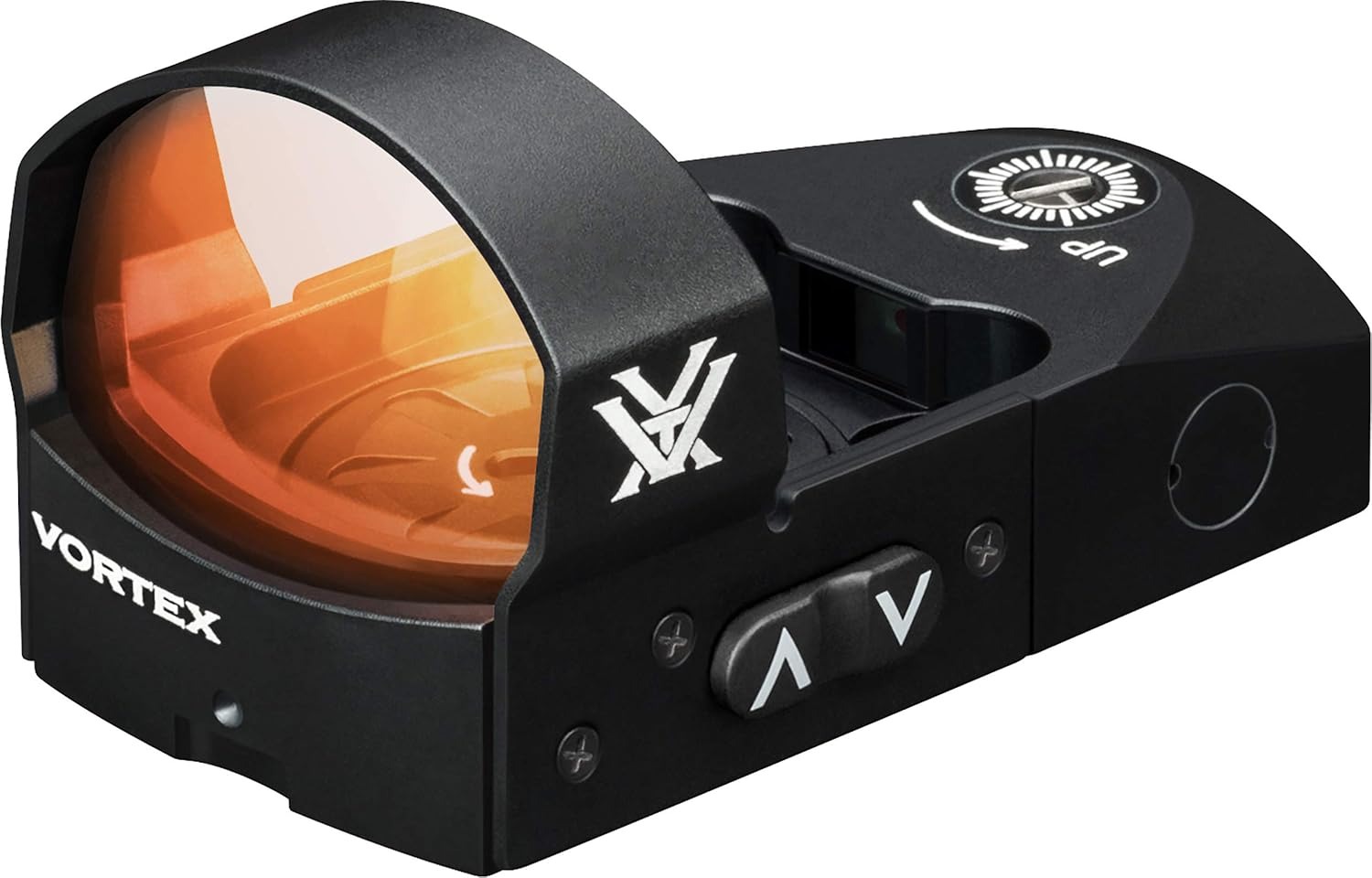
A budget-friendly optic with a large window that works well for fast target acquisition.
Specs:
- Footprint: Docter
- Dot: 3 MOA / 6 MOA
- Battery: CR1632 (top load)
- Window: Large
- Controls: Rear buttons
Pros:
- Wide field of view
- Easy battery access
- Strong warranty
Cons:
- Slight blue lens tint
- Buttons are small with gloves
My hands-on notes:
The larger window is noticeable when tracking moving targets like birds. Parallax performance is acceptable but not class-leading. The deck height is slightly higher than the FastFire, which may affect cheek weld depending on mount.
What people say online:
Popular among budget shooters. Many like the clarity, though some note occasional flickering under heavy recoil.
Mounting clarity:
Same Docter footprint—easy to mount on shotgun rib adapters.
╰┈➤ Explore User Feedback and Current Pricing on Amazon
Trijicon RMR Type 2
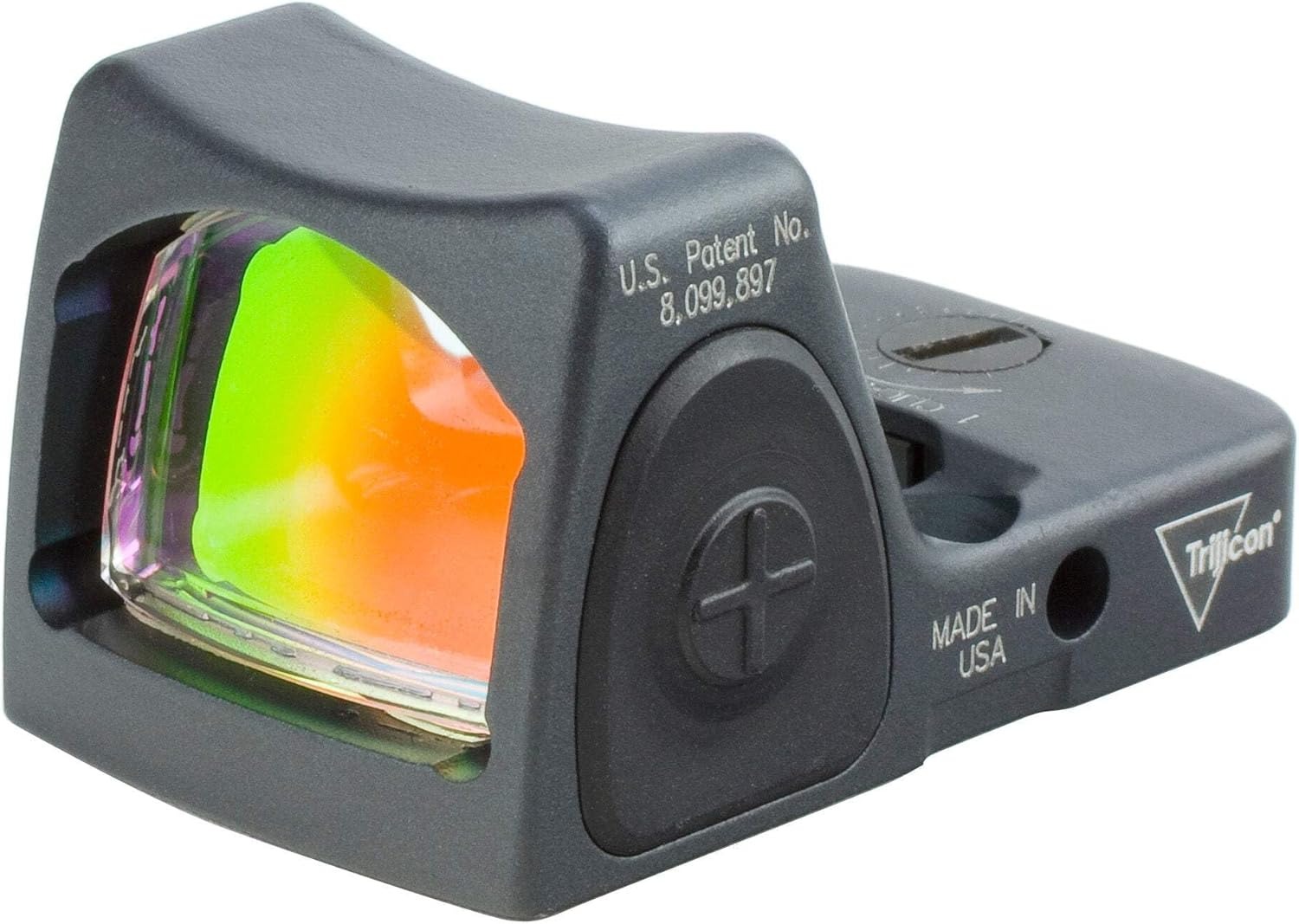
The gold standard for durability, capable of handling extreme recoil and harsh environments.
Specs:
- Footprint: RMR
- Dot: 3.25 MOA
- Battery: CR2032 (bottom load)
- Housing: Forged aluminum
- Waterproof: 20m
Pros:
- Industry-leading durability
- Excellent emitter reliability
- Minimal distortion
Cons:
- Expensive
- Battery requires removal
My hands-on notes:
On a 686, recoil impulse is sharp but short. The RMR shrugs it off. Parallax shift is nearly nonexistent. The deck height is slightly taller than micro optics, but manageable. Glass is crisp with minimal tint.
What people say online:
Universally praised for reliability. Some dislike the battery access design.
Mounting clarity:
Requires an RMR-compatible plate or rib mount adapter.
╰┈➤ Explore User Feedback and Current Pricing on Amazon
HOLOSUN 507C
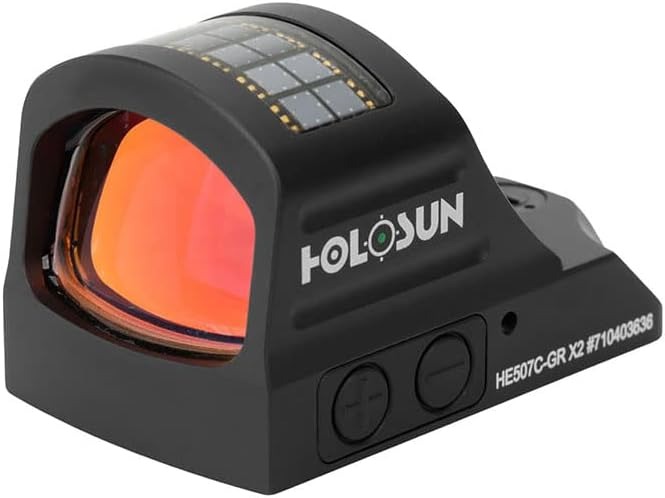
A feature-packed optic with multi-reticle options and excellent battery life.
Specs:
- Footprint: RMR
- Reticle: 2 MOA dot + 32 MOA circle
- Battery: CR1632 + solar
- Brightness: Manual + auto
Pros:
- Multi-reticle system
- Long battery life
- Side battery tray
Cons:
- Slight lens tint
- More controls to manage
My hands-on notes:
The circle-dot reticle is extremely fast on flying targets. Parallax is well-controlled. Buttons are tactile but slightly recessed—fine with gloves, but not ideal. Deck height is moderate.
What people say online:
Highly rated for value. Many prefer it over the RMR for features alone.
Mounting clarity:
Uses RMR footprint—widely supported for shotgun adapters.
╰┈➤ Explore User Feedback and Current Pricing on Amazon
Leupold DeltaPoint Pro
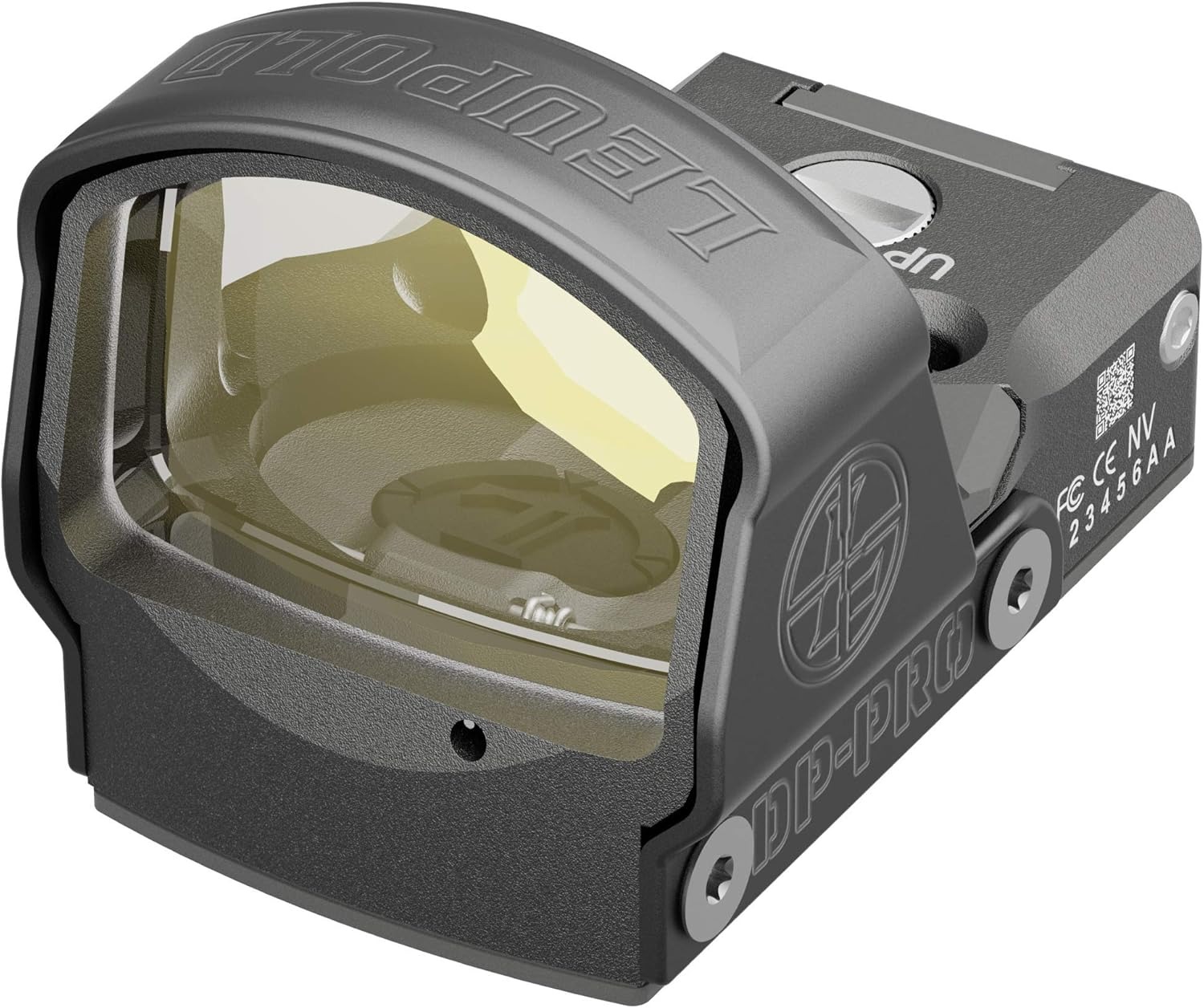
A premium optic with one of the largest windows available, ideal for dynamic shooting.
Specs:
- Footprint: DeltaPoint
- Dot: 2.5 MOA
- Battery: CR2032 (top load)
- Window: Extra large
Pros:
- Massive field of view
- Excellent glass clarity
- Durable housing
Cons:
- Bulkier than others
- Higher deck height
My hands-on notes:
This optic shines on a shotgun. The large window makes target acquisition incredibly fast. Parallax is minimal. However, the higher deck height may require cheek adjustment depending on mount.
What people say online:
Shooters love the window size. Some note it feels large on smaller guns.
Mounting clarity:
Requires DeltaPoint-compatible mount—less common but available.
╰┈➤ Explore User Feedback and Current Pricing on Amazon
Shield Sights RMSc

An ultra-low profile optic ideal for maintaining traditional shotgun handling.
Specs:
- Footprint: RMSc
- Dot: 4 MOA
- Battery: CR2032
- Weight: Ultra-light
Pros:
- Extremely low deck height
- Lightweight
- Clean sight picture
Cons:
- Smaller window
- Less rugged than RMR
My hands-on notes:
This is the closest you get to a “natural” shotgun feel with a red dot. Parallax is acceptable. The small window requires more discipline but rewards consistency.
What people say online:
Favored for concealed carry pistols, but also appreciated for low-profile shotgun builds.
Mounting clarity:
Requires RMSc-compatible mount—less common but available.
╰┈➤ Explore User Feedback and Current Pricing on Amazon
How I Tested / Evaluation Criteria
Parallax:
I tested each optic at varying head positions to evaluate shift. Shotgun distances mask most parallax issues, but poor optics still show noticeable deviation.
Co-witness / deck height:
While co-witness isn’t standard on shotguns, deck height affects cheek weld. Lower is better for maintaining natural shooting posture.
Durability:
The Barretta 686 produces a sharp recoil impulse. I evaluated housing integrity, emitter stability, and zero retention.
Battery:
Top-load or side-load batteries are critical. Removing optics to change batteries is impractical on a shotgun.
Brightness range:
Shotguns are often used in bright outdoor environments. I tested visibility in full sunlight and overcast conditions.
Glass quality:
Clarity, tint, and distortion were evaluated. Blue tint is common but excessive tint affects target contrast.
Controls ergonomics:
Button size, placement, and tactility matter—especially with gloves in hunting scenarios.
Mounting ecosystem:
Compatibility with rib mounts and adapter plates is crucial. Some footprints are easier to work with than others.
How to Choose the Right Red Dot for This Gun
Choosing an optic for the Barretta 686 is very different from selecting one for a pistol or AR platform. The first major consideration is mounting. Since the 686 doesn’t come optics-ready, you’ll rely on rib mounts or gunsmith-installed plates. This means weight and balance become critical factors. A heavy optic can completely change the swing dynamics of the shotgun.
Next is deck height. Unlike rifles, where cheek risers can compensate, shotguns depend on instinctive alignment. A high-mounted optic forces you to lift your head, which breaks consistency. That’s why low-profile optics like the RMSc or FastFire series often perform better in real use.
Window size also plays a major role. For clay shooting or bird hunting, a larger window helps track fast-moving targets. However, larger windows usually mean bigger housings and more weight. It’s a tradeoff you need to balance depending on your use case.
Durability is another factor often overlooked. While shotguns don’t produce the same sustained recoil as rifles, the impulse is sharper. Optics with weak emitter designs or poor sealing can fail over time.
Battery access is more important than most people realize. On a mounted shotgun optic, removing the sight to change a battery is inconvenient and can affect zero. Top or side-loading designs are strongly preferred.
Finally, consider reticle type. A simple 2–4 MOA dot works well, but circle-dot reticles can significantly speed up acquisition on moving targets. This is where optics like the Holosun 507C stand out.
FAQs
1. Can you mount a red dot directly on a Barretta 686?
No, you’ll need a rib mount or a gunsmith-installed plate.
2. What footprint is best for shotgun mounts?
Docter and RMR are the most widely supported.
3. Is a large window better for shotguns?
Yes for moving targets, but it adds weight and bulk.
4. Do red dots affect shotgun balance?
Yes, especially heavier optics. Lightweight models are preferred.
5. What dot size is best for clay shooting?
3–6 MOA or circle-dot reticles work best for fast acquisition.
Conclusion
Finding the Best Red Dot for Barretta 686 comes down to balancing weight, mounting compatibility, and real-world usability rather than chasing the most tactical option. From my experience, lightweight optics with low deck height and simple controls consistently outperform heavier, feature-packed models on this platform.
If you want durability above all, go with the RMR. If speed and visibility matter most, the DeltaPoint Pro or Holosun 507C are excellent. And if you want to preserve the natural feel of the shotgun, the FastFire 3 or RMSc are hard to beat.
Each of these optics can work—you just need to match the optic to how you actually use your 686.