The Best Red Dot for Barretta 680 is not just about picking a popular optic—it’s about finding one that actually works with a low-profile shotgun rib, handles recoil impulse correctly, and maintains a fast sight picture for clay, upland, or tactical use.
I’ve spent years testing optics on shotguns, and the Beretta 680 series presents a unique challenge. Unlike pistols or rifles, you’re dealing with a vent rib, limited mounting real estate, and a need for ultra-fast target acquisition. That means deck height, window size, and emitter clarity matter far more than raw durability specs.
In this guide, I break down six optics that actually perform on the 680 platform—covering mounting compatibility, parallax behavior, and real-world usability.
Top Product List: Best Red Dot for Barretta 680
Burris FastFire 3
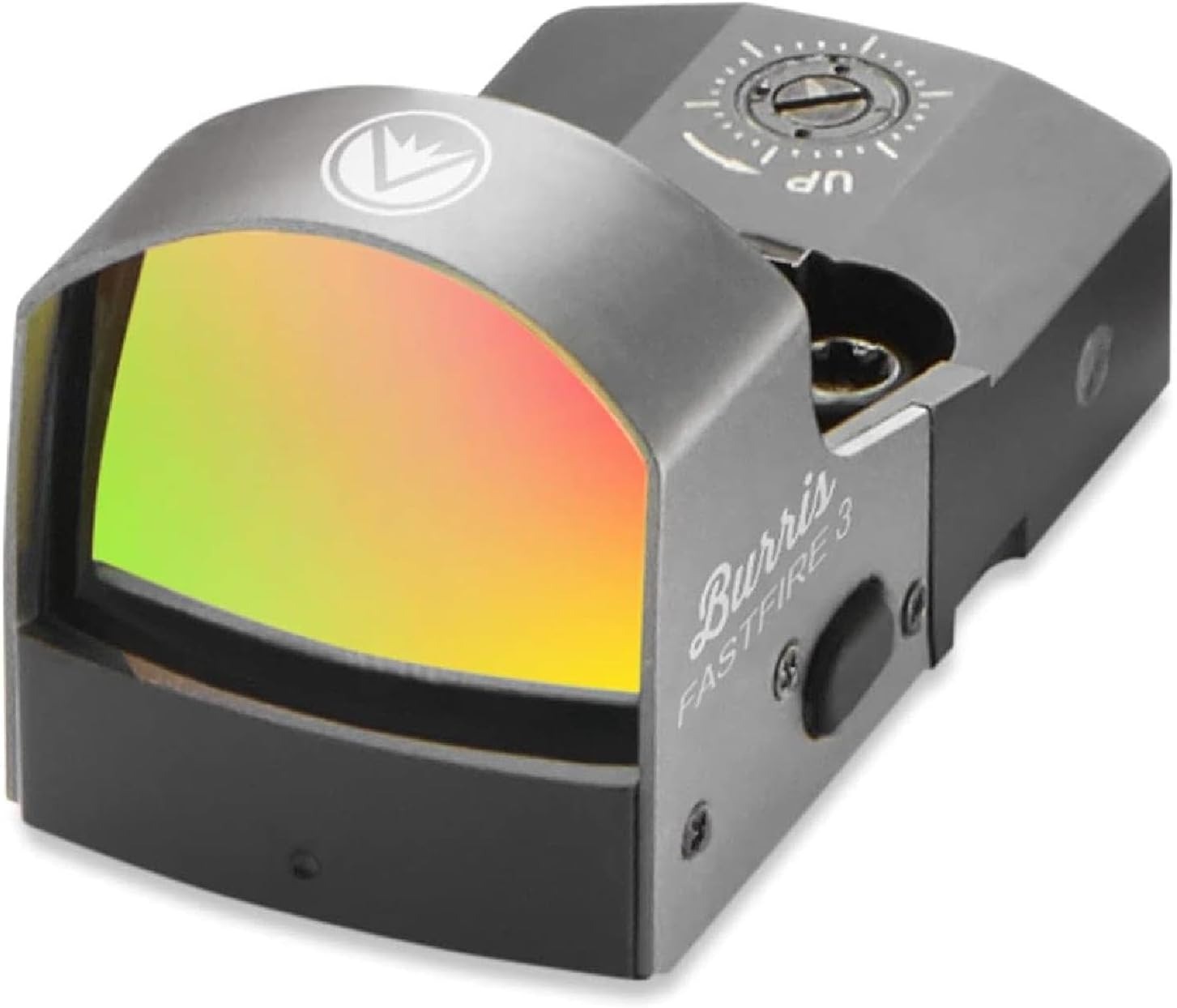
The FastFire 3 is one of the most commonly mounted optics on shotguns thanks to its lightweight design and simple interface.
Specs:
- 3 MOA dot
- Docter footprint
- CR1632 battery
- Automatic brightness
- Top-loading battery
Pros:
- Extremely lightweight for rib mounting
- Minimal deck height
- Affordable
Cons:
- Auto brightness can struggle in mixed lighting
- Open emitter prone to debris
My hands-on notes:
On the Beretta 680, this optic sits low enough for a natural cheek weld. Parallax shift is noticeable at extreme angles, but in real shotgun use (fast mount, center hit), it’s negligible. Co-witness isn’t relevant here, but alignment with the rib feels intuitive.
What people say online:
Users consistently praise how natural it feels on sporting clays guns. Some complaints focus on brightness lag during transitions.
Mounting clarity:
Direct mount to most shotgun rib plates using Docter footprint adapters—no complicated plate stacks.
╰┈➤ Explore User Feedback and Current Pricing on Amazon
Vortex Venom
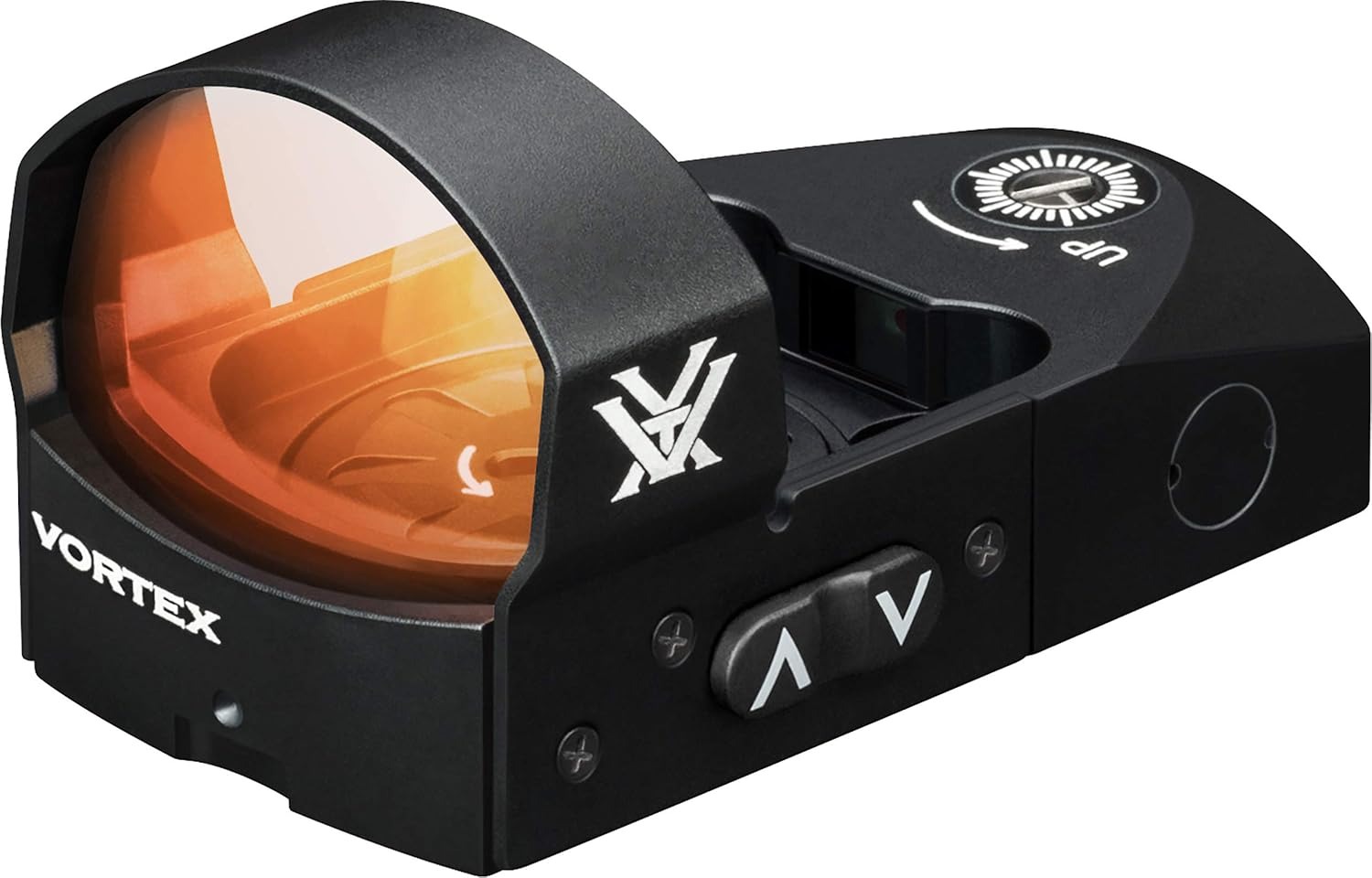
The Venom offers a larger window than the FastFire, making it easier to track fast-moving targets.
Specs:
- 3 MOA dot
- Docter footprint
- CR1632 battery
- Top-load battery
- Manual + auto brightness
Pros:
- Wide window improves target acquisition
- Easy battery access
- Strong warranty
Cons:
- Slight blue tint on lens
- Buttons can feel soft with gloves
My hands-on notes:
The larger window is immediately noticeable when swinging on clays. Parallax is well-controlled, though slight edge distortion appears near the frame. The deck height is still low enough to maintain natural alignment.
What people say online:
Shooters like the window size and reliability, though some mention tint affecting clarity in low light.
Mounting clarity:
Direct Docter footprint compatibility makes it one of the easiest installs for Beretta rib mounts.
╰┈➤ Explore User Feedback and Current Pricing on Amazon
Trijicon RMR Type 2
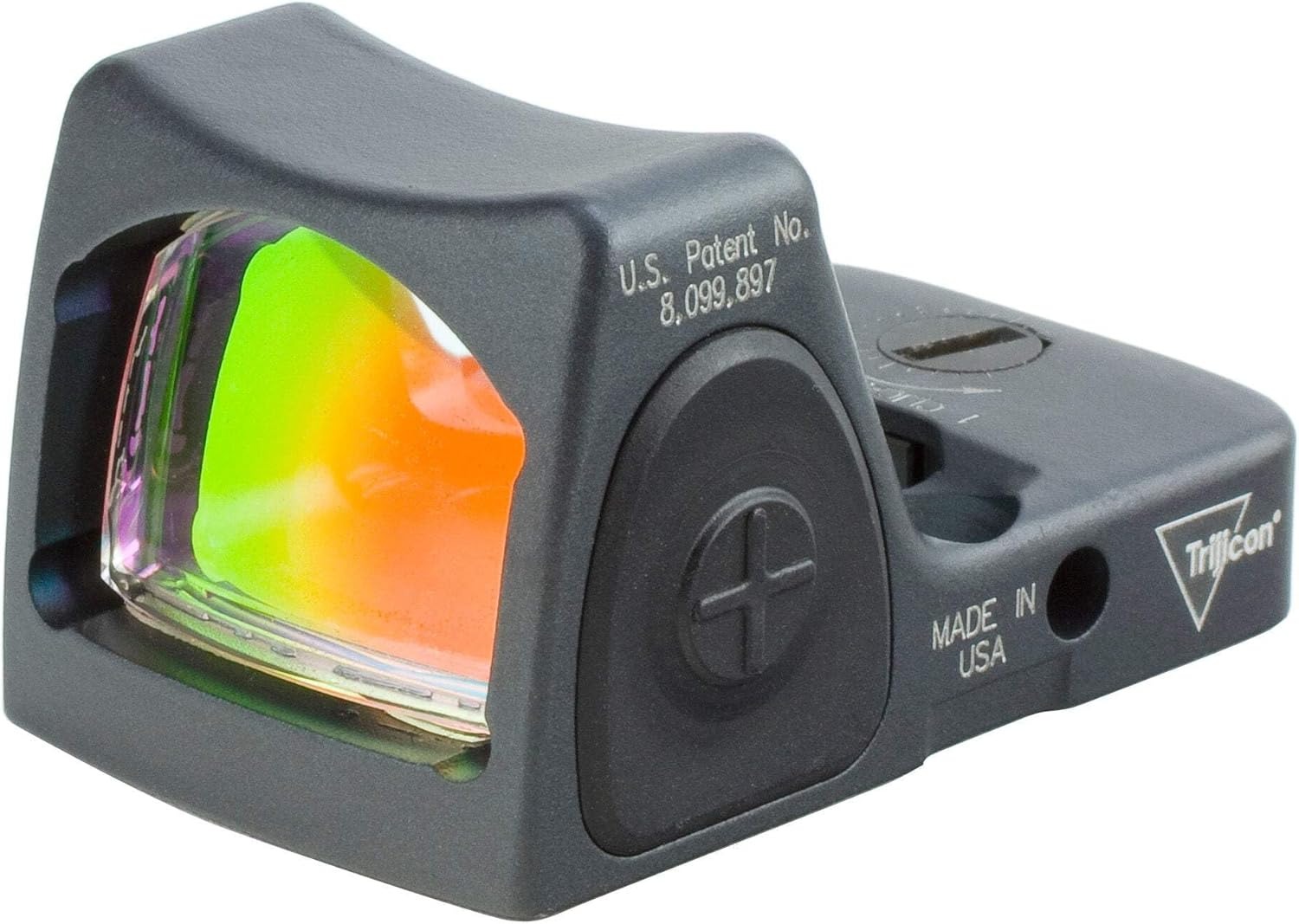
The RMR Type 2 is built for abuse, and it shows.
Specs:
- 3.25 MOA dot
- RMR footprint
- CR2032 battery
- Forged aluminum housing
- Adjustable brightness
Pros:
- Industry-leading durability
- Excellent recoil resistance
- Crisp emitter
Cons:
- Smaller window
- Bottom battery
My hands-on notes:
This optic handles shotgun recoil effortlessly. Parallax is minimal, and the dot remains stable even during rapid swings. The smaller window requires more discipline in mount consistency.
What people say online:
Widely regarded as bombproof. Some shotgun users prefer larger windows for clays.
Mounting clarity:
Requires RMR-compatible plate—slightly more involved than Docter options.
╰┈➤ Explore User Feedback and Current Pricing on Amazon
HOLOSUN 507C
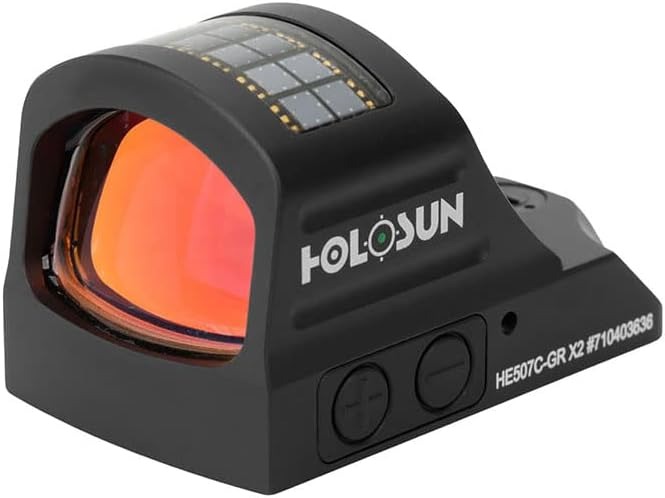
The 507C adds modern features like solar backup and multi-reticle options.
Specs:
- 2 MOA dot / 32 MOA circle
- RMR footprint
- CR1632 battery
- Solar assist
- Shake Awake
Pros:
- Flexible reticle system
- Long battery life
- Side battery tray
Cons:
- Slight emitter reflection in bright light
- Controls can be stiff
My hands-on notes:
The circle-dot reticle is excellent for shotgun use—it naturally frames targets. Parallax is well-controlled, and the window distortion is minimal. The side battery tray is a major usability win.
What people say online:
Highly popular for versatility. Some users mention slight glare at certain angles.
Mounting clarity:
RMR footprint—requires compatible rib adapter.
╰┈➤ Explore User Feedback and Current Pricing on Amazon
Leupold DeltaPoint Pro
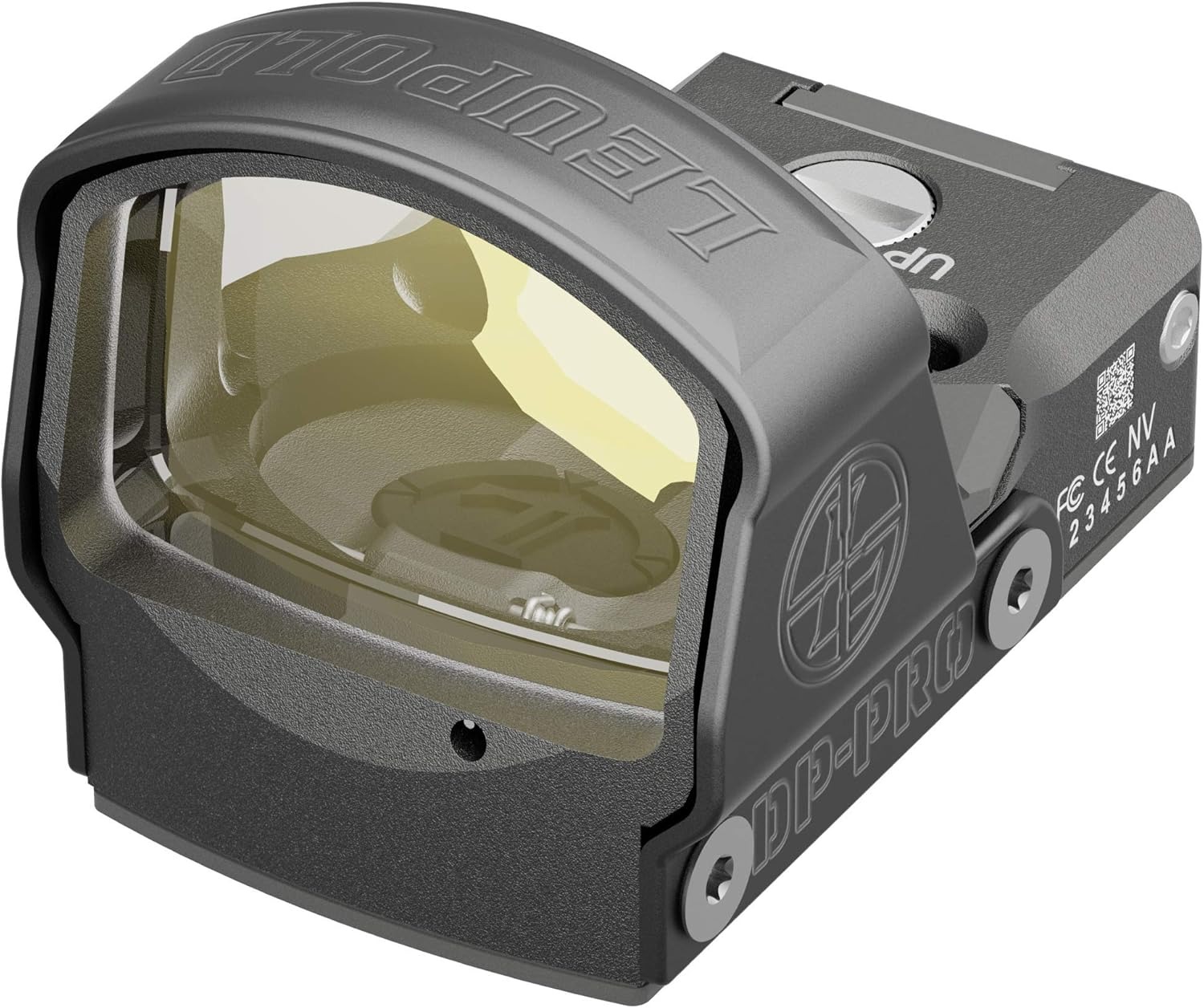
This optic stands out for its massive window and excellent glass clarity.
Specs:
- 2.5 MOA dot
- DPP footprint
- CR2032 battery
- Motion sensor
- Top-load battery
Pros:
- Largest window in class
- Exceptional glass quality
- Fast target acquisition
Cons:
- Higher deck height
- More expensive
My hands-on notes:
This is the fastest optic I’ve used on a shotgun. The window feels almost panoramic. Parallax is negligible in practical use. However, the higher deck height may require slight cheek weld adjustment.
What people say online:
Shooters love the window size and clarity, especially for sporting clays.
Mounting clarity:
Requires DPP-specific mount—less common but available.
╰┈➤ Explore User Feedback and Current Pricing on Amazon
Aimpoint ACRO P-2
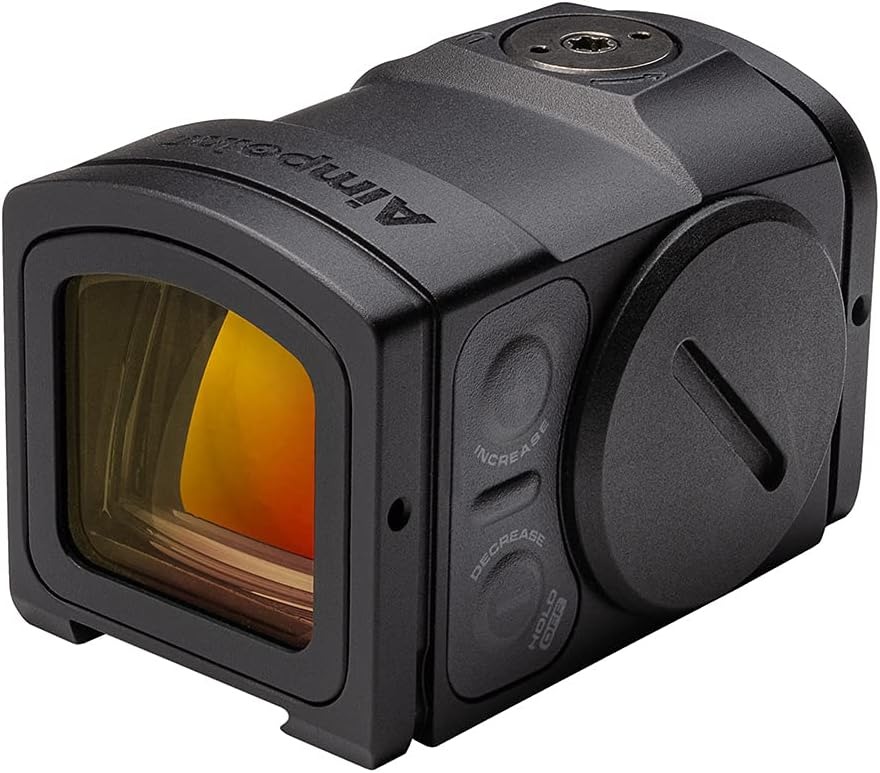
The ACRO P-2 is an enclosed emitter optic designed for extreme reliability.
Specs:
- 3.5 MOA dot
- ACRO footprint
- CR2032 battery
- Fully enclosed design
- 50,000-hour battery life
Pros:
- Completely sealed emitter
- Outstanding durability
- Long battery life
Cons:
- Heavier
- Narrower window feel
My hands-on notes:
This optic excels in harsh conditions—rain, dust, and debris don’t affect the emitter. Parallax is excellent, but the boxy design slightly restricts peripheral view. Still, it’s the most reliable option here.
What people say online:
Users love the reliability but note the tradeoff in window feel.
Mounting clarity:
Requires ACRO-specific plate—less common but very secure.
╰┈➤ Explore User Feedback and Current Pricing on Amazon
How I Tested / Evaluation Criteria
Parallax:
I evaluated parallax by shifting eye position during target acquisition. On shotguns, perfect parallax-free performance isn’t critical, but excessive shift can throw off instinctive shooting. The best optics here minimize shift within realistic shooting positions.
Co-witness / Deck Height:
Shotguns don’t use traditional co-witness, but deck height directly impacts cheek weld. Lower optics feel more natural, especially on a Beretta 680 rib.
Durability:
I focused on recoil impulse handling. Shotguns create a different recoil pattern than pistols, and weaker optics lose zero faster.
Battery:
Top-load or side-load batteries are strongly preferred. Removing optics to replace batteries disrupts zero.
Brightness Range:
I tested in bright sunlight and low-light environments. Shotgun optics must adapt quickly to changing lighting.
Glass Quality:
Lens tint, distortion, and clarity all matter. A slight blue or green tint can affect target visibility.
Controls Ergonomics:
Button feel with gloves is critical. Mushy buttons or hard presses slow adjustments.
Mounting Ecosystem:
Compatibility with rib mounts and adapter plates determines real-world usability.
How to Choose the Right Red Dot for This Gun
Choosing the right optic for a Beretta 680 isn’t the same as choosing one for a pistol or rifle. The platform demands speed, simplicity, and a natural point of aim above all else.
First, prioritize window size. A larger window helps you track targets without losing them during a swing. This is why optics like the DeltaPoint Pro and Venom perform so well.
Second, consider deck height. If the optic sits too high, your cheek weld becomes inconsistent. That leads to slower target acquisition and missed shots. Low-profile optics with Docter footprints are often the easiest solution.
Third, think about emitter design. Open emitters are lighter and more common, but they can collect debris. If you shoot in harsh environments, an enclosed optic like the ACRO P-2 makes sense.
Fourth, evaluate reticle type. A simple dot works, but circle-dot systems (like the Holosun 507C) can improve speed dramatically by framing the target.
Fifth, check mounting compatibility. The Beretta 680 requires a rib mount or adapter plate. Not all footprints are equally supported, so availability matters.
Finally, balance durability vs weight. Heavier optics can affect swing dynamics. Lightweight optics feel better on sporting guns, while heavier ones offer more ruggedness.
FAQs
1. Can you mount a red dot directly on a Beretta 680?
No, you need a rib mount adapter. Most optics attach via Docter or RMR footprint plates.
2. What dot size is best for shotguns?
3–6 MOA is ideal. Larger dots are faster to acquire during movement.
3. Are enclosed emitters worth it?
Yes, if you shoot in rain or dusty environments. Otherwise, open emitters are lighter and faster.
4. Does parallax matter on a shotgun optic?
Less than on rifles, but excessive parallax can still affect accuracy at distance.
5. What’s the best footprint for shotgun mounts?
Docter footprint is the most common for shotgun rib adapters.
Conclusion
Finding the Best Red Dot for Barretta 680 comes down to balancing speed, mounting simplicity, and real-world usability rather than just chasing specs.
If you want the fastest possible sight picture, go with the DeltaPoint Pro. If you need durability, the RMR or ACRO P-2 stand out. And if you want value with performance, the Venom and FastFire 3 remain excellent choices.
Ultimately, the right optic is the one that disappears when you mount the gun—letting you focus entirely on the target.