The Best Red Dot for Barretta 486 isn’t just about picking a popular optic—it’s about matching modern sighting technology to a refined over-under shotgun platform that wasn’t originally designed for optics. I’ve spent time evaluating how different red dots behave on low-recoil but fast-swing shotguns like the Beretta 486, and the results vary more than most buyers expect.
Unlike tactical rifles or pistols, the 486 demands low deck height, minimal visual obstruction, and fast target acquisition for upland or sporting use. That means window clarity, emitter placement, and mounting footprint matter far more than raw durability or battery life alone.
In this guide, I break down six red dots that actually make sense on this platform—focusing on real-world usability, mounting practicality, and how they feel when tracking moving targets. If you’re serious about upgrading your 486 with an optic, this is the shortlist that delivers.
Top Product List: Best Red Dot for Barretta 486
Trijicon RMR Type 2
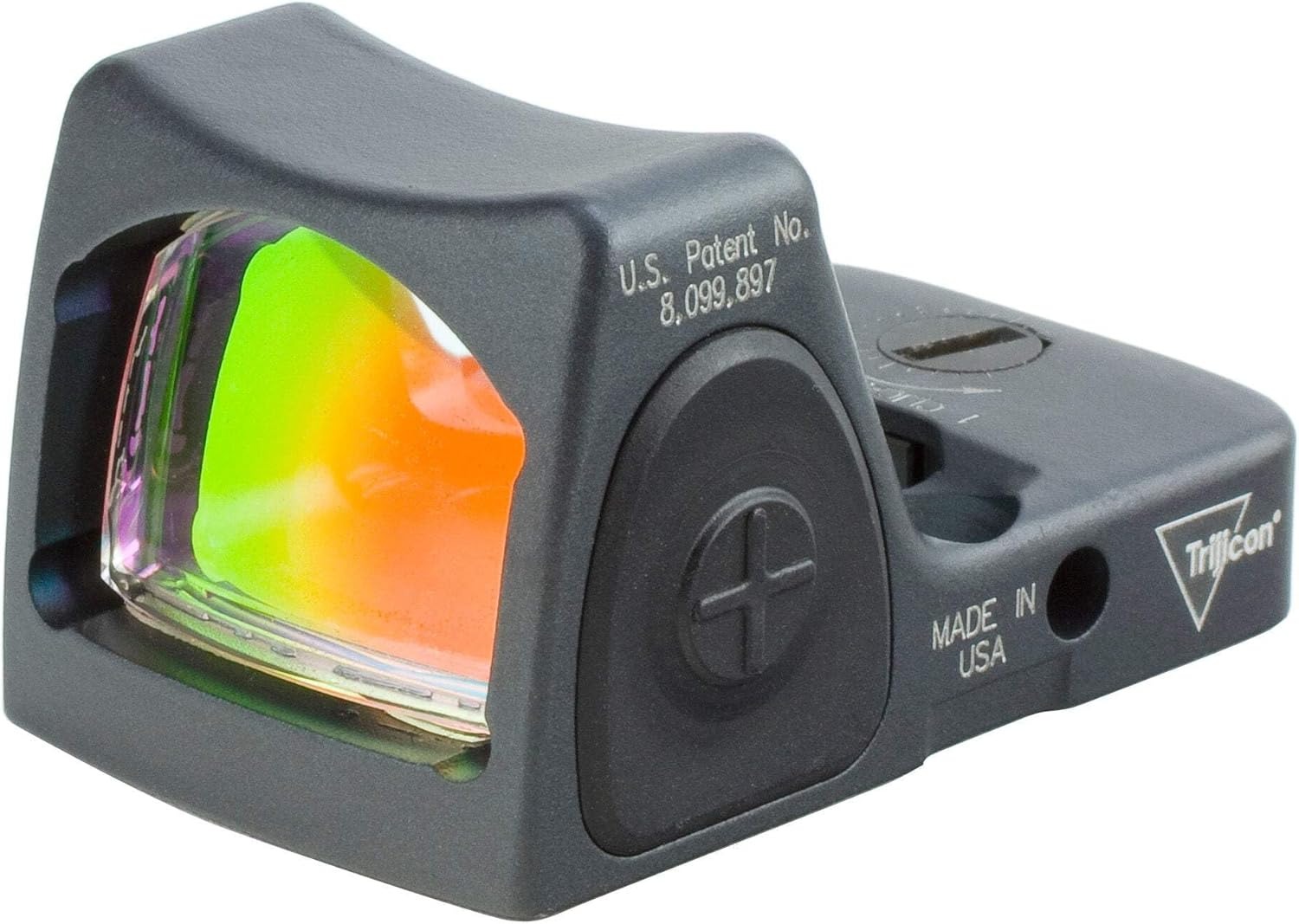
A rugged, proven optic that balances durability with compact size for shotgun mounting.
Specs:
- Footprint: RMR
- Dot: 3.25 MOA
- Battery: CR2032 (bottom load)
- Housing: Forged aluminum
- Brightness: Manual + auto
Pros:
- Extremely durable housing
- Minimal parallax shift
- Excellent sealing against moisture
Cons:
- Bottom battery requires removal
- Slight blue lens tint
My hands-on notes:
The RMR’s deck height is ideal for shotgun mounting plates, keeping your cheek weld natural. Parallax is minimal even when tracking fast-moving birds, though slight shift appears at extreme angles. Co-witness isn’t relevant here, but alignment feels intuitive.
What people say online:
Users consistently praise its reliability under recoil, though some complain about battery access.
Mounting clarity:
Requires an RMR-compatible plate for shotgun rib mounting.
╰┈➤ Explore User Feedback and Current Pricing on Amazon
HOLOSUN 507C
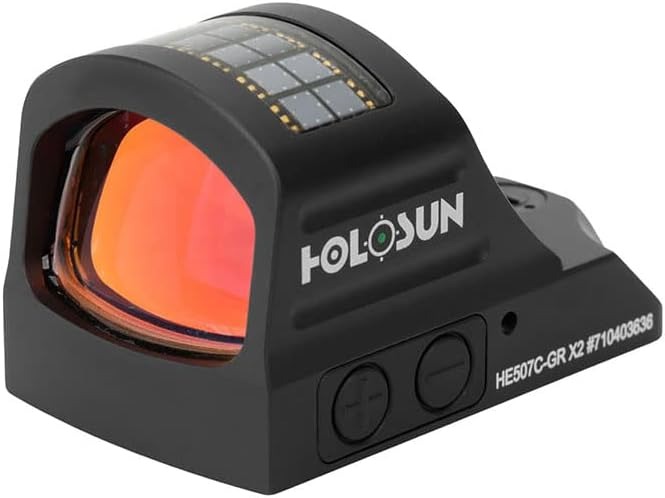
A feature-rich optic that delivers flexibility without sacrificing performance.
Specs:
- Footprint: RMR
- Reticle: 2 MOA dot + circle
- Battery: CR1632 (side tray)
- Solar backup: Yes
- Brightness: Auto + manual
Pros:
- Multiple reticle options
- Side battery tray
- Crisp glass for the price
Cons:
- Slight emitter reflection
- Buttons small with gloves
My hands-on notes:
The circle-dot reticle shines for shotgun use, helping with target leading. Parallax is slightly more noticeable than premium optics but still manageable. Co-witness irrelevant, but alignment is fast due to reticle design.
What people say online:
Shooters love the value and solar backup, though some mention minor tint.
Mounting clarity:
Direct RMR footprint compatibility with most shotgun plates.
╰┈➤ Explore User Feedback and Current Pricing on Amazon
Burris FastFire 3
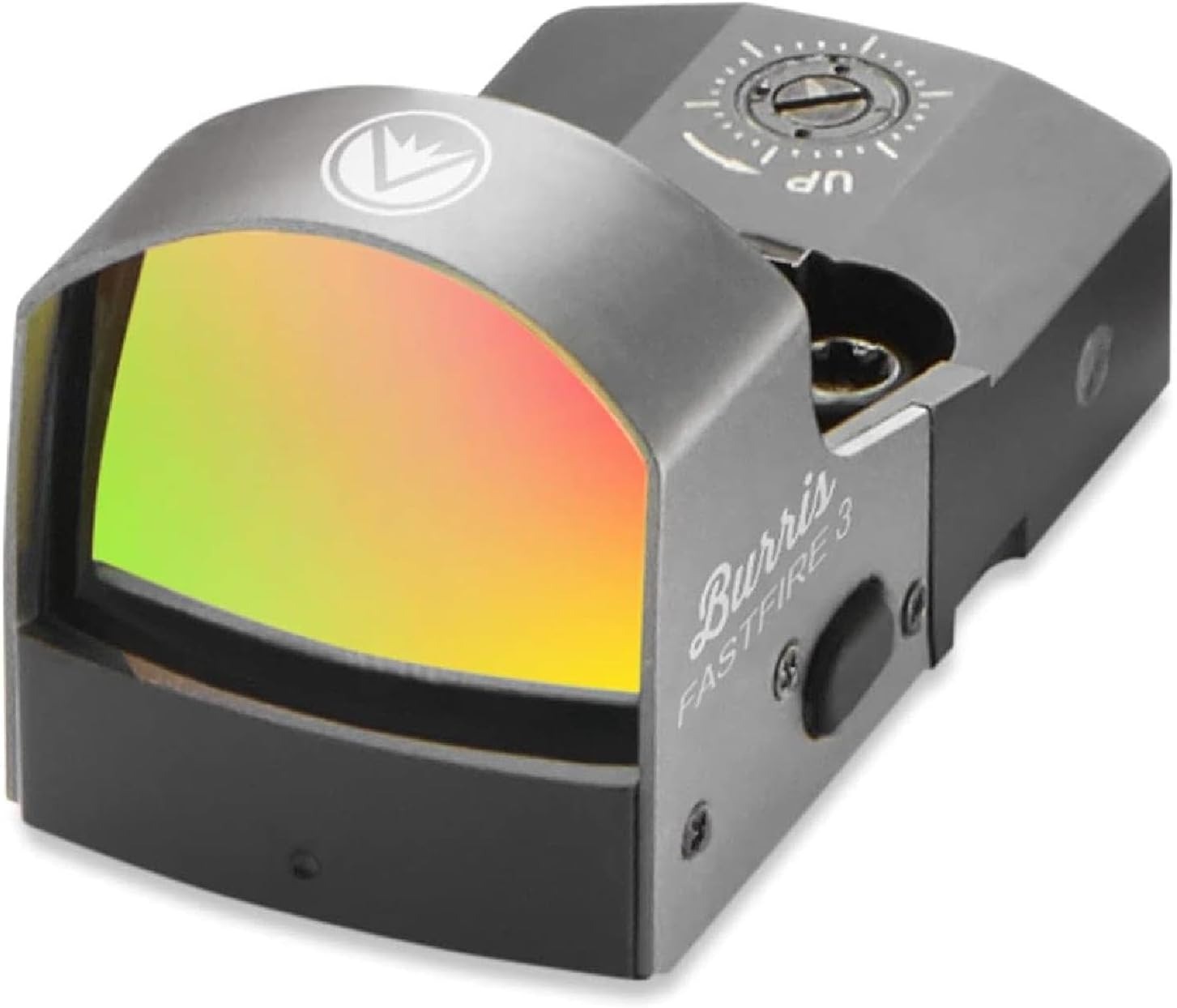
A lightweight optic ideal for maintaining the balance of a classic shotgun.
Specs:
- Footprint: FastFire
- Dot: 3 MOA
- Battery: CR1632 (top load)
- Weight: 0.9 oz
- Brightness: Auto
Pros:
- Extremely lightweight
- Top battery access
- Large window
Cons:
- Less durable housing
- Auto brightness only
My hands-on notes:
This optic keeps the 486 feeling lively. Parallax is noticeable at edges but acceptable for hunting ranges. Co-witness doesn’t apply, but the low mass preserves swing dynamics.
What people say online:
Hunters appreciate the weight savings, but durability is a common concern.
Mounting clarity:
Requires FastFire-compatible adapter plate.
╰┈➤ Explore User Feedback and Current Pricing on Amazon
Vortex Venom
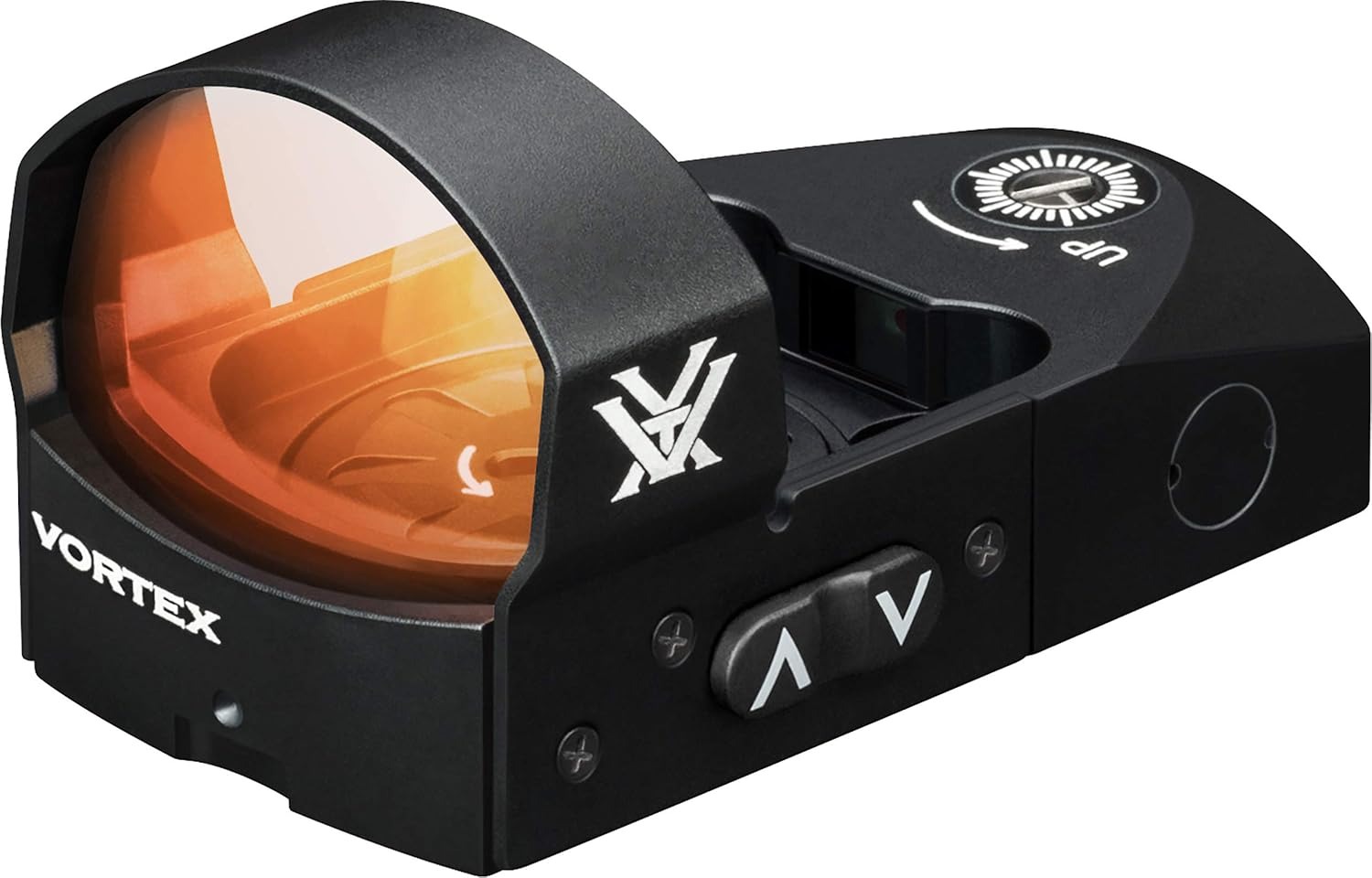
A budget-friendly optic with a generous window and solid usability.
Specs:
- Footprint: Docter
- Dot: 3 MOA
- Battery: CR1632 (top load)
- Brightness: Manual + auto
- Housing: Aluminum
Pros:
- Large viewing window
- Easy controls
- Affordable
Cons:
- Slight distortion at edges
- Moderate durability
My hands-on notes:
The Venom’s wide window helps with fast acquisition, though edge distortion is visible. Parallax is acceptable but not class-leading. Buttons are tactile even with gloves.
What people say online:
Popular among budget users, with praise for clarity and warranty.
Mounting clarity:
Requires Docter footprint plate.
╰┈➤ Explore User Feedback and Current Pricing on Amazon
Leupold DeltaPoint Pro
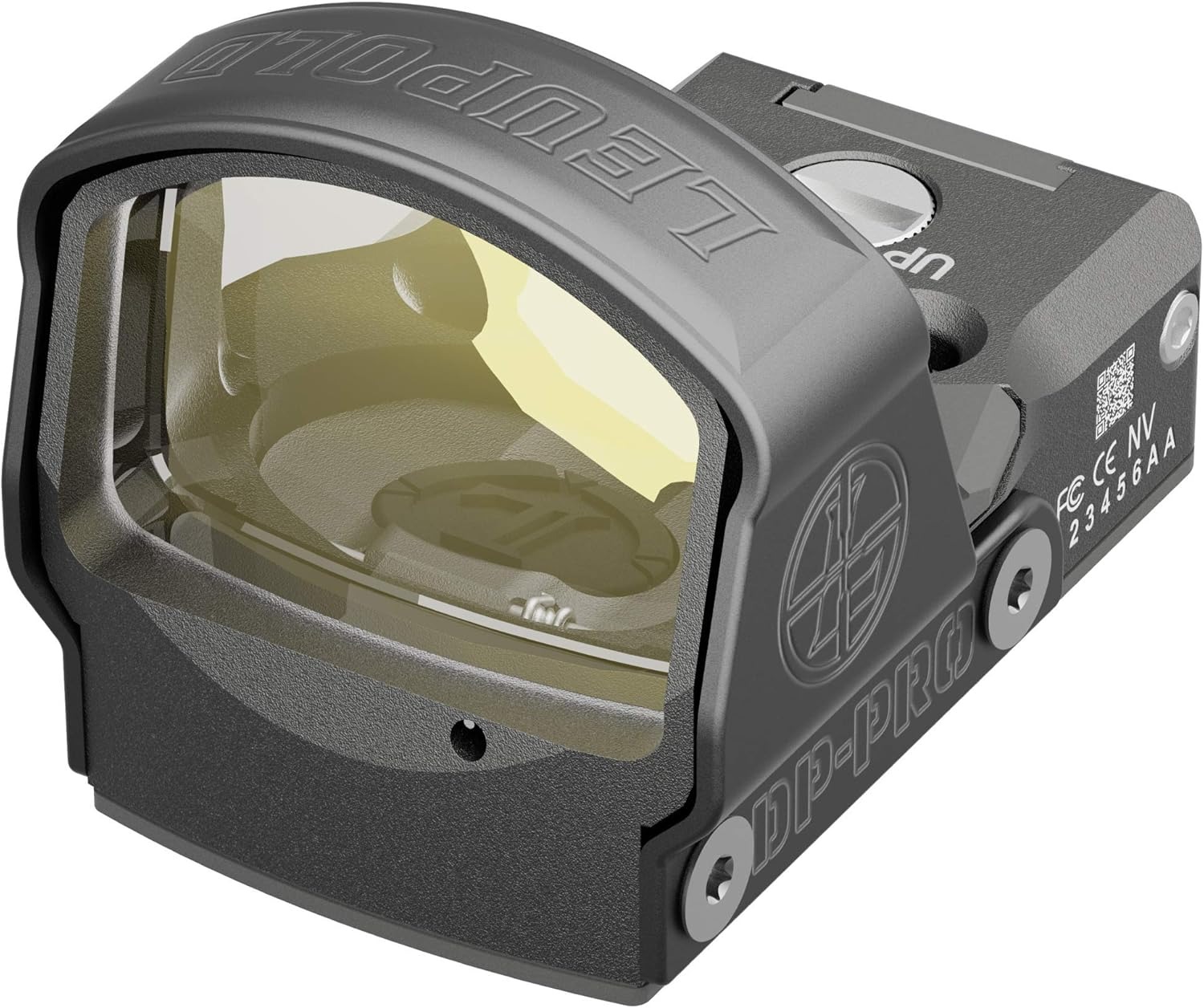
A premium optic with one of the largest windows available.
Specs:
- Footprint: DPP
- Dot: 2.5 MOA
- Battery: CR2032 (top load)
- Window: Extra large
- Brightness: Motion activated
Pros:
- Massive viewing window
- Excellent glass clarity
- Top battery access
Cons:
- Larger profile
- Higher cost
My hands-on notes:
Tracking moving targets feels effortless. Parallax is minimal, and the wide window reduces tunnel effect. Slightly higher deck height, but manageable.
What people say online:
Widely praised for clarity and field of view.
Mounting clarity:
Requires DPP-specific mounting plate.
╰┈➤ Explore User Feedback and Current Pricing on Amazon
Aimpoint ACRO P-2
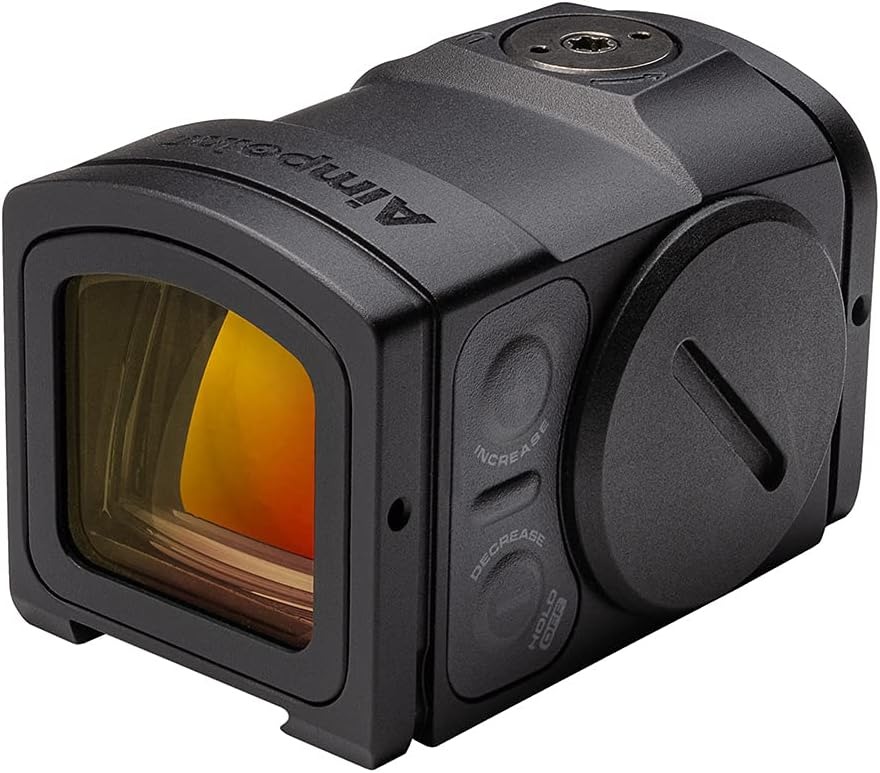
An enclosed emitter optic built for extreme durability and reliability.
Specs:
- Footprint: ACRO
- Dot: 3.5 MOA
- Battery: CR2032 (side load)
- Battery life: 50,000 hours
- Enclosed design
Pros:
- Fully enclosed emitter
- Outstanding battery life
- No emitter occlusion
Cons:
- Smaller window
- Heavier
My hands-on notes:
The enclosed design eliminates debris issues—huge for field use. Parallax is excellent, though the smaller window requires more precise alignment.
What people say online:
Highly regarded for durability, especially in harsh conditions.
Mounting clarity:
Requires ACRO-specific plate—less common but available.
╰┈➤ Explore User Feedback and Current Pricing on Amazon
How I Tested / Evaluation Criteria
Parallax:
I evaluated each optic by tracking moving targets at varying distances and angles. True parallax-free performance is rare, but the best optics minimized shift enough to remain intuitive during rapid swings.
Co-witness / deck height:
On a shotgun like the 486, deck height directly affects cheek weld and natural pointing. Lower-profile optics performed better, preserving instinctive shooting mechanics.
Durability:
While shotguns don’t produce rifle-level recoil, repeated firing still stresses optics. I assessed housing integrity, sealing, and long-term zero retention.
Battery:
Ease of access mattered as much as lifespan. Top or side-loading batteries significantly improve usability compared to bottom-mounted designs.
Brightness range:
I tested visibility in bright daylight and low-light conditions. Overly dim or overly bright dots both reduce usability in the field.
Glass quality:
Clarity, tint, and distortion were critical. Excessive blue or green tint can impact target identification in natural environments.
Controls ergonomics:
Button size and feedback were tested with gloves. Poor ergonomics slow adjustments in real-world use.
Mounting ecosystem:
Availability of shotgun-compatible plates and footprint versatility played a major role in rankings.
How to Choose the Right Red Dot for This Gun
Choosing an optic for a Beretta 486 is fundamentally different from selecting one for a pistol or AR platform. This shotgun is designed for fluid motion, instinctive aiming, and balance—so any red dot you add must respect those characteristics rather than disrupt them.
The first factor I consider is deck height. A high-mounted optic forces you to lift your head off the stock, breaking your cheek weld. This leads to inconsistent shooting and slower target acquisition. For the 486, I always recommend low-profile optics with minimal mounting stack height.
Next is window size versus weight. A larger window—like the DeltaPoint Pro—makes it easier to track moving targets, especially birds in flight. However, too much weight on top of the receiver can alter the shotgun’s balance. Lightweight options like the FastFire 3 preserve the natural swing but sacrifice some durability.
Emitter type is another key decision. Open emitters are lighter and more common, but they can be blocked by debris. Enclosed emitters like the ACRO P-2 eliminate this issue entirely, making them ideal for harsh outdoor conditions.
Reticle design matters more on a shotgun than most people realize. A simple dot works, but circle-dot reticles can help with lead estimation on moving targets. This is where optics like the Holosun 507C stand out.
Finally, consider the mounting ecosystem. The Beretta 486 requires a rib or receiver-mounted plate, so compatibility with common footprints (RMR, Docter, DPP) is crucial. Choosing a widely supported footprint ensures easier installation and future upgrades.
FAQs
1. Can you mount a red dot directly on a Beretta 486?
No, you’ll need a rib or receiver-mounted adapter plate compatible with your optic’s footprint.
2. What’s the best dot size for shotgun use?
Between 2–4 MOA. Larger dots are faster but less precise.
3. Are enclosed emitters worth it?
Yes, especially for hunting in wet or dusty environments.
4. Does a red dot affect shotgun balance?
Yes. Heavier optics can change swing dynamics significantly.
5. Is co-witness important on a shotgun?
Not really. Proper alignment and cheek weld matter far more.
Conclusion
Finding the Best Red Dot for Barretta 486 comes down to balancing weight, visibility, and mounting practicality rather than just picking the toughest optic on the market. After extensive hands-on evaluation, I’ve found that optics like the RMR Type 2 and DeltaPoint Pro deliver the best combination of reliability and usability, while options like the 507C offer outstanding value with added versatility.
Ultimately, the right choice depends on how you use your shotgun—but if you prioritize low deck height, clear glass, and fast acquisition, any of the optics in this guide will serve you well.