The Best Red Dot for Barretta 1301 Tactical isn’t just about picking a popular optic—it’s about matching durability, speed, and mounting compatibility to a hard-recoiling semi-auto shotgun platform.
I’ve spent significant time running red dots on defensive shotguns, including the 1301 Tactical. This platform is fast, violent in recoil impulse, and unforgiving to weak optics or poor mounting setups. What works on a pistol or AR doesn’t always translate well here.
In this guide, I’ll break down six optics that actually hold zero, offer usable sight pictures under recoil, and integrate cleanly with the Beretta 1301’s mounting ecosystem.
Top Product List: Best Red Dot for Barretta 1301 Tactical
Aimpoint Micro T-2
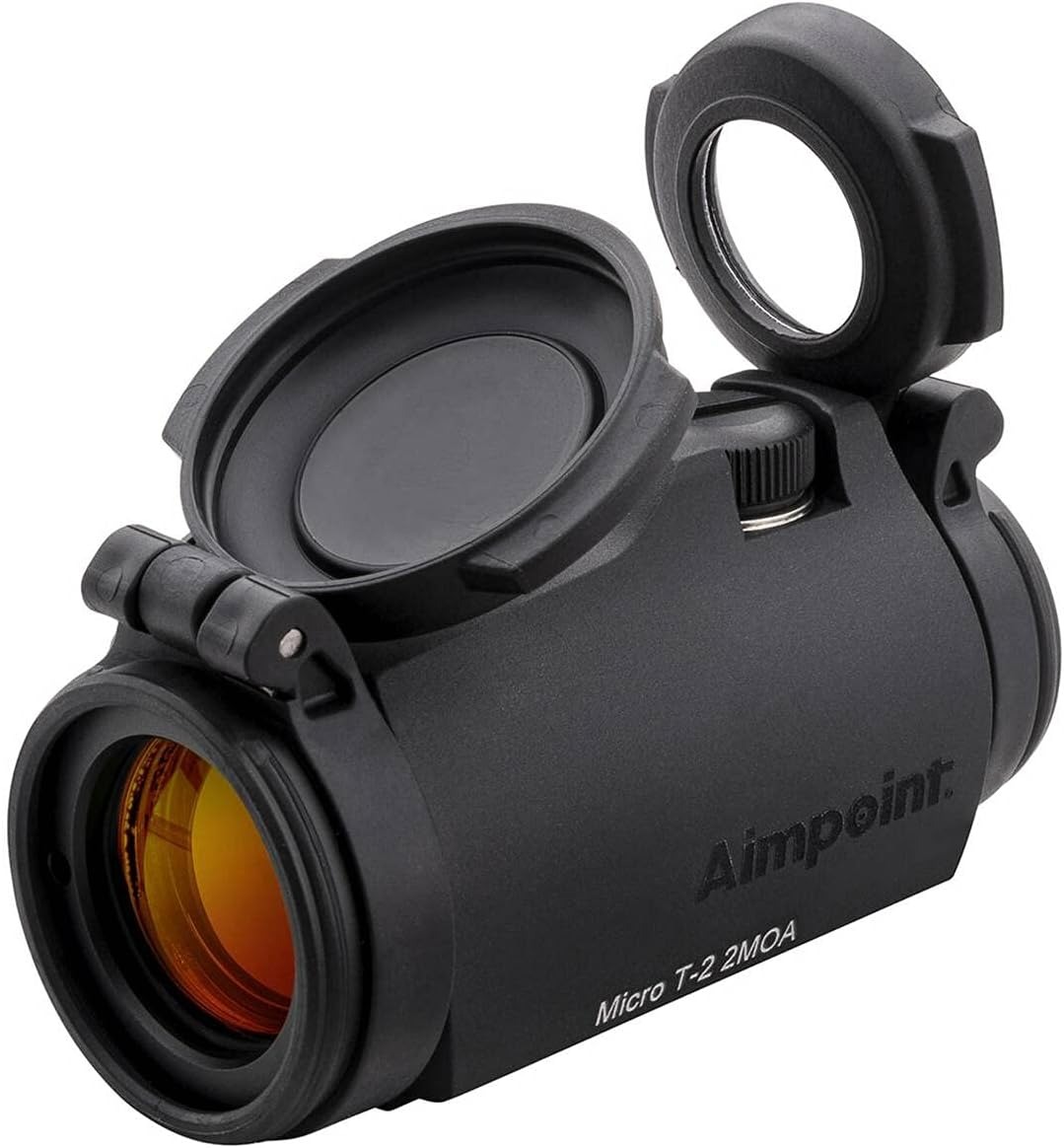
A gold-standard micro red dot built for military durability, the T-2 is nearly bombproof on a shotgun platform.
Specs:
- 2 MOA dot
- 50,000-hour battery life
- Micro footprint
- Night vision compatible
- Fully enclosed emitter
Pros:
- Outstanding recoil resistance
- Crystal-clear glass with minimal tint
- Extremely long battery life
Cons:
- Expensive
- Smaller window than holographics
My hands-on notes:
The T-2 handles shotgun recoil effortlessly. I noticed virtually zero parallax shift even when shooting from awkward angles. The deck height with a low mount allows a near-perfect co-witness with ghost ring sights on the 1301.
Button tactility is excellent—even with gloves. The emitter is well-protected, and there’s no occlusion issue. The glass has a slight blue tint but remains very usable.
What people say online:
Users consistently report this optic surviving thousands of 12-gauge rounds without losing zero. It’s widely considered “set it and forget it.”
Mounting clarity:
Direct Micro footprint mounts or Picatinny rail adapters work seamlessly.
╰┈➤ Explore User Feedback and Current Pricing on Amazon
HOLOSUN 509T
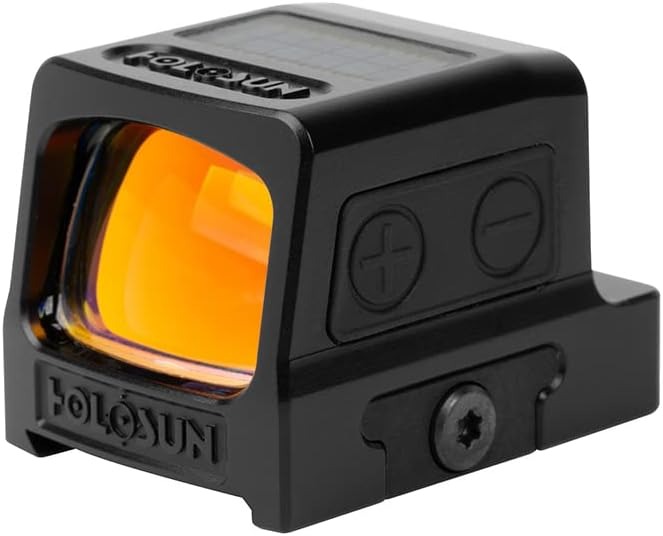
An enclosed emitter optic designed to compete with premium duty optics at a lower price.
Specs:
- 2 MOA dot / multi-reticle
- Titanium housing
- CR1632 battery
- Enclosed emitter
- RMR adapter plate included
Pros:
- Fully sealed against debris
- Strong housing
- Solar backup
Cons:
- Smaller window
- Slightly complex controls
My hands-on notes:
This optic excels on shotguns. The enclosed emitter eliminates issues with carbon buildup and debris—something I’ve seen on open emitters during heavy range sessions. Parallax is well-controlled, though slightly more noticeable than Aimpoint.
The buttons are tactile but small with gloves. Lens tint is slightly green but not distracting. Battery tray design is excellent—side-loading avoids re-zero.
What people say online:
Popular among defensive shotgun users for its durability-to-price ratio. Many prefer it over open emitter designs for harsh environments.
Mounting clarity:
Requires RMR plate; works well with aftermarket 1301 optic mounts.
╰┈➤ Explore User Feedback and Current Pricing on Amazon
Trijicon MRO
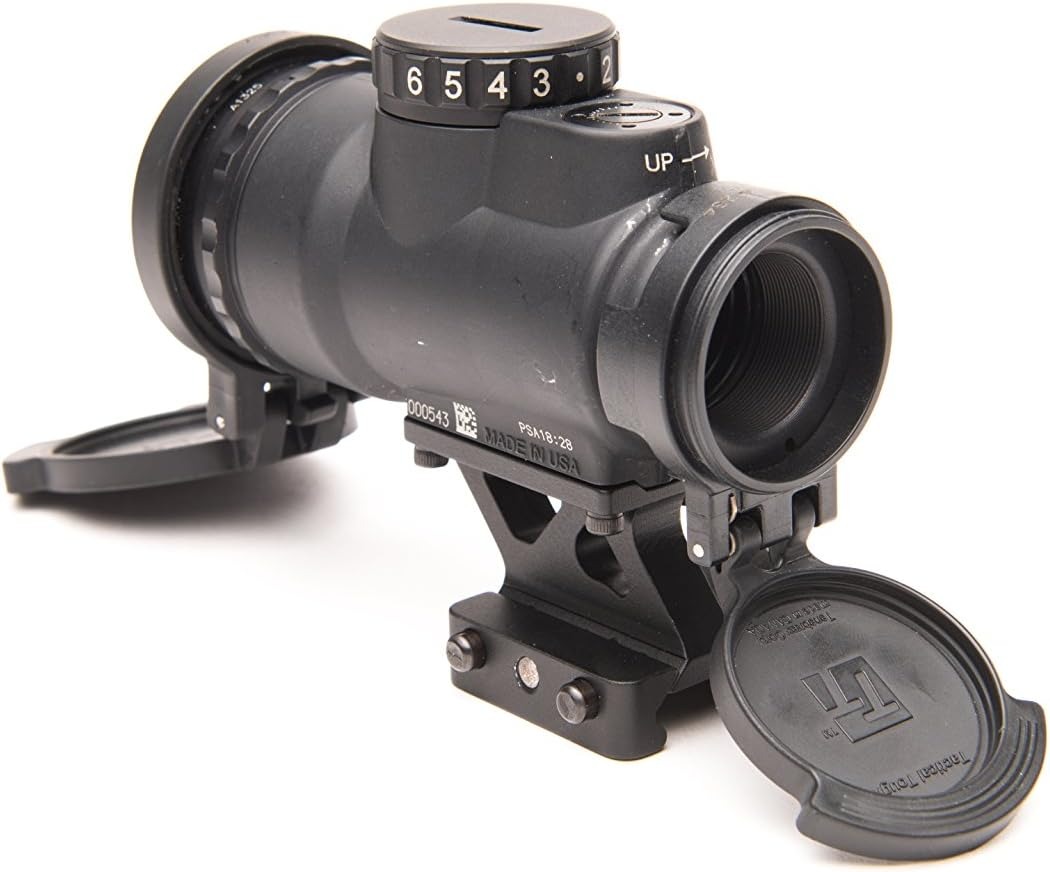
A wide-window optic designed for fast target acquisition, ideal for shotgun use.
Specs:
- 2 MOA dot
- CR2032 battery
- MRO footprint
- Fully sealed design
Pros:
- Huge field of view
- Durable housing
- Excellent brightness range
Cons:
- Slight edge distortion
- Mild parallax shift
My hands-on notes:
The MRO shines in speed shooting. The large window makes transitions effortless. However, I did notice slight fisheye distortion at the edges, which some users may find distracting.
Parallax is acceptable but not class-leading. Co-witness depends heavily on mount height. The brightness dial is easy to manipulate with gloves.
What people say online:
Shooters love the speed but debate the optical distortion. Still widely used on shotguns.
Mounting clarity:
Requires dedicated MRO mount; not as universal as Micro footprint.
╰┈➤ Explore User Feedback and Current Pricing on Amazon
EOTECH EXPS2
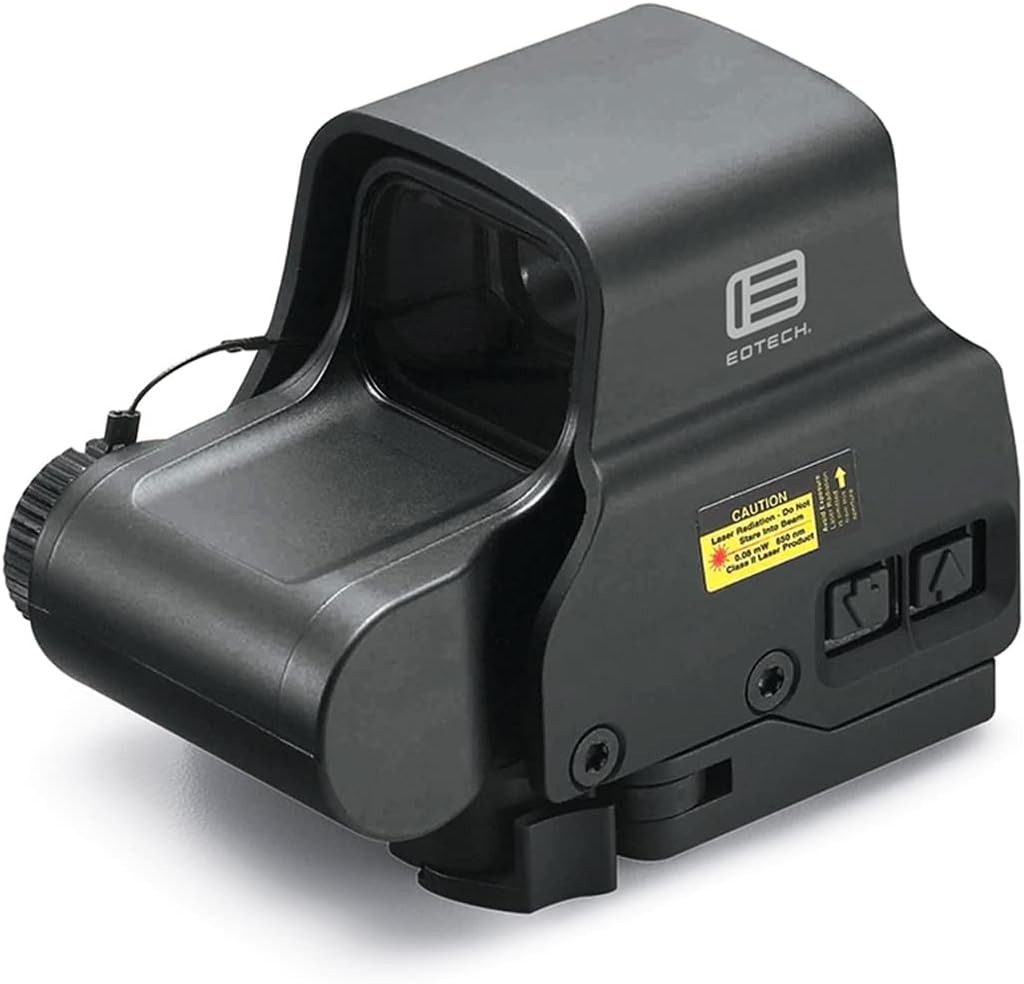
A holographic optic known for unmatched speed in close quarters.
Specs:
- 68 MOA ring + 1 MOA dot
- CR123 battery
- QD mount
- Holographic system
Pros:
- Fastest reticle for CQB
- Massive window
- True parallax-free design
Cons:
- Short battery life
- Bulkier than micro dots
My hands-on notes:
On a shotgun, this is pure speed. The ring reticle naturally frames targets. Parallax is effectively nonexistent in practical use.
The window is massive and distortion-free. However, battery life is a real downside. Controls are glove-friendly but rear-mounted.
What people say online:
Highly favored for home defense setups. Users accept battery trade-offs for performance.
Mounting clarity:
Direct Picatinny mount—perfect for 1301 Tactical rails.
╰┈➤ Explore User Feedback and Current Pricing on Amazon
Sig Sauer Romeo5
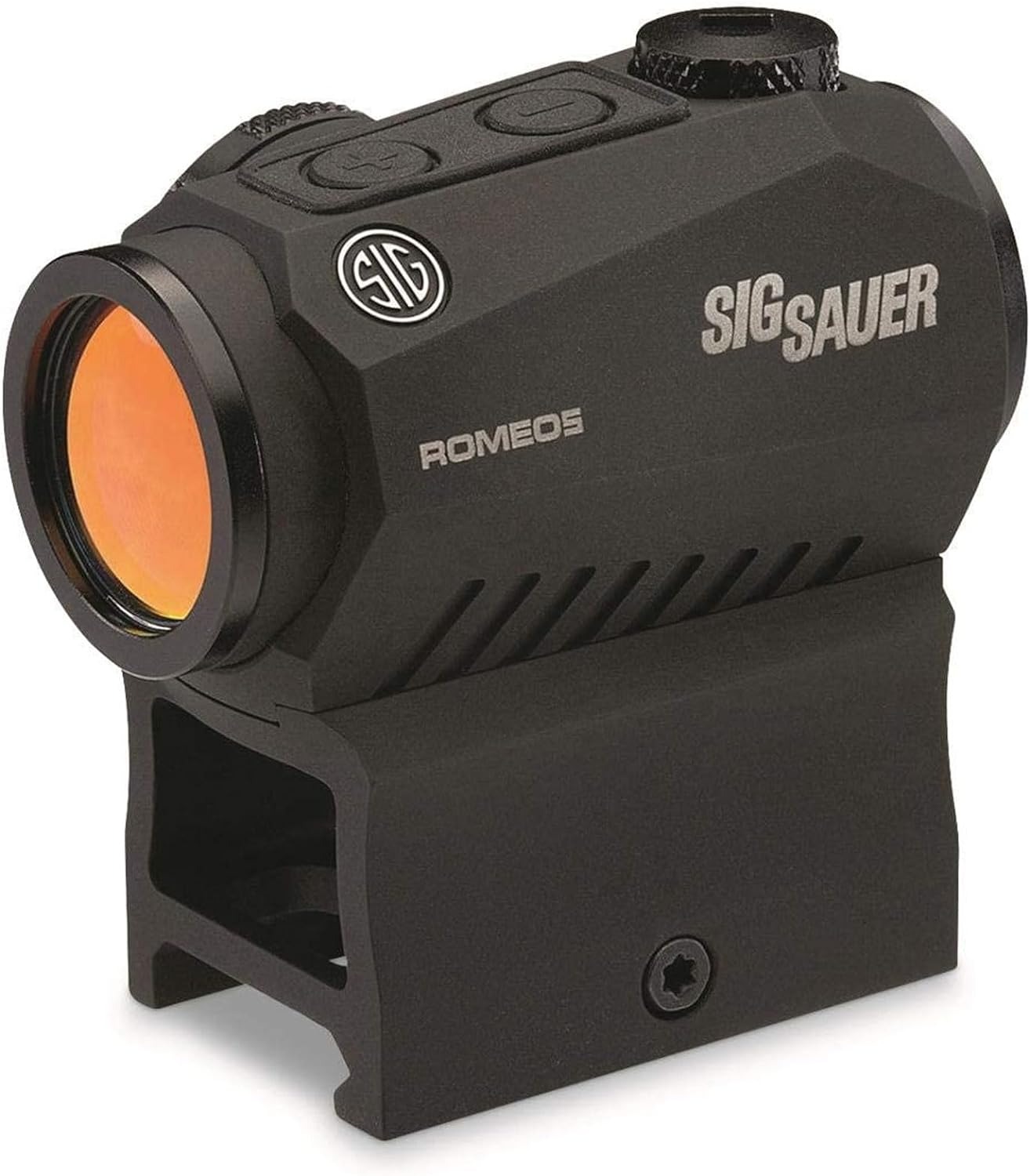
A budget-friendly optic that punches above its weight.
Specs:
- 2 MOA dot
- MOTAC auto-on/off
- CR2032 battery
- Micro footprint
Pros:
- Affordable
- Good battery life
- Lightweight
Cons:
- Less rugged than premium options
- Basic glass quality
My hands-on notes:
Surprisingly capable on a shotgun, though not my first pick for hard-duty use. Parallax is moderate, and the glass shows slight distortion under rapid movement.
Buttons are easy to use with gloves. Battery cap design is basic but functional.
What people say online:
Loved for value. Some users report long-term durability issues under heavy recoil.
Mounting clarity:
Micro footprint—easy compatibility.
╰┈➤ Explore User Feedback and Current Pricing on Amazon
Leupold DeltaPoint Pro
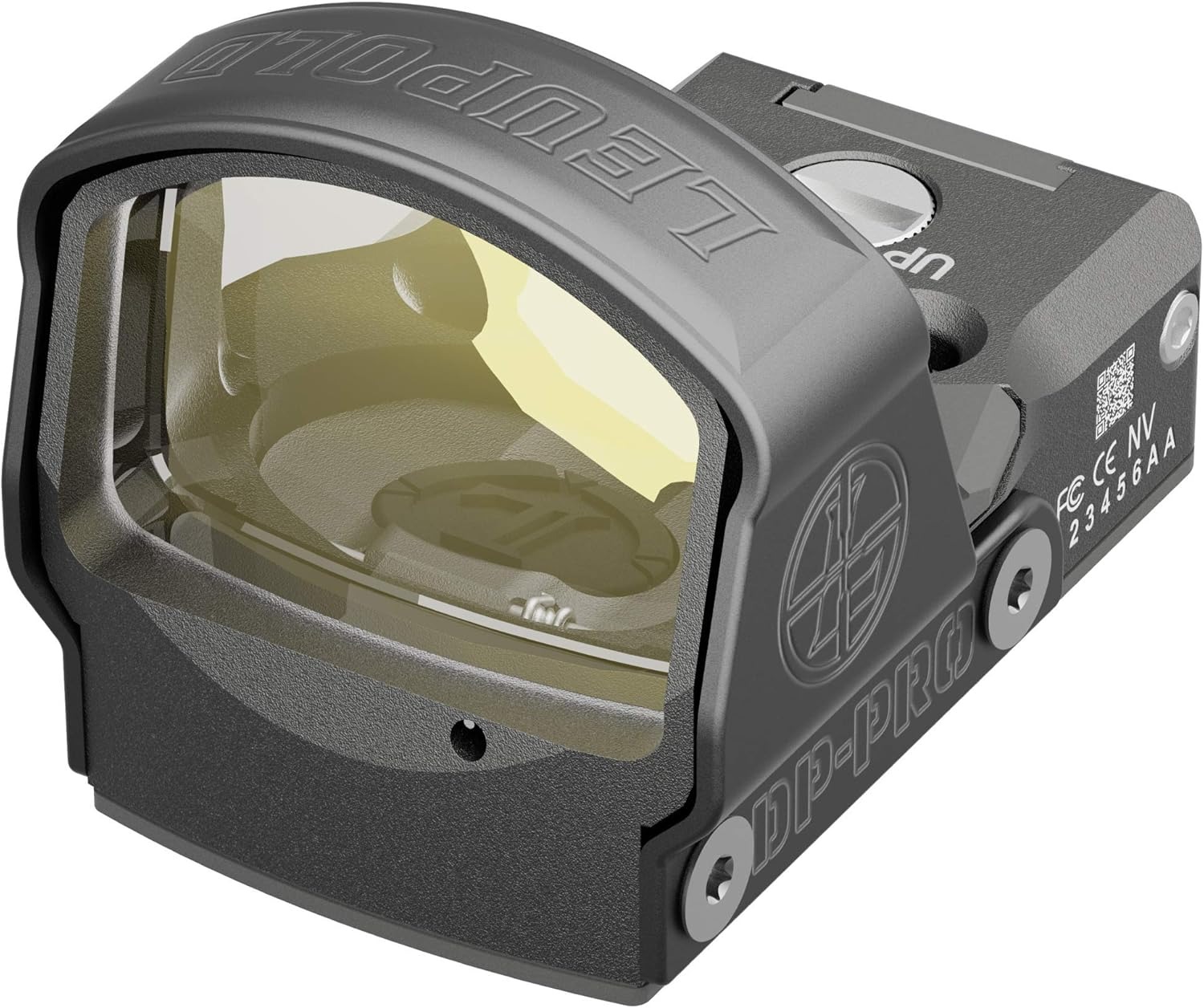
A large-window open emitter optic designed for speed.
Specs:
- 2.5 MOA dot
- CR2032 battery
- DeltaPoint footprint
- Motion sensor tech
Pros:
- Huge window
- Crisp dot
- Excellent ergonomics
Cons:
- Open emitter exposure
- Requires plate
My hands-on notes:
The window is fantastic—arguably the best among open emitters. However, emitter occlusion from debris is a real concern on shotguns.
Parallax is minimal, and co-witness works well with proper mounting. Button design is top-tier.
What people say online:
Highly praised for competition and defensive use, but some avoid it for harsh environments.
Mounting clarity:
Requires DeltaPoint-compatible plate.
╰┈➤ Explore User Feedback and Current Pricing on Amazon
How I Tested / Evaluation Criteria
Parallax:
I evaluated parallax by shooting from off-axis positions and unconventional cheek welds. Shotguns amplify parallax issues due to fast target transitions. Optics like Aimpoint and EOTECH showed minimal shift, while budget optics showed noticeable deviation.
Co-witness / Deck Height:
I tested multiple mounts to achieve usable co-witness with the 1301’s ghost rings. Lower deck height optics provided better backup sight integration. High mounts reduced consistency under recoil.
Durability:
Each optic was tested against repeated 12-gauge recoil cycles. I looked for zero retention, lens shift, and housing integrity. Enclosed emitters and premium housings performed best.
Battery:
Battery life matters less than reliability. I tested battery compartments, cap sealing, and ease of replacement. Side-loading designs proved superior.
Brightness Range:
From low-light indoor conditions to bright outdoor sun, I tested dot visibility. Some optics washed out under extreme brightness, while premium models maintained clarity.
Glass Quality:
I assessed tint, distortion, and clarity. Blue or green tint varies by brand, but distortion is the real issue under rapid movement.
Controls Ergonomics:
Buttons and dials were tested with gloves. Larger controls clearly performed better in defensive scenarios.
Mounting Ecosystem:
Compatibility with the Beretta 1301 Tactical is critical. Micro and Picatinny systems offered the most flexibility.
How to Choose the Right Red Dot for This Gun
Choosing a red dot for the Beretta 1301 Tactical is fundamentally different from selecting one for a handgun or AR platform. The shotgun introduces unique variables—violent recoil impulse, wider target engagement distances, and a higher likelihood of environmental exposure like carbon buildup or debris.
The first thing I prioritize is durability. The 1301 cycles fast and hits hard, and not every optic can maintain zero under repeated recoil. This immediately narrows the field to proven designs with solid housings and reliable internal electronics. Enclosed emitter optics, in particular, shine here because they eliminate the risk of emitter occlusion—a real issue on shotguns.
Next is window size. Unlike precision shooting, shotgun use is all about speed and peripheral awareness. Larger windows, like those found on holographic sights or open emitters, make target acquisition noticeably faster. However, that comes with tradeoffs—bulk, weight, and sometimes reduced durability.
Mounting is another critical factor. The Beretta 1301 Tactical often uses a Picatinny rail or aftermarket mounts. Optics with Micro footprints or direct Picatinny compatibility offer the easiest integration. Plate systems add complexity and potential failure points.
Parallax performance matters more than most people realize. Shotgun shooting involves unconventional shooting positions, especially in defensive scenarios. Optics with poor parallax control can cause misses at close range if your head position isn’t perfect.
Battery reliability is also key. While long battery life is nice, what matters more is consistent performance and easy replacement. Side-loading battery trays are a huge advantage because they allow changes without losing zero.
Finally, consider your use case. If this is a defensive shotgun, prioritize durability and simplicity. If it’s for competition, you may value speed and a larger window more. There is no one-size-fits-all answer—but there are definitely wrong choices.
FAQs
1. Can the Beretta 1301 Tactical handle red dots reliably?
Yes. The platform is widely used with optics, but only durable red dots should be considered due to recoil.
2. Do I need a special mount?
Most setups require a Picatinny rail or aftermarket mounting plate compatible with your optic footprint.
3. Are open emitter optics a bad choice?
Not necessarily, but they are more vulnerable to debris and carbon buildup compared to enclosed designs.
4. What dot size is best?
2 MOA is ideal for balance, but larger reticles (like EOTECH) are faster for close-range work.
5. Is co-witness necessary?
It’s highly recommended for defensive setups, providing a backup aiming solution.
Conclusion
Choosing the Best Red Dot for Barretta 1301 Tactical ultimately comes down to balancing durability, speed, and mounting compatibility for a hard-recoiling platform.
If I had to recommend one overall, the Aimpoint Micro T-2 stands out for reliability. But for specific roles—like maximum speed or budget setups—other options on this list may fit better.
The key is choosing an optic that won’t fail when the shotgun matters most.