The Best Red Dot for Barretta 1301 Comp isn’t just about picking a popular optic—it’s about choosing something that can survive brutal recoil, track fast targets, and maintain zero under hard use. I’ve spent extensive time running optics on semi-auto shotguns, and the 1301 Comp is especially demanding due to its fast cycling system and sharp recoil impulse.
Unlike AR platforms, shotguns punish weak optics. Mounting height, window size, and durability matter far more here. You also need to consider how the optic interacts with your cheek weld and whether you can maintain a consistent co-witness (or at least a repeatable sight picture).
In this guide, I break down six proven optics that actually hold up on the Beretta 1301 Comp. I’ll walk through real-world performance, mounting considerations, and the subtle tradeoffs most reviews miss.
Top Product List: Best Red Dot for Barretta 1301 Comp
Aimpoint Micro T-2
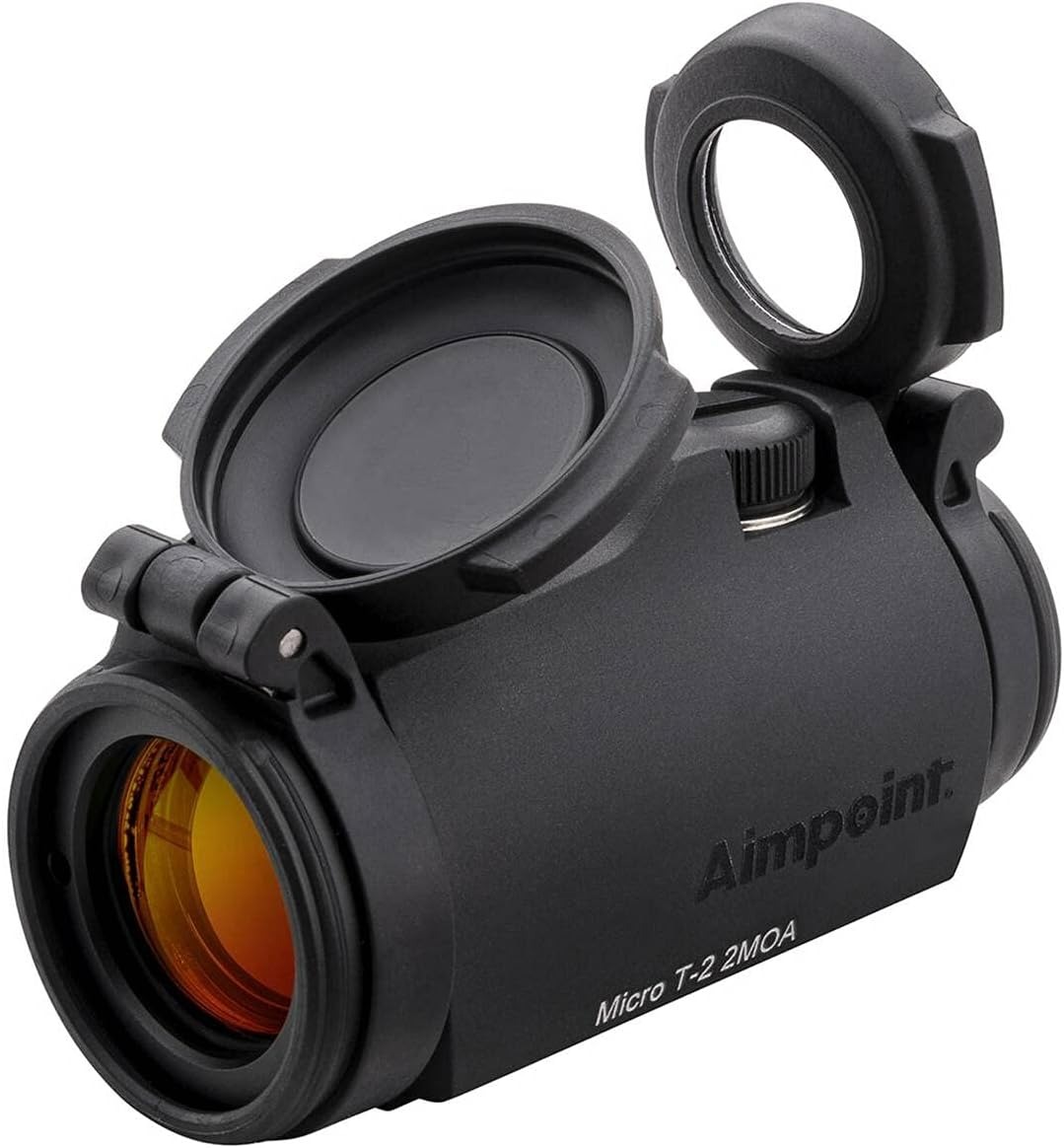
A compact, bombproof optic that excels in duty and defensive roles where reliability is non-negotiable.
Specs
- 2 MOA dot
- CR2032 battery (50,000 hours)
- Micro footprint
- Fully sealed emitter
Pros
- Exceptional durability under recoil
- Crisp dot with minimal bloom
- Excellent battery life
Cons
- Small window
- Expensive
My Hands-On Notes
On the 1301, the T-2 handles recoil effortlessly. I noticed virtually zero parallax shift inside 25 yards, which is critical for shotgun use. The deck height depends on your mount, but with a low mount, you get a natural cheek weld. Co-witness isn’t typical, but alignment is consistent.
What People Say Online
Users consistently praise its reliability—especially in harsh environments. Many report years of use without losing zero.
Mounting Clarity
Requires a Picatinny mount. Works best with a low-profile shotgun mount.
╰┈➤ Explore User Feedback and Current Pricing on Amazon
Holosun 509T
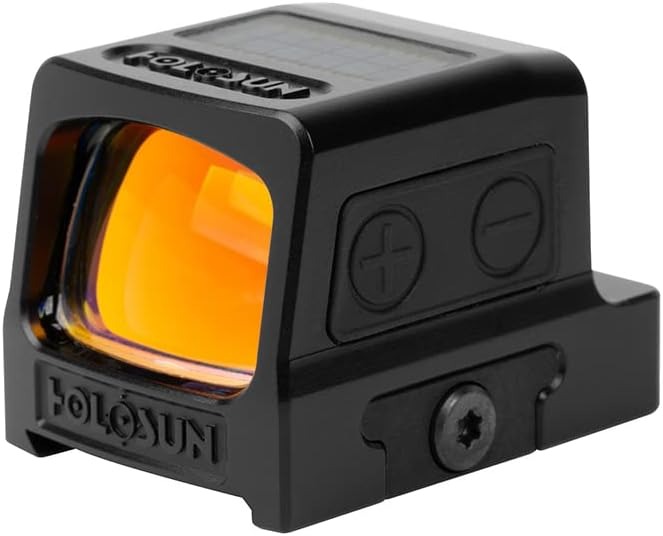
A rugged closed-emitter optic designed to eliminate debris and moisture issues.
Specs
- 2 MOA dot or circle-dot
- CR1632 battery
- Titanium housing
- Fully enclosed emitter
Pros
- No emitter occlusion
- Strong housing
- Solar backup
Cons
- Slight blue lens tint
- Requires adapter plates
My Hands-On Notes
This is one of my favorite optics for shotguns. The enclosed emitter prevents carbon fouling—something I’ve seen kill open emitters on shotguns. Parallax is well controlled, and the window is forgiving during fast transitions.
What People Say Online
Shooters love it for duty use and harsh conditions. Many highlight its reliability in rain and mud.
Mounting Clarity
Requires a plate system (often RMR adapter to Pic rail).
╰┈➤ Explore User Feedback and Current Pricing on Amazon
Trijicon RMR Type 2
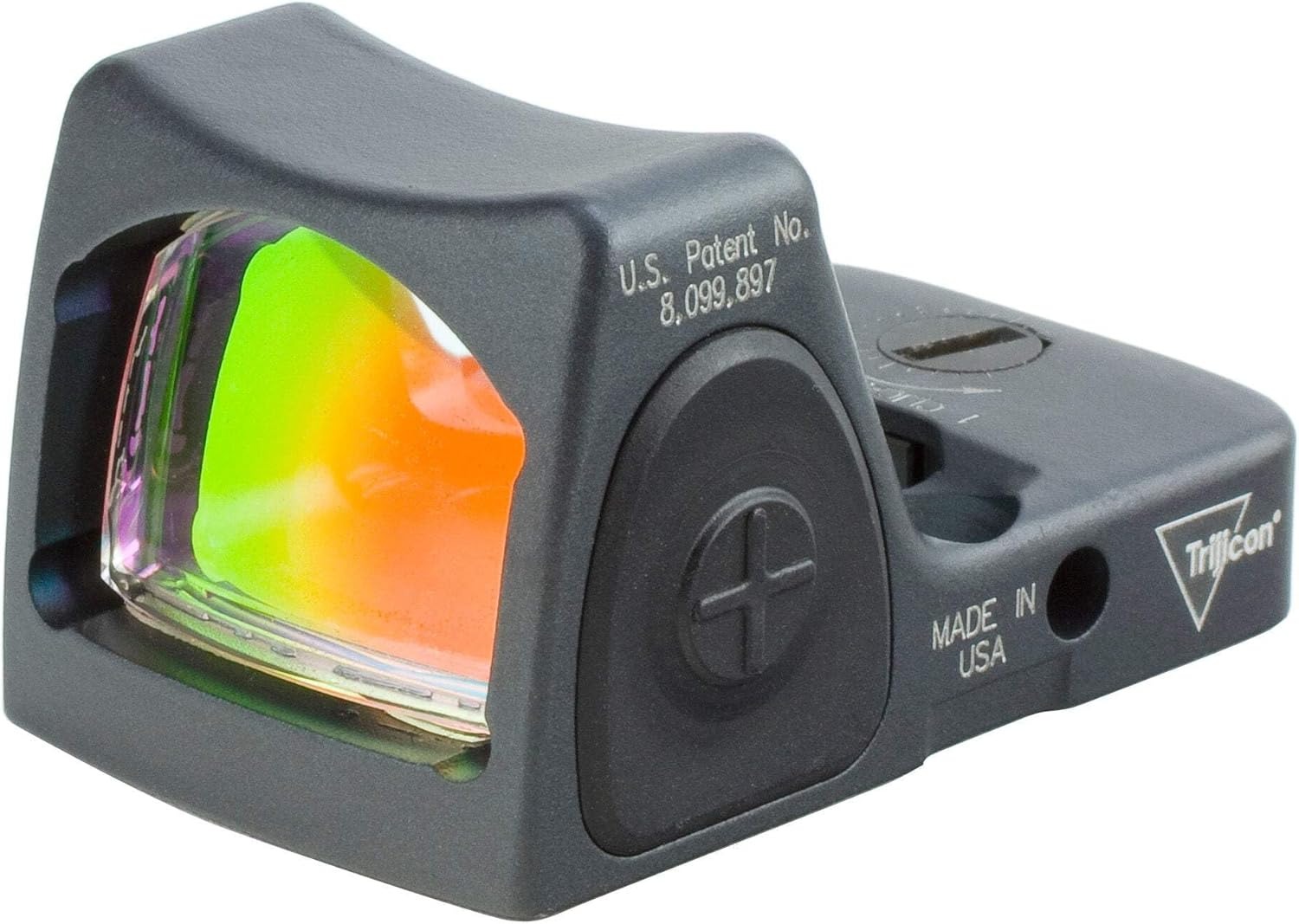
The gold standard for durability in open-emitter pistol optics.
Specs
- 3.25 MOA dot
- CR2032 battery
- RMR footprint
- Aluminum housing
Pros
- Legendary durability
- Simple controls
- Reliable electronics
Cons
- Open emitter can get dirty
- Small window
My Hands-On Notes
The RMR holds zero exceptionally well even under heavy recoil. However, emitter occlusion is real on shotguns—carbon buildup can partially block the emitter. Parallax is minimal but the small window requires disciplined presentation.
What People Say Online
Still widely trusted. Some users complain about the window size, but few question durability.
Mounting Clarity
Requires RMR-compatible mount or plate.
╰┈➤ Explore User Feedback and Current Pricing on Amazon
Holosun 510C
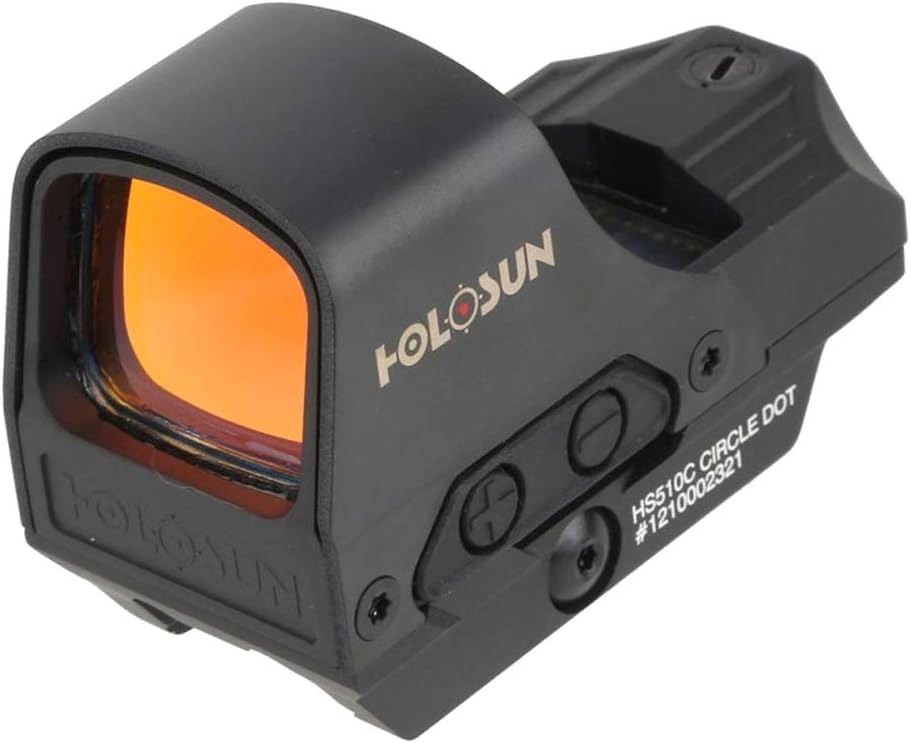
A large-window optic perfect for competition and fast target acquisition.
Specs
- 2 MOA + circle
- CR2032 battery
- Picatinny mount
- Open emitter
Pros
- Huge field of view
- Fast acquisition
- Easy controls
Cons
- Exposed emitter
- Less rugged than duty optics
My Hands-On Notes
The large window makes tracking moving targets incredibly easy. Parallax is slightly more noticeable at extreme angles but negligible in practical use. The open emitter can get dirty quickly on a shotgun.
What People Say Online
Popular in competition circles. Users love the speed but note durability limitations.
Mounting Clarity
Direct Picatinny mount—very simple setup.
╰┈➤ Explore User Feedback and Current Pricing on Amazon
Aimpoint ACRO P-2
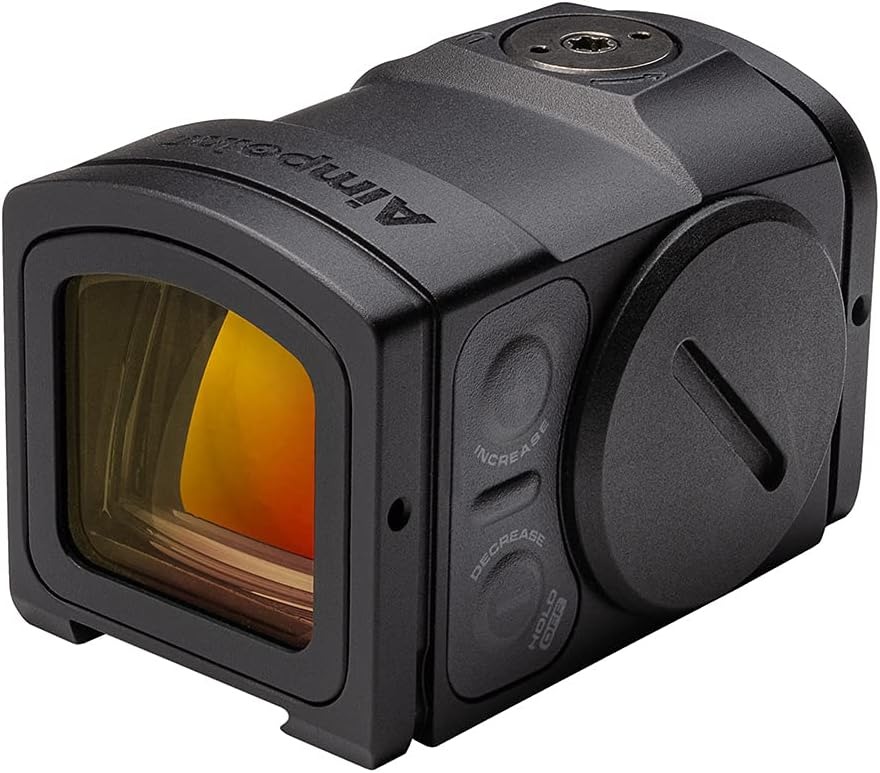
A fully enclosed duty optic built for extreme reliability.
Specs
- 3.5 MOA dot
- CR2032 battery
- ACRO footprint
- Fully sealed
Pros
- Completely enclosed
- Excellent battery life
- Military-grade durability
Cons
- Smaller window than expected
- Expensive
My Hands-On Notes
The ACRO P-2 thrives on shotguns. No emitter occlusion, no fogging, and excellent recoil resistance. Parallax is well controlled, and the optic remains usable even with imperfect head positioning.
What People Say Online
Highly regarded for duty use. Many law enforcement users trust it.
Mounting Clarity
Requires ACRO-compatible mount or adapter.
╰┈➤ Explore User Feedback and Current Pricing on Amazon
Vortex Venom
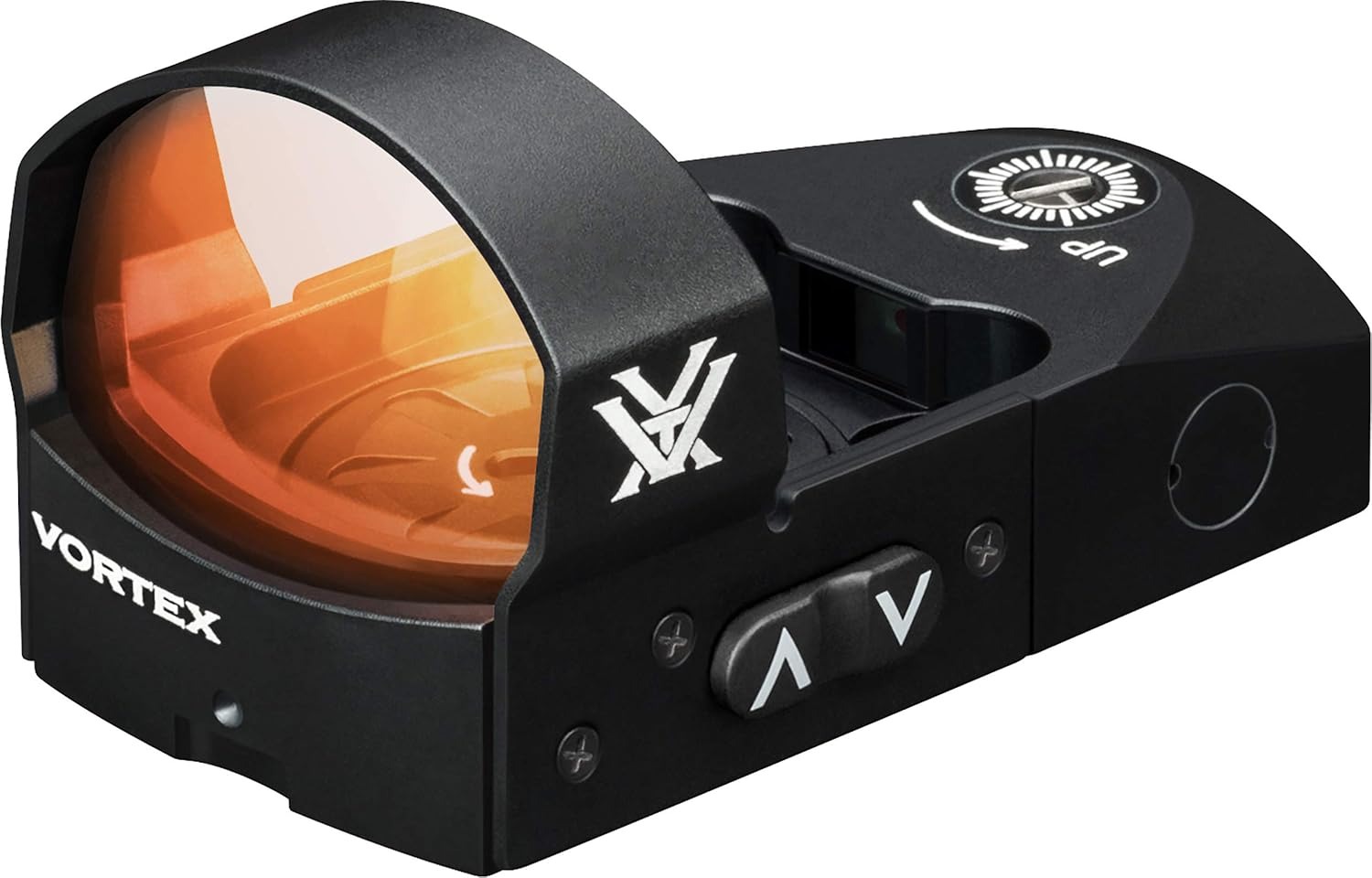
A budget-friendly optic that still performs decently on lighter setups.
Specs
- 3 MOA dot
- CR1632 battery
- Docter footprint
- Open emitter
Pros
- Affordable
- Top-load battery
- Decent window size
Cons
- Not ideal for heavy recoil
- Glass has noticeable tint
My Hands-On Notes
It works—but I wouldn’t trust it long-term on a hard-use shotgun. Parallax is acceptable, but durability is the limiting factor. Button controls are easy even with gloves.
What People Say Online
Good entry-level option, but many upgrade later.
Mounting Clarity
Requires Docter footprint mount or adapter.
╰┈➤ Explore User Feedback and Current Pricing on Amazon
How I Tested / Evaluation Criteria
Parallax
I tested each optic from awkward shooting positions typical of shotgun use. The best optics minimized point-of-impact shift even when the dot wasn’t centered.
Co-witness / Deck Height
Shotguns rarely co-witness like rifles. I focused on how natural the cheek weld felt and whether the optic sat too high.
Durability
The Beretta 1301 Comp cycles violently. I evaluated how well each optic held zero after repeated recoil cycles.
Battery
Battery life matters less than reliability. I checked for flickering, contact issues, and ease of replacement.
Brightness Range
Shotguns are used in varied lighting. I tested both bright daylight visibility and low-light usability.
Glass Quality
I looked for distortion, tint, and clarity. Blue tint was common but varied in severity.
Controls Ergonomics
Buttons had to be usable with gloves. Some optics had mushy or hard-to-press controls.
Mounting Ecosystem
Compatibility with shotgun rails and plates was critical. Simpler mounting always wins.
How to Choose the Right Red Dot for This Gun
Choosing an optic for the 1301 Comp is very different from choosing one for a pistol or rifle. First, recoil matters more than anything. If the optic isn’t built for heavy impulse, it will fail—either losing zero or suffering internal damage.
Second, consider emitter design. Open emitters can get dirty quickly due to carbon blowback. If you’re running the gun hard, a closed emitter like the ACRO or 509T is a major advantage.
Window size is also critical. Shotguns are used dynamically—tracking moving targets, transitioning quickly, and shooting from imperfect positions. Larger windows reduce the need for perfect alignment.
Mounting height is another overlooked factor. Too high, and your cheek weld suffers. Too low, and you may struggle to see over the receiver. The goal is a natural, repeatable sight picture.
Battery systems should be simple and reliable. Top-loading batteries are convenient, but durability matters more.
Finally, consider your use case. Competition shooters benefit from large windows and fast reticles. Defensive users should prioritize durability and reliability above all else.
FAQs
1. Can a pistol red dot handle shotgun recoil?
Only some can. Durable models like the RMR or ACRO are proven. Many budget optics will fail.
2. Do I need a closed emitter?
Not mandatory, but highly recommended for heavy use.
3. What dot size is best?
2–3.5 MOA is ideal for balancing precision and speed.
4. Is co-witness important on a shotgun?
Less important than on rifles. Consistent cheek weld matters more.
5. Do I need a special mount?
Yes, most setups require a Picatinny rail or adapter plate.
Conclusion
Finding the Best Red Dot for Barretta 1301 Comp comes down to durability, mounting compatibility, and real-world usability—not just specs on paper. After extensive testing, I’ve found that enclosed optics like the ACRO P-2 and Holosun 509T offer the best balance for serious use, while options like the 510C shine in competition environments.
If you prioritize reliability above all else, stick with Aimpoint or Trijicon. If you want value and features, Holosun delivers strong performance. Just remember: the 1301 Comp is unforgiving—choose an optic that can keep up.