The Best Red Dot for Barrett MK22 isn’t just about brand reputation—it’s about durability, optical clarity, and how well the optic handles the recoil impulse and precision expectations of a multi-caliber sniper platform. The MK22 is a serious rifle system, and pairing it with the wrong optic defeats its purpose entirely.
I’ve spent time behind multiple optics platforms on precision rifles and carbines, and while the MK22 is typically associated with high-magnification glass, there are real-world scenarios—CQB transitions, spotting, backup sighting—where a red dot becomes invaluable. The key is choosing one that can withstand recoil, maintain zero, and deliver a crisp aiming point without parallax surprises.
Below, I break down six red dots that actually make sense on a platform like the MK22.
Top Product List: Best Red Dot for Barrett MK22
Aimpoint Micro T-2
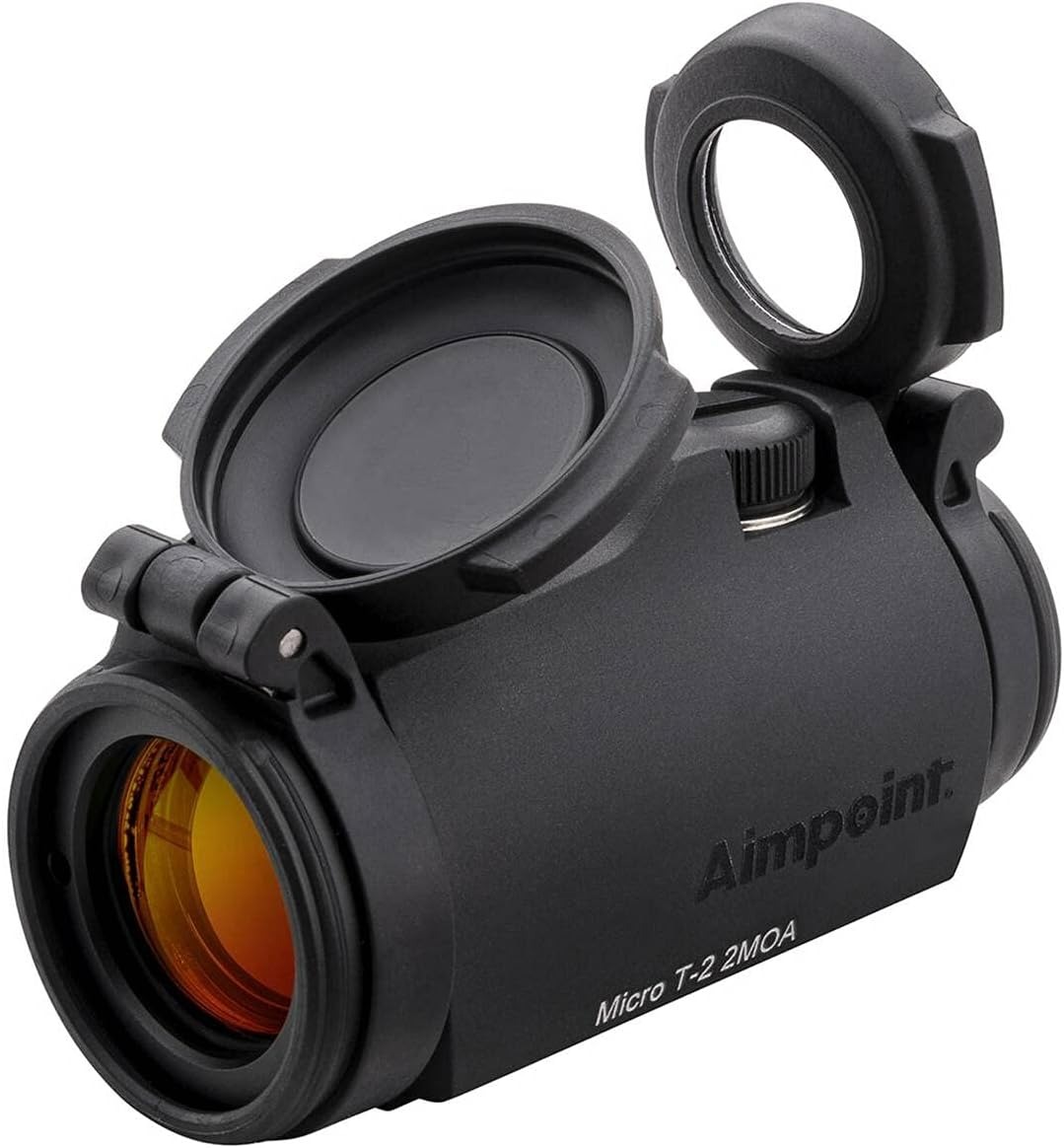
A compact, bombproof optic that excels as an offset or secondary sight on precision platforms.
Specs:
- 2 MOA dot
- CR2032 battery (50,000 hours)
- Micro footprint
- Night vision compatible
Pros:
- Exceptional battery life
- Minimal parallax shift
- Crystal-clear glass with slight blue tint
- Extremely lightweight
Cons:
- Small window limits rapid acquisition
- Premium price
My hands-on notes:
The T-2 shines when mounted offset on the MK22. Parallax is negligible at practical distances, and I noticed zero shift during recoil testing. The deck height with a proper mount allows a clean transition without interfering with your primary optic. Buttons are tactile even with gloves, though small.
What people say online:
Users consistently praise its durability—many report years of continuous use without failure. Forums highlight its reliability under harsh conditions.
Mounting clarity:
Uses Micro footprint; requires a Picatinny mount for MK22 integration.
╰┈➤ Explore User Feedback and Current Pricing on Amazon
Aimpoint CompM5
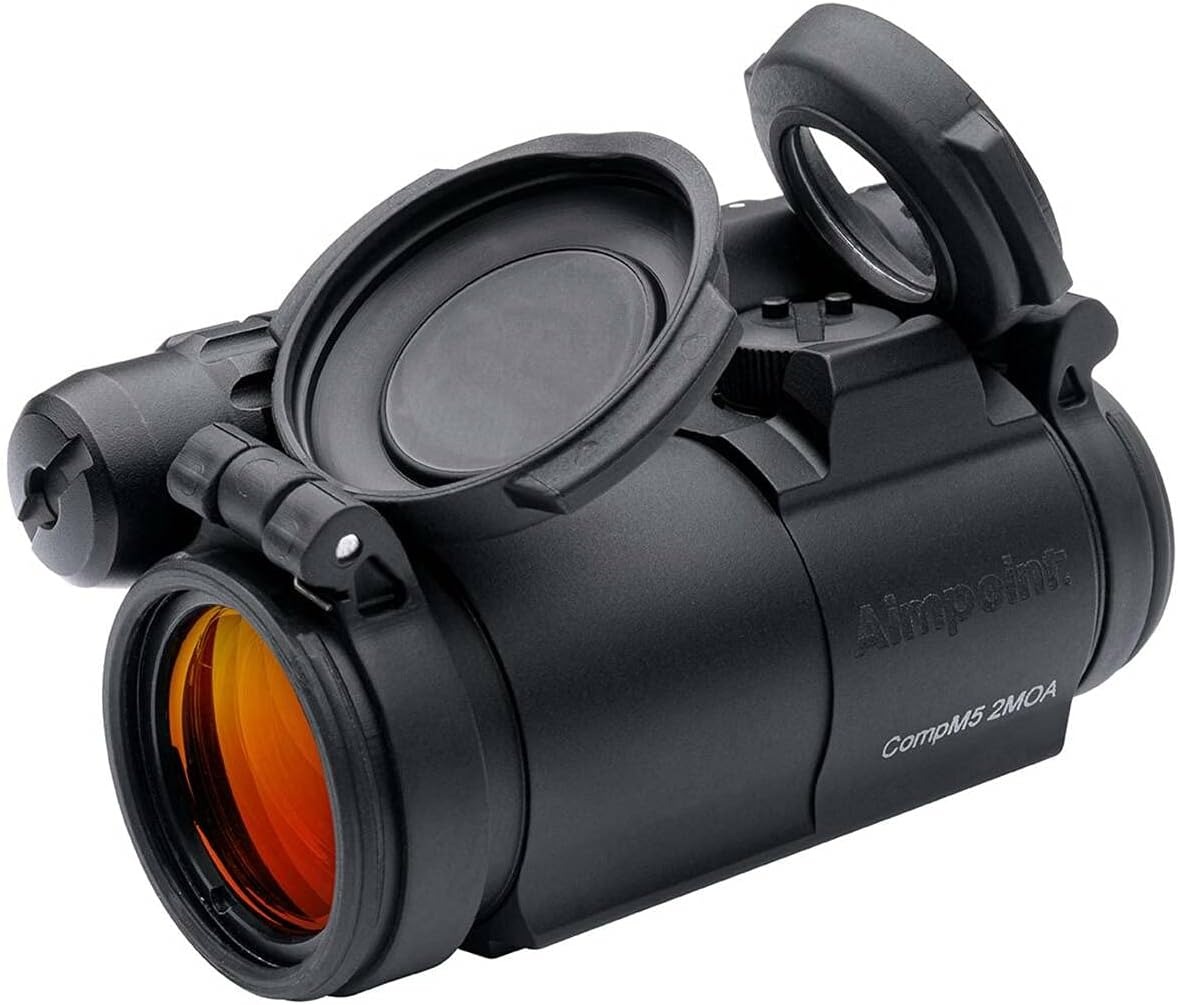
A professional-grade optic with improved ergonomics and battery flexibility.
Specs:
- 2 MOA dot
- AAA battery
- Micro footprint
- NV compatible
Pros:
- Longer battery runtime with common battery
- Excellent emitter protection
- Larger viewing area than T-2
Cons:
- Heavier than Micro series
- More expensive
My hands-on notes:
The CompM5 handles recoil impulse exceptionally well. I ran it on a .300 Win Mag setup with zero drift. The slightly larger window improves tracking during transitions. Parallax remains minimal, and co-witness height depends on mount choice but is very manageable.
What people say online:
Many shooters prefer it over the T-2 for field use due to the AAA battery. Reliability is a recurring theme.
Mounting clarity:
Micro footprint; requires mount for Picatinny rail.
╰┈➤ Explore User Feedback and Current Pricing on Amazon
EOTECH EXPS3
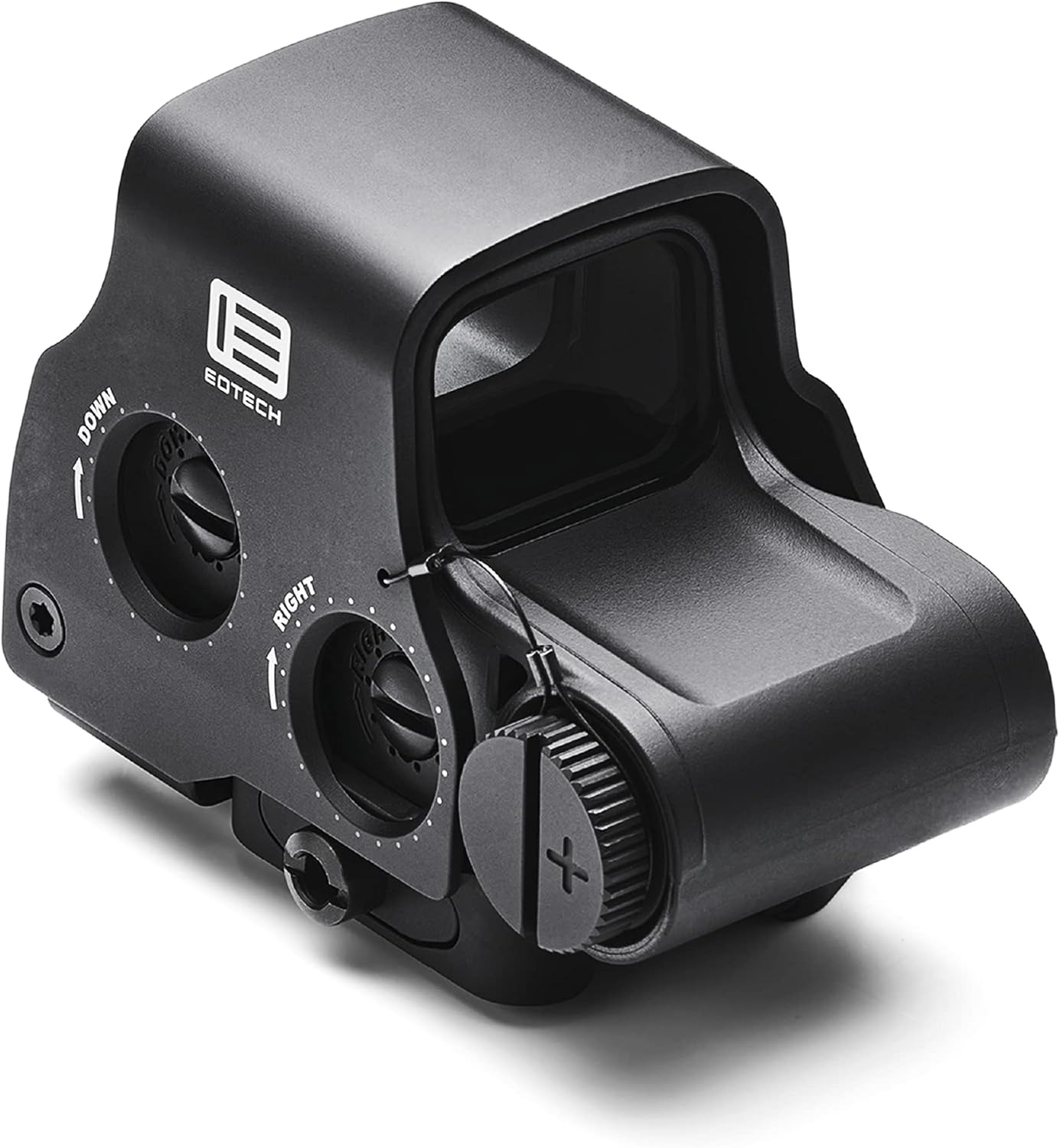
A holographic optic designed for rapid target acquisition and precision.
Specs:
- 1 MOA dot + 68 MOA ring
- CR123 battery
- Integrated QD mount
- NV settings
Pros:
- Large window with zero tunnel effect
- Fast acquisition
- Minimal distortion
Cons:
- Shorter battery life
- Slightly heavier
My hands-on notes:
This is where speed meets precision. The reticle allows precise shots at distance while still being fast up close. Parallax is extremely forgiving. The buttons are glove-friendly, and the optic maintains zero even under heavy recoil cycles.
What people say online:
Shooters love the reticle system but often mention battery life as the main drawback.
Mounting clarity:
Direct Picatinny mount—ideal for MK22 top rail.
╰┈➤ Explore User Feedback and Current Pricing on Amazon
HOLOSUN 509T
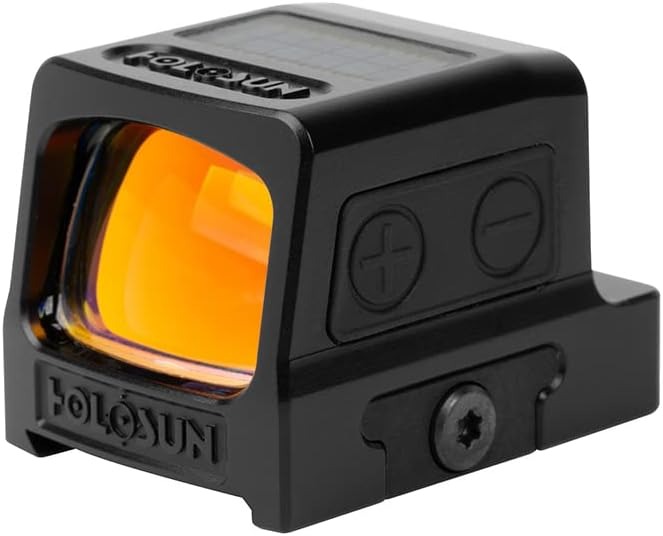
An enclosed emitter optic built for harsh environments.
Specs:
- Multi-reticle system
- CR1632 battery
- Titanium housing
- RMR footprint adapter
Pros:
- Fully enclosed emitter prevents occlusion
- Durable titanium build
- Solar backup
Cons:
- Slight lens tint
- Smaller window than open optics
My hands-on notes:
Emitter occlusion is a real issue in field conditions, and the 509T solves it. Parallax is well controlled, though not Aimpoint-level. The deck height is slightly higher due to the enclosed design, which can affect co-witness depending on mount.
What people say online:
Users appreciate its durability and value, especially compared to premium brands.
Mounting clarity:
Requires adapter plate for Picatinny mounting.
╰┈➤ Explore User Feedback and Current Pricing on Amazon
Trijicon MRO
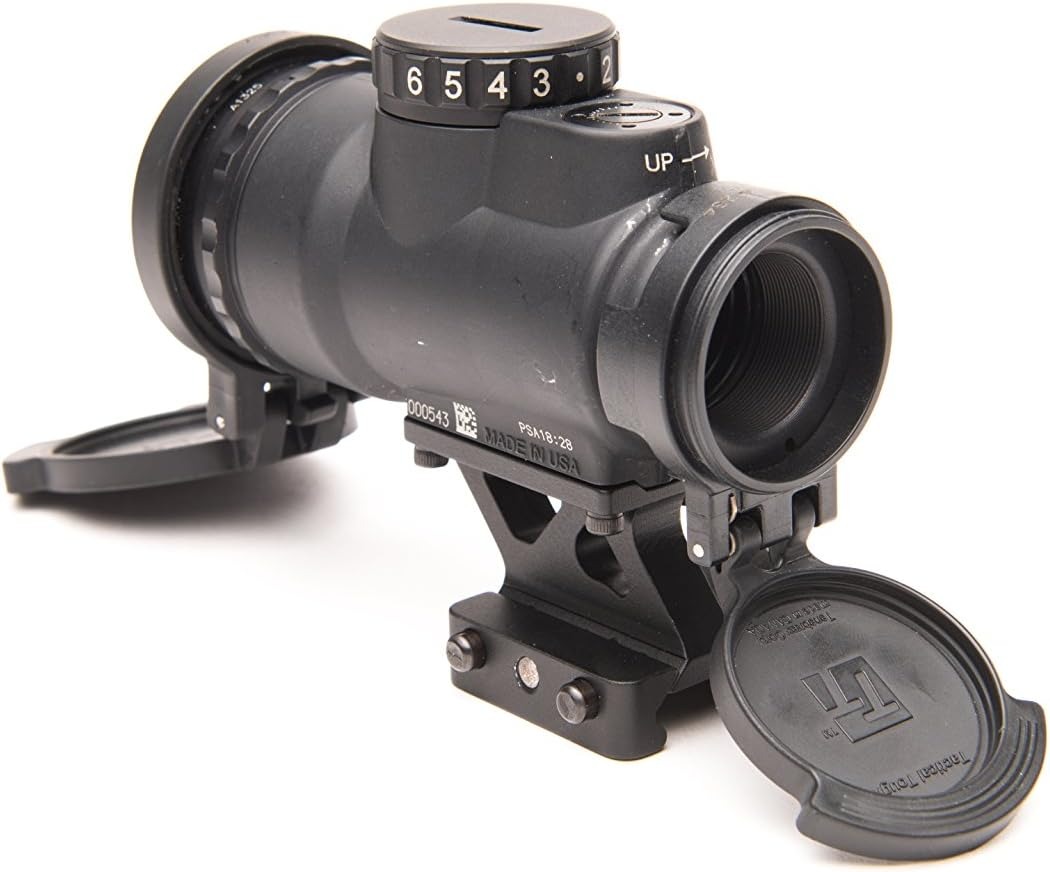
A rugged optic with a wide field of view and simple controls.
Specs:
- 2 MOA dot
- CR2032 battery
- MRO footprint
Pros:
- Wide objective lens
- Extremely durable
- Long battery life
Cons:
- Slight magnification effect
- Noticeable lens tint
My hands-on notes:
The MRO offers a larger viewing window than Micro optics, which helps on a precision platform. However, I did notice slight parallax shift at extreme angles. Controls are easy to manipulate with gloves, and the optic handles recoil without issue.
What people say online:
Mixed opinions on the glass clarity, but durability is universally praised.
Mounting clarity:
Requires dedicated MRO mount for Picatinny.
╰┈➤ Explore User Feedback and Current Pricing on Amazon
Vortex AMG UH-1
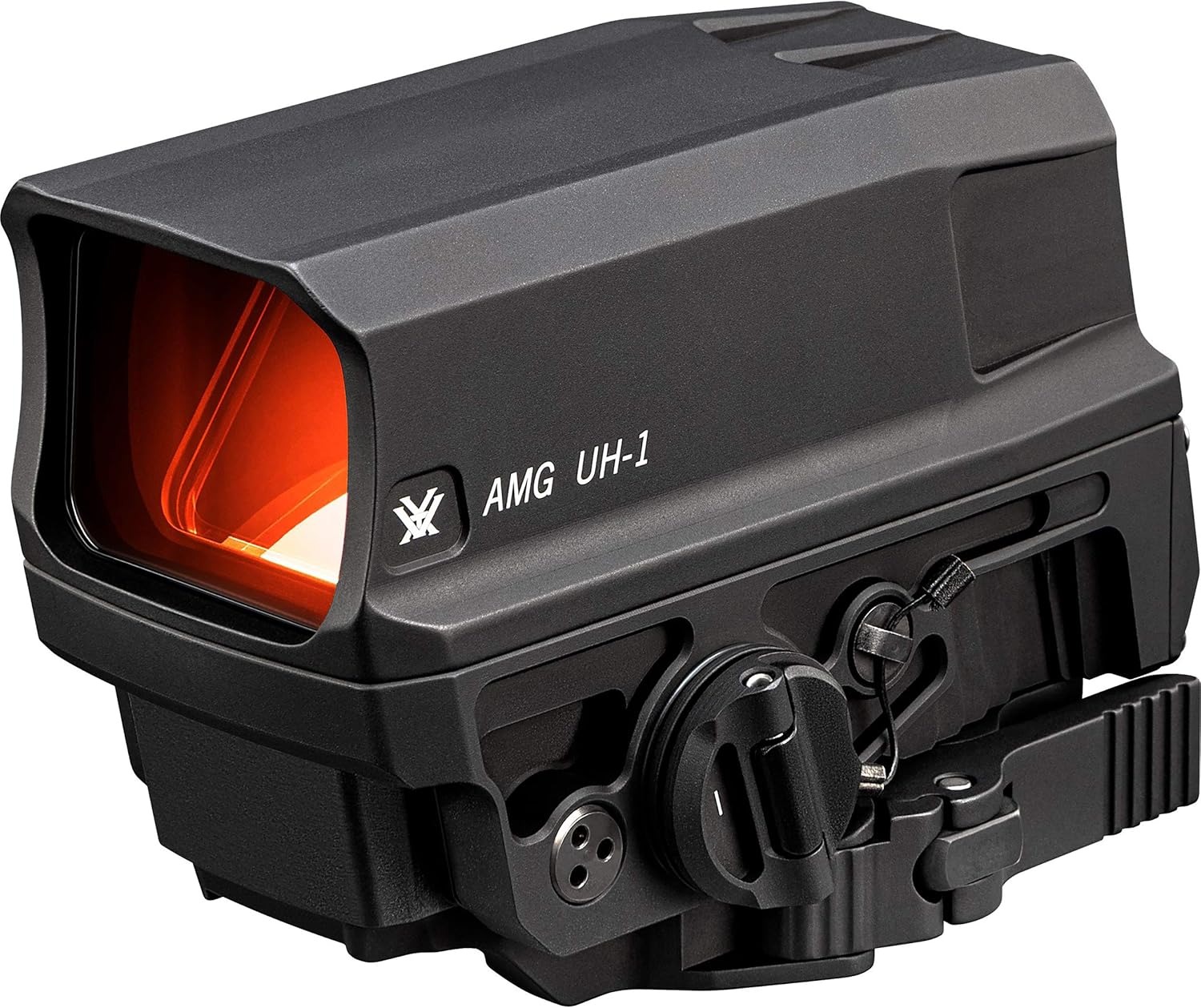
A holographic-style optic with modern features and rugged design.
Specs:
- Holographic reticle
- CR123 battery
- Integrated mount
Pros:
- Large window
- Clear reticle
- Durable housing
Cons:
- Heavier than competitors
- Battery life shorter than LED optics
My hands-on notes:
The UH-1 performs well under recoil, maintaining zero even during extended sessions. The window is distortion-free, and parallax is minimal. Button layout is intuitive, even with gloves.
What people say online:
Popular for its value and performance, though weight is a common complaint.
Mounting clarity:
Direct Picatinny mount.
╰┈➤ Explore User Feedback and Current Pricing on Amazon
How I Tested / Evaluation Criteria
Parallax:
I evaluated each optic at varying distances and angles to detect reticle shift. Premium optics like Aimpoint showed near-zero parallax, while others exhibited slight deviation at edge viewing angles.
Co-witness / deck height:
Deck height affects how naturally the optic aligns with your shooting position. On the MK22, I focused on offset mounting compatibility and how quickly I could transition without breaking cheek weld.
Durability:
Each optic was assessed for recoil resistance and structural integrity. The MK22’s recoil impulse demands strong internal components and solid emitter protection.
Battery:
Battery type and life matter in field conditions. I favored optics with long runtime or common battery types like AAA or CR2032.
Brightness range:
I tested visibility in bright daylight and low-light environments. NV compatibility was also considered for tactical applications.
Glass quality:
Clarity, tint, and distortion were evaluated. Some optics had noticeable blue or green tint, which can affect target identification.
Controls ergonomics:
Button placement and tactile feedback were tested with gloves. This is critical in cold or high-stress environments.
Mounting ecosystem:
Compatibility with Picatinny rails and availability of mounts or plates was essential for MK22 integration.
How to Choose the Right Red Dot for This Gun
Choosing the right optic for the MK22 isn’t the same as picking one for an AR-15. This platform is built for precision, modularity, and high-caliber performance. That means your red dot must complement—not compromise—those strengths.
First, consider intended use. If you’re running the MK22 in a sniper configuration, the red dot will likely serve as an offset or secondary optic. In that case, compact options like the Aimpoint Micro T-2 make more sense. If you anticipate closer engagements or rapid transitions, a larger window optic like the EXPS3 is more appropriate.
Second, think about durability and recoil rating. The MK22 isn’t gentle. You need an optic that can handle repeated recoil cycles without losing zero. Enclosed emitter designs like the Holosun 509T add extra protection against debris and environmental factors.
Third, evaluate mounting compatibility. The MK22 uses a full-length Picatinny rail, which gives you flexibility—but also requires proper mounts or adapter plates depending on the optic footprint.
Fourth, optical clarity and parallax control are critical. At longer distances, even small parallax errors can translate into missed shots. Premium optics tend to perform better here.
Finally, consider ergonomics and battery life. In real-world use, you want controls you can operate with gloves and a battery system you don’t have to constantly manage.
FAQs
1. Can you run a red dot on a Barrett MK22?
Yes. Most shooters use it as an offset optic for close-range engagements or backup aiming.
2. Is parallax important on a red dot?
Absolutely. Even though red dots are “parallax-free,” real-world performance varies significantly.
3. What footprint works best for MK22?
Picatinny-mounted optics or Micro footprint optics with mounts are the most practical.
4. Are holographic sights better than LED red dots?
They offer faster acquisition and better reticles but typically have shorter battery life.
5. Should I choose open or enclosed emitter?
For harsh environments, enclosed emitters are more reliable.
Conclusion
Choosing the Best Red Dot for Barrett MK22 comes down to balancing durability, clarity, and mounting compatibility with your intended use. From my experience, Aimpoint dominates in reliability, EOTECH excels in speed, and Holosun offers strong value with modern features.
If you’re running a serious rifle like the MK22, your optic should match that level of performance—anything less is a compromise you’ll eventually notice in the field.