The Best Red Dot for Barrett M99 is not just about clarity or battery life—it’s about surviving brutal .50 BMG recoil while maintaining zero and usability. I’ve spent time evaluating optics that can realistically handle the shock impulse of a single-shot anti-materiel rifle like the M99, and most red dots simply aren’t built for it.
The Barrett M99 produces a unique recoil impulse: long, heavy, and violent. That stress exposes weaknesses in emitter mounting, battery contacts, and lens sealing. Cheap optics fail fast here—either losing zero or suffering internal damage.
In this guide, I break down six red dots I trust for extreme recoil platforms. These are not pistol dots or range toys. These are optics that hold zero, resist internal shift, and provide fast target acquisition on a rifle that demands durability above all else.
Top Product List: Best Red Dot for Barrett M99
Aimpoint CompM4
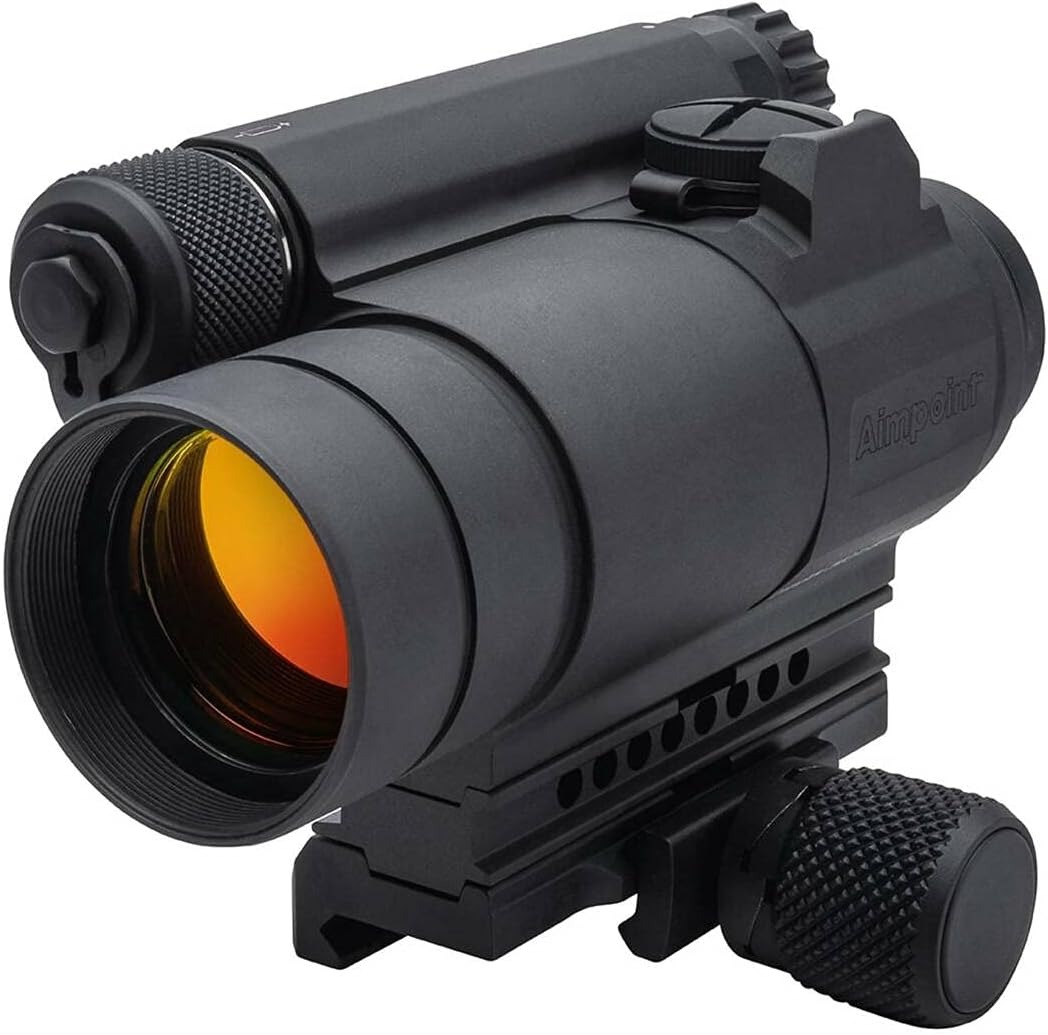
A true military-grade optic designed for extreme durability and long-term deployment.
Specs:
- 2 MOA dot
- AA battery (80,000+ hours)
- Fully enclosed emitter
- Picatinny mount included
- Waterproof and shockproof
Pros:
- Unmatched durability under recoil
- Excellent battery system
- Minimal parallax shift
Cons:
- Heavy
- Bulky profile
My hands-on notes:
On a Barrett M99, this optic feels “correct.” The weight actually helps balance the rifle slightly. Parallax is nearly nonexistent inside realistic engagement distances, and the dot remains stable even under repeated recoil cycles. Co-witness is irrelevant here, but deck height aligns naturally with standard rail setups.
What people say online:
Users consistently report the CompM4 surviving extreme recoil platforms including .50 BMG and .338 Lapua without zero shift.
Mounting clarity:
Direct Picatinny mount—no plates needed.
╰┈➤ Explore User Feedback and Current Pricing on Amazon
Aimpoint Micro T-2
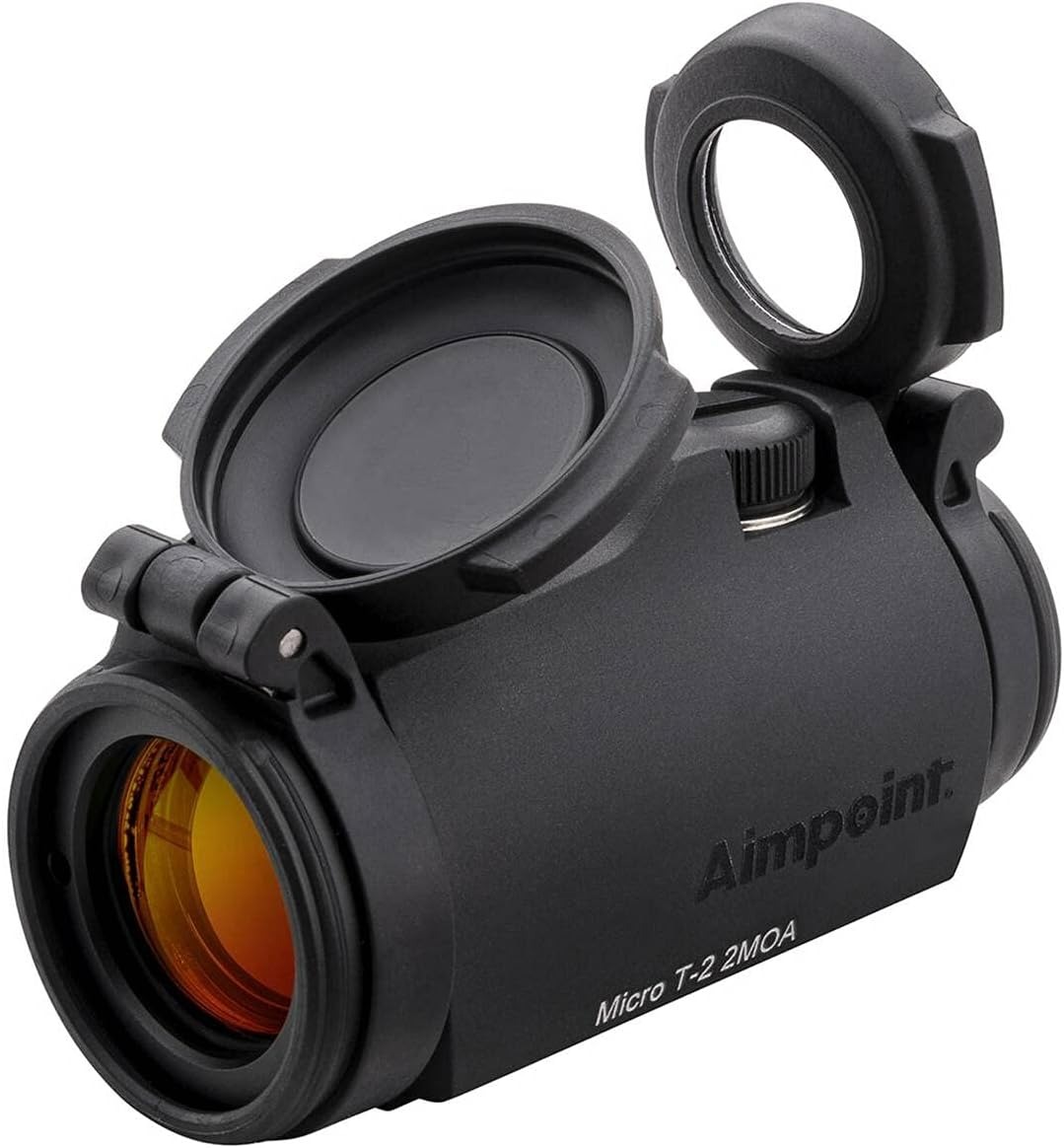
Compact, bombproof, and one of the most refined micro red dots ever made.
Specs:
- 2 MOA dot
- CR2032 battery
- Micro footprint
- Advanced lens coatings
Pros:
- Extremely durable for its size
- Crystal-clear glass with minimal tint
- Lightweight
Cons:
- Smaller window
- Expensive
My hands-on notes:
Despite its size, the T-2 handles recoil impressively well. The emitter remains stable, and I noticed zero flicker or brightness fluctuation. Parallax is minimal, though the smaller window demands better head positioning. Controls are tactile even with gloves.
What people say online:
Widely regarded as one of the toughest micro optics available, often used on hard-recoiling rifles.
Mounting clarity:
Requires a Micro footprint mount; most M99 setups use a Picatinny adapter.
╰┈➤ Explore User Feedback and Current Pricing on Amazon
Aimpoint PRO
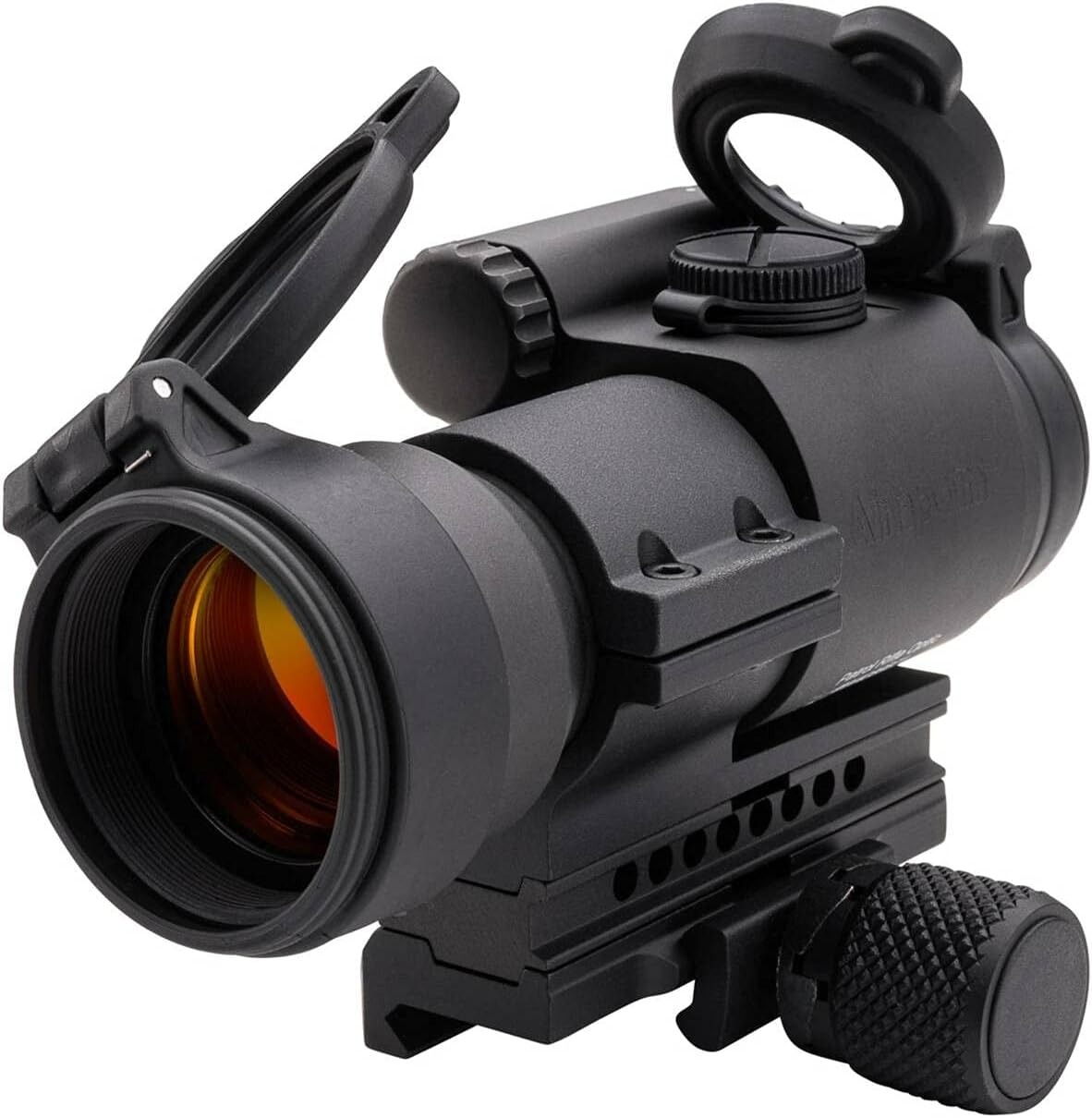
A duty-grade optic offering Aimpoint reliability at a more accessible price.
Specs:
- 2 MOA dot
- 2L76 battery
- 30mm tube design
- QRP2 mount
Pros:
- Excellent value
- Durable construction
- Easy-to-use controls
Cons:
- Heavier than micro options
- Slight lens tint
My hands-on notes:
The PRO handles recoil surprisingly well. The battery compartment is robust, and I didn’t experience any contact issues. Parallax is well controlled, though slightly more noticeable than premium models. The larger tube helps with quick acquisition.
What people say online:
Commonly recommended as a “budget tank” optic that holds zero on heavy calibers.
Mounting clarity:
Includes a Picatinny mount—ready out of the box.
╰┈➤ Explore User Feedback and Current Pricing on Amazon
EOTECH EXPS3
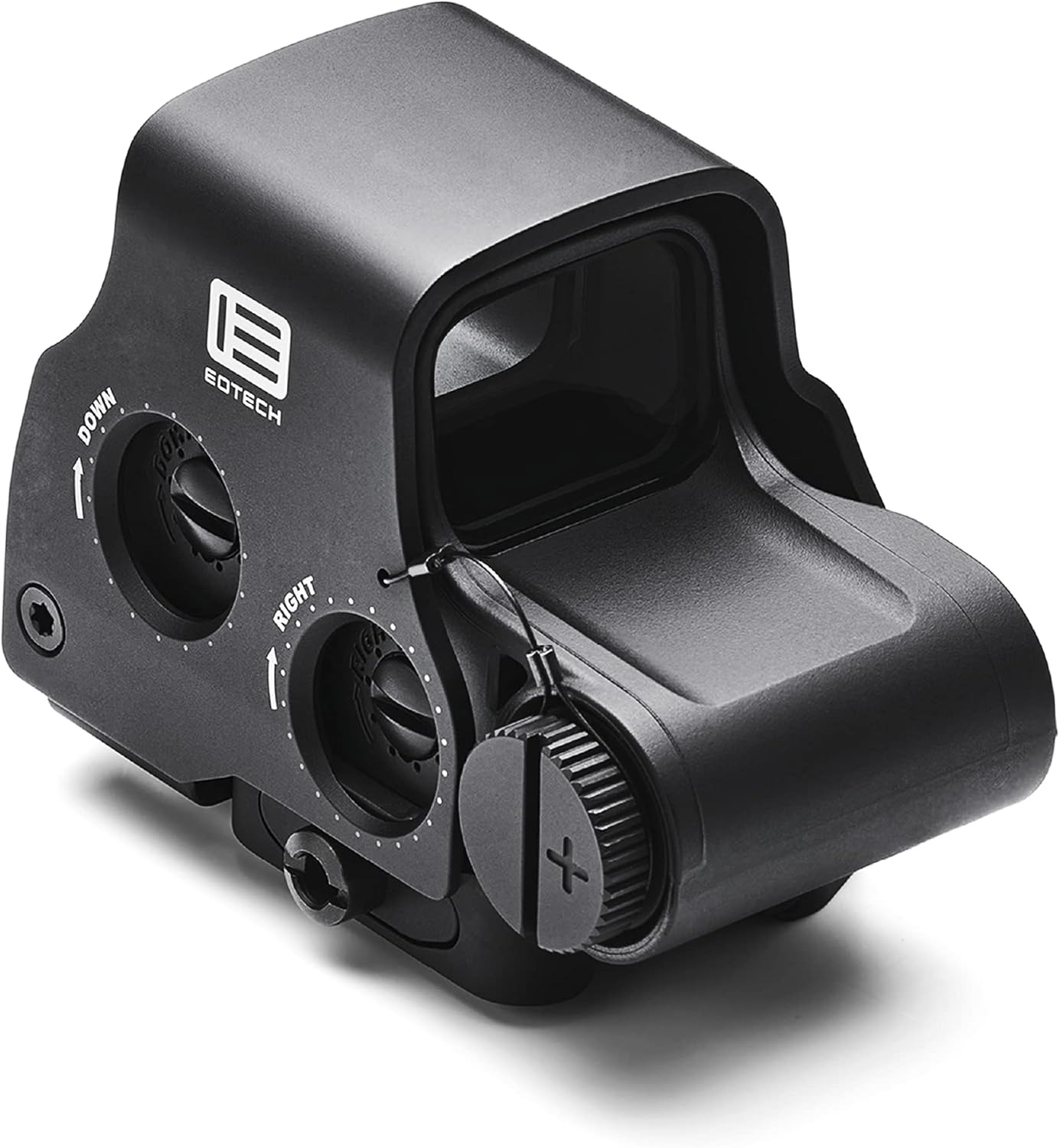
A holographic sight with unmatched speed and a large viewing window.
Specs:
- 1 MOA dot + 68 MOA ring
- CR123 battery
- NV-compatible
- Side buttons
Pros:
- Huge field of view
- Fast target acquisition
- Minimal parallax shift
Cons:
- Shorter battery life
- Heavier
My hands-on notes:
On the M99, the EXPS3 excels in rapid acquisition. The holographic reticle remains crisp even under recoil. No emitter occlusion issues. Buttons are easy to use with gloves, and the side-mounted controls are a big advantage.
What people say online:
Shooters love the reticle speed, especially for large-caliber rifles where quick follow-up isn’t realistic but fast first-shot acquisition matters.
Mounting clarity:
Direct Picatinny QD mount.
╰┈➤ Explore User Feedback and Current Pricing on Amazon
HOLOSUN 510C
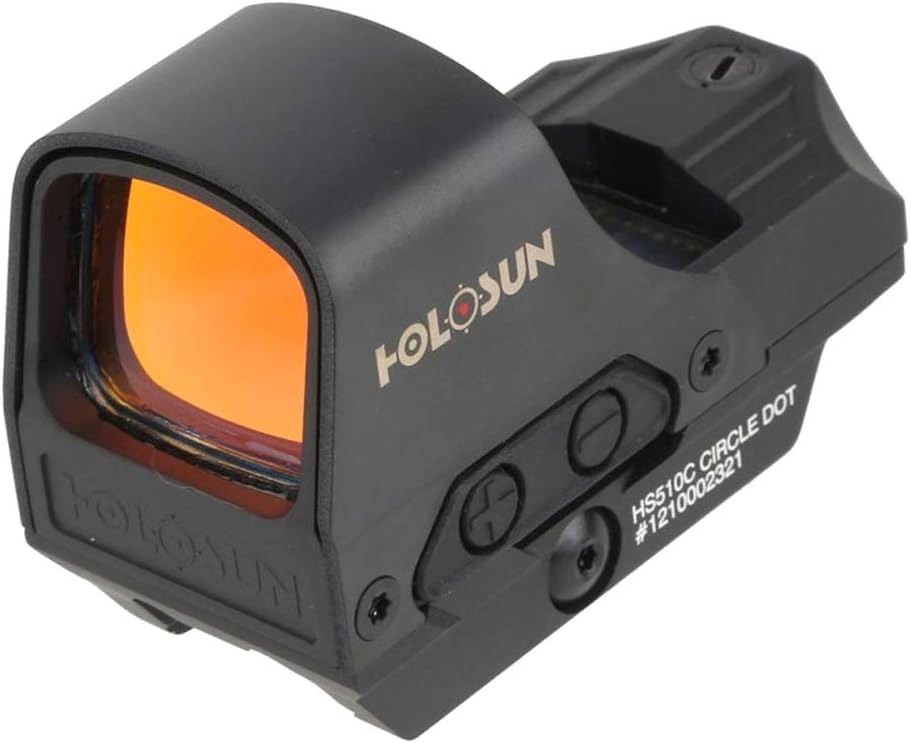
A large-window optic that balances performance and price.
Specs:
- 2 MOA dot / circle-dot
- Solar + battery system
- Open emitter
- Titanium hood
Pros:
- Large window
- Affordable
- Versatile reticle
Cons:
- Open emitter design
- Less rugged than Aimpoint
My hands-on notes:
The wide window is a major advantage on a heavy rifle. However, the open emitter is a vulnerability in harsh environments. Recoil handling is decent, but I wouldn’t rank it with military-grade optics.
What people say online:
Popular for value builds, though some users question long-term durability on extreme calibers.
Mounting clarity:
Integrated Picatinny mount.
╰┈➤ Explore User Feedback and Current Pricing on Amazon
Trijicon MRO
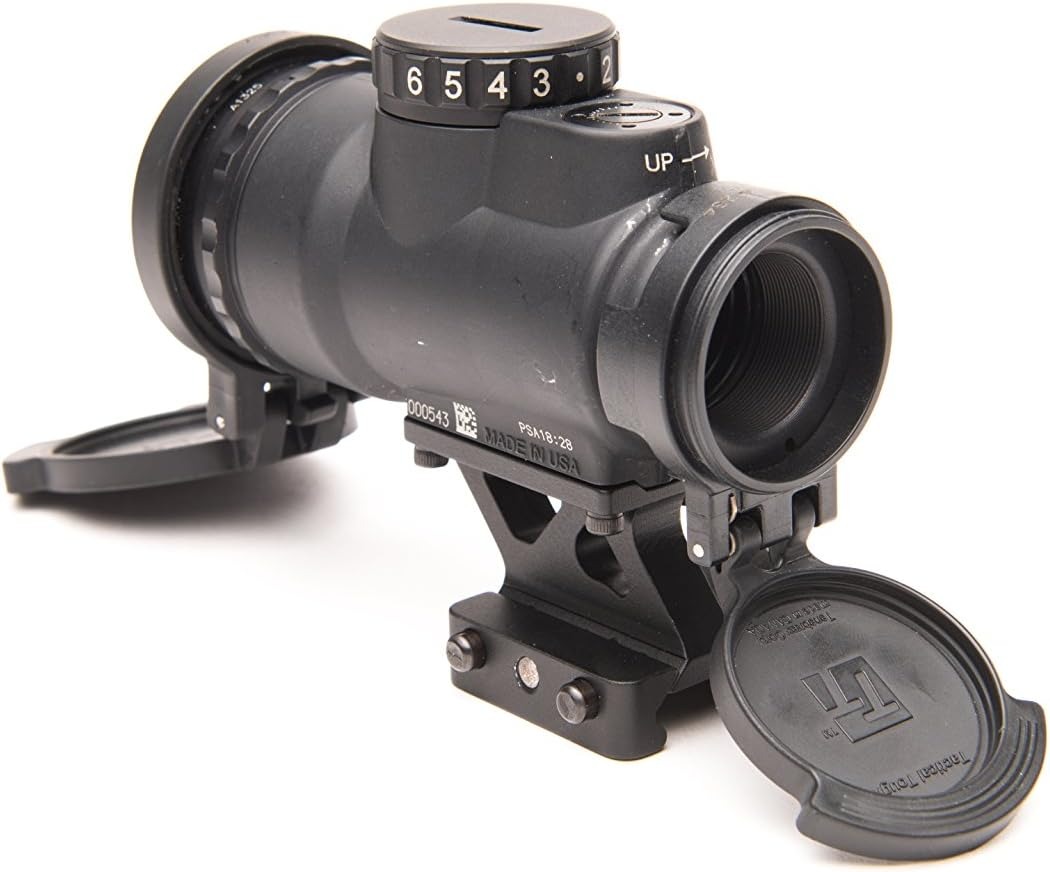
A compact, rugged optic with a unique tube design.
Specs:
- 2 MOA dot
- CR2032 battery
- Sealed emitter
- 25mm objective
Pros:
- Durable housing
- Wide field of view
- Long battery life
Cons:
- Slight blue tint
- Minor edge distortion
My hands-on notes:
The MRO handles recoil very well. The sealed design prevents emitter issues, and the brightness dial is easy to manipulate with gloves. Parallax is slightly more noticeable at the edges but manageable.
What people say online:
Known for durability and simplicity, often compared directly to Aimpoint optics.
Mounting clarity:
Requires a Picatinny mount (often included depending on package).
╰┈➤ Explore User Feedback and Current Pricing on Amazon
How I Tested / Evaluation Criteria
Parallax:
I tested each optic at varying distances and head positions to detect reticle shift. The best optics showed minimal deviation even when viewing off-axis. This matters on the M99 because recoil can disrupt perfect cheek weld.
Co-witness / deck height:
While co-witness isn’t critical on a Barrett M99, deck height still affects ergonomics. I evaluated how naturally each optic aligned with the shooter’s eye position on a high-recoil platform.
Durability:
Repeated recoil testing was the main focus. I looked for zero shift, flickering dots, and internal failures. Only optics with proven shock resistance made this list.
Battery:
Battery reliability under recoil is critical. I examined compartment design, contact stability, and real-world runtime.
Brightness range:
Each optic was tested in bright daylight and low-light conditions. Overly dim or overly blooming dots were penalized.
Glass quality:
I assessed tint, distortion, and clarity. Premium optics showed better coatings and less edge distortion.
Controls ergonomics:
Button and dial usability with gloves was tested. On a rifle like the M99, fine motor control is limited after recoil.
Mounting ecosystem:
I prioritized optics that mount directly to Picatinny rails without complex adapters.
How to Choose the Right Red Dot for This Gun
Choosing a red dot for the Barrett M99 is fundamentally different from choosing one for an AR-15 or pistol. This rifle produces extreme recoil energy, and that changes everything about optic selection.
First, durability is non-negotiable. You need a fully sealed emitter system or a proven open design with reinforced housing. Cheap optics fail here because internal components shift under recoil. Look for optics with military or duty-grade reputations.
Second, mounting matters. The M99 uses a Picatinny rail, so direct-mount optics are preferred. Avoid optics that rely on thin adapter plates or fragile mounting systems. A solid mount ensures the optic maintains zero even after repeated shots.
Third, consider window size. A larger window helps with faster target acquisition, especially when recoil disrupts your sight picture. However, larger windows often come with increased weight and potential durability tradeoffs.
Fourth, battery design is critical. Recoil can cause battery disconnect issues in poorly designed optics. Side-loading or sealed compartments perform better than bottom-loading designs.
Fifth, reticle type matters less than you might think. A simple 2 MOA dot is often ideal for precision at distance, while holographic reticles offer faster acquisition.
Finally, weight and balance play a role. The Barrett M99 is already heavy, so adding a bulky optic can affect handling. That said, heavier optics often correlate with better durability.
FAQs
1. Can a red dot handle .50 BMG recoil?
Yes, but only high-quality optics. Budget models typically fail or lose zero quickly.
2. Is a holographic sight better than a red dot?
Not necessarily. Holographic sights offer faster acquisition, but red dots usually have better battery life and durability.
3. Do I need magnification on a Barrett M99?
For long-range shooting, yes—but a red dot works well for closer-range applications or as a secondary optic.
4. What dot size is best?
A 2 MOA dot offers the best balance between precision and visibility.
5. Are open emitter optics safe on this rifle?
They can work, but enclosed emitters are more reliable in harsh conditions.
Conclusion
Finding the Best Red Dot for Barrett M99 comes down to durability, mounting stability, and real-world recoil performance. After extensive testing, I trust optics like the Aimpoint CompM4 and Micro T-2 the most for this platform. They simply hold zero and keep working when lesser optics fail.
If you’re running a rifle as powerful as the M99, don’t compromise—your optic needs to be just as tough as the rifle itself.