The Best Red Dot for Backcountry Hunting isn’t just about clarity—it’s about reliability when everything else fails, from freezing mornings to hard recoil and days away from civilization.
Backcountry hunting places unique demands on optics. Weight matters. Battery life matters more. And durability isn’t optional—it’s survival. I’ve tested dozens of red dots across rifles, shotguns, and lightweight hunting builds, focusing on real-world performance rather than spec-sheet hype.
In this guide, I break down six optics that consistently hold zero, resist environmental abuse, and deliver fast target acquisition when it counts.
Top Product List: Best Red Dot for Backcountry Hunting
Aimpoint Micro T-2
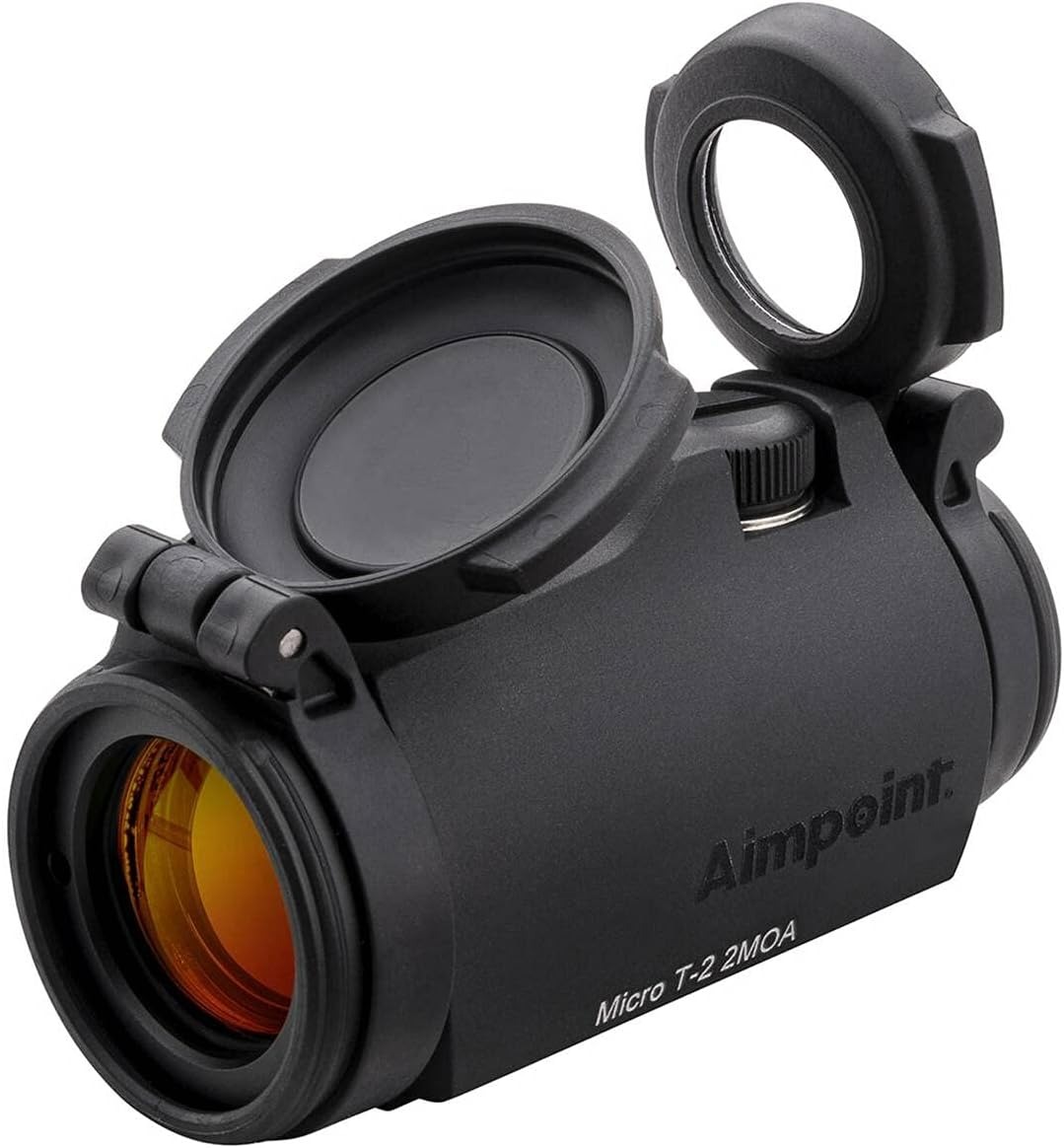
A gold-standard micro red dot built for harsh environments and minimal weight.
Specs:
- 2 MOA dot
- Micro footprint
- 50,000-hour battery
- Fully sealed emitter
- Night vision compatible
Pros:
- Exceptional battery life
- Minimal parallax shift
- Ultra-lightweight
Cons:
- Expensive
- Small window
My hands-on notes:
The T-2 is as close to bombproof as it gets. I’ve run it on lightweight .308 and 5.56 hunting rifles, and it shrugs off recoil impulse without losing zero. Parallax is negligible inside 100 yards, and co-witness works cleanly with low mounts. The lens has a slight blue tint but remains clear in snow glare. Buttons are tactile even with gloves.
What people say online:
Hunters consistently praise its reliability in cold weather and long battery life. Complaints mostly revolve around price and small viewing window.
Mounting clarity:
Uses Aimpoint Micro footprint—widely supported. Direct mount on most hunting rifles with appropriate base.
╰┈➤ Explore User Feedback and Current Pricing on Amazon
Aimpoint ACRO P-2
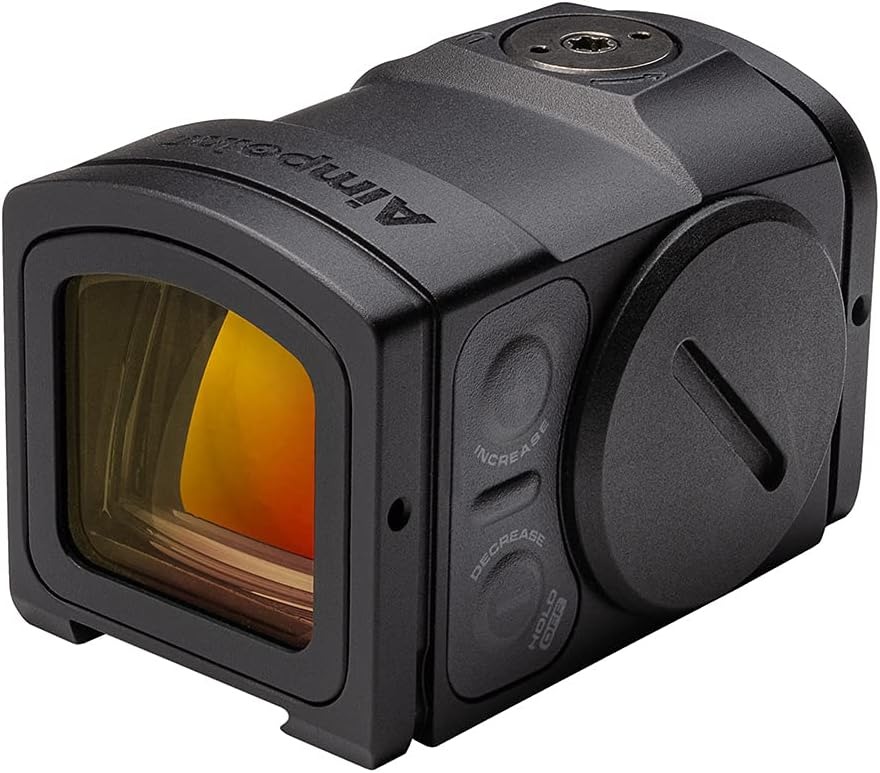
An enclosed emitter optic built for extreme environmental protection.
Specs:
- 3.5 MOA dot
- Fully enclosed emitter
- 50,000-hour battery
- Waterproof beyond 30 meters
Pros:
- No emitter occlusion
- Outstanding sealing
- Reliable in rain/snow
Cons:
- Heavier than micro dots
- Requires specific mount
My hands-on notes:
This optic excels where open emitters fail. Mud, rain, and snow don’t block the emitter. Parallax is well-controlled, though slightly more noticeable at edge angles than the T-2. Deck height is higher, so co-witness may require taller irons. The battery cap is robust and easy to access with gloves.
What people say online:
Backcountry hunters love the enclosed design, especially in wet climates. Some note the added bulk compared to micro optics.
Mounting clarity:
Requires ACRO footprint or adapter plate—less universal but increasingly supported.
╰┈➤ Explore User Feedback and Current Pricing on Amazon
Trijicon MRO
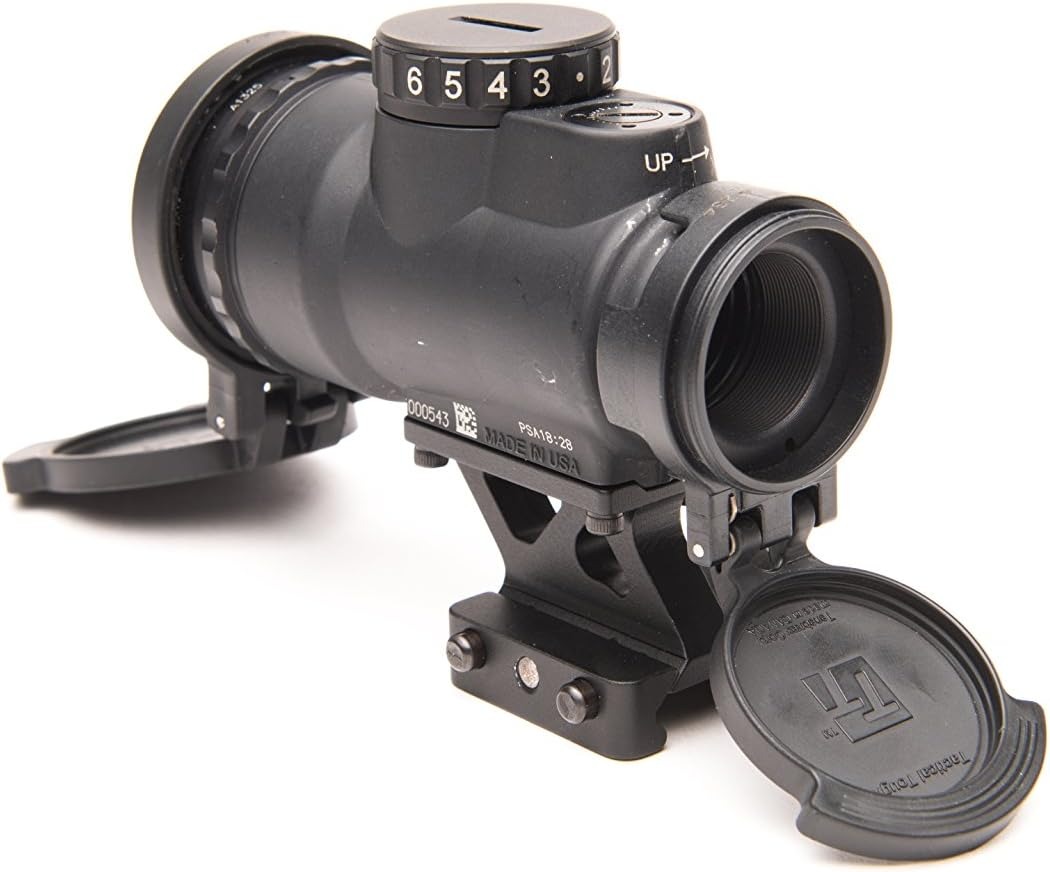
A wide-window tube optic ideal for fast target acquisition.
Specs:
- 2 MOA dot
- Large objective lens
- 5-year battery life
- Waterproof aluminum housing
Pros:
- Excellent field of view
- Lightweight for size
- Durable housing
Cons:
- Slight edge distortion
- Noticeable tint
My hands-on notes:
The MRO shines when tracking moving game. The larger window makes acquisition faster than micro dots. However, I noticed slight magnification and edge distortion. Parallax is minimal but more visible than Aimpoint options at extreme angles. Controls are easy to operate with gloves.
What people say online:
Hunters appreciate the wide field of view but often mention the blue tint and slight distortion.
Mounting clarity:
Uses proprietary MRO mount system—many aftermarket options available.
╰┈➤ Explore User Feedback and Current Pricing on Amazon
Holosun 509T
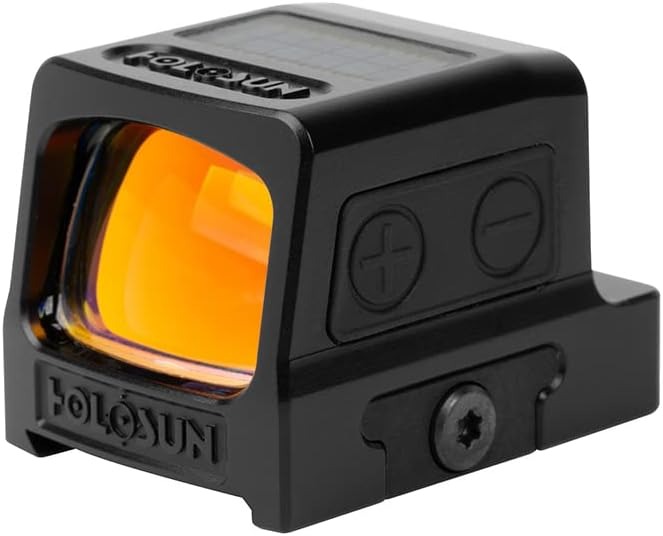
A rugged enclosed emitter optic with excellent value.
Specs:
- 2 MOA dot
- Titanium housing
- Solar backup + battery
- Multi-reticle system
Pros:
- Enclosed emitter
- Durable titanium body
- Great price-to-performance
Cons:
- Slightly heavier
- Button ergonomics average
My hands-on notes:
The 509T handles recoil surprisingly well—even on heavier calibers. Parallax is well managed, and the enclosed emitter prevents occlusion. Lens clarity is good with minimal distortion. Buttons are usable with gloves but lack the crisp tactile feel of premium optics.
What people say online:
Users love the durability and value. Some mention that brightness adjustments aren’t as intuitive.
Mounting clarity:
Requires RMR adapter plate or dedicated mount—important for hunting rifle setups.
╰┈➤ Explore User Feedback and Current Pricing on Amazon
Leupold Freedom RDS
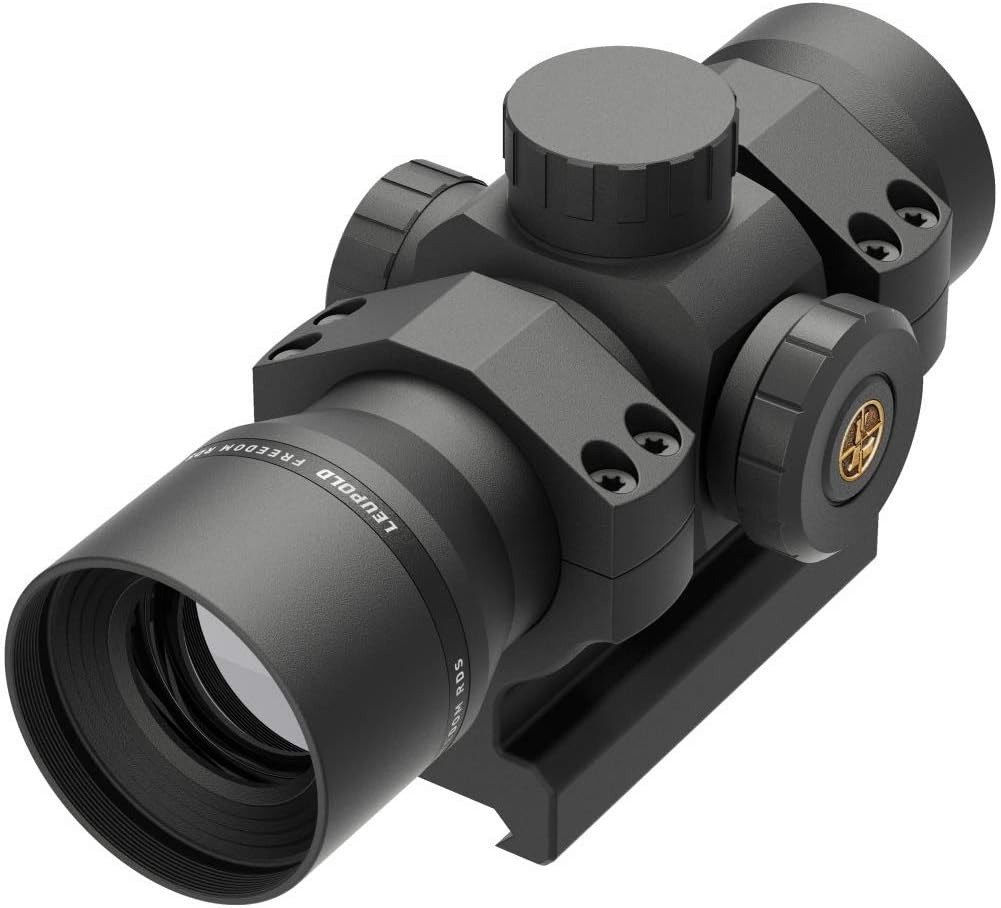
A lightweight optic tailored for traditional hunting rifles.
Specs:
- 1 MOA dot
- Motion sensor tech
- Lightweight aluminum
- Long battery life
Pros:
- Extremely light
- Crisp small dot
- Simple controls
Cons:
- Not enclosed
- Limited advanced features
My hands-on notes:
This is one of the best lightweight options I’ve tested. The 1 MOA dot is excellent for precision shots. Parallax is minimal at typical hunting distances. Glass is very clear with minimal tint. Button controls are glove-friendly and intuitive.
What people say online:
Hunters appreciate its simplicity and low weight. Some wish for an enclosed emitter.
Mounting clarity:
Standard Picatinny mount—very easy integration.
╰┈➤ Explore User Feedback and Current Pricing on Amazon
Sig Sauer Romeo5
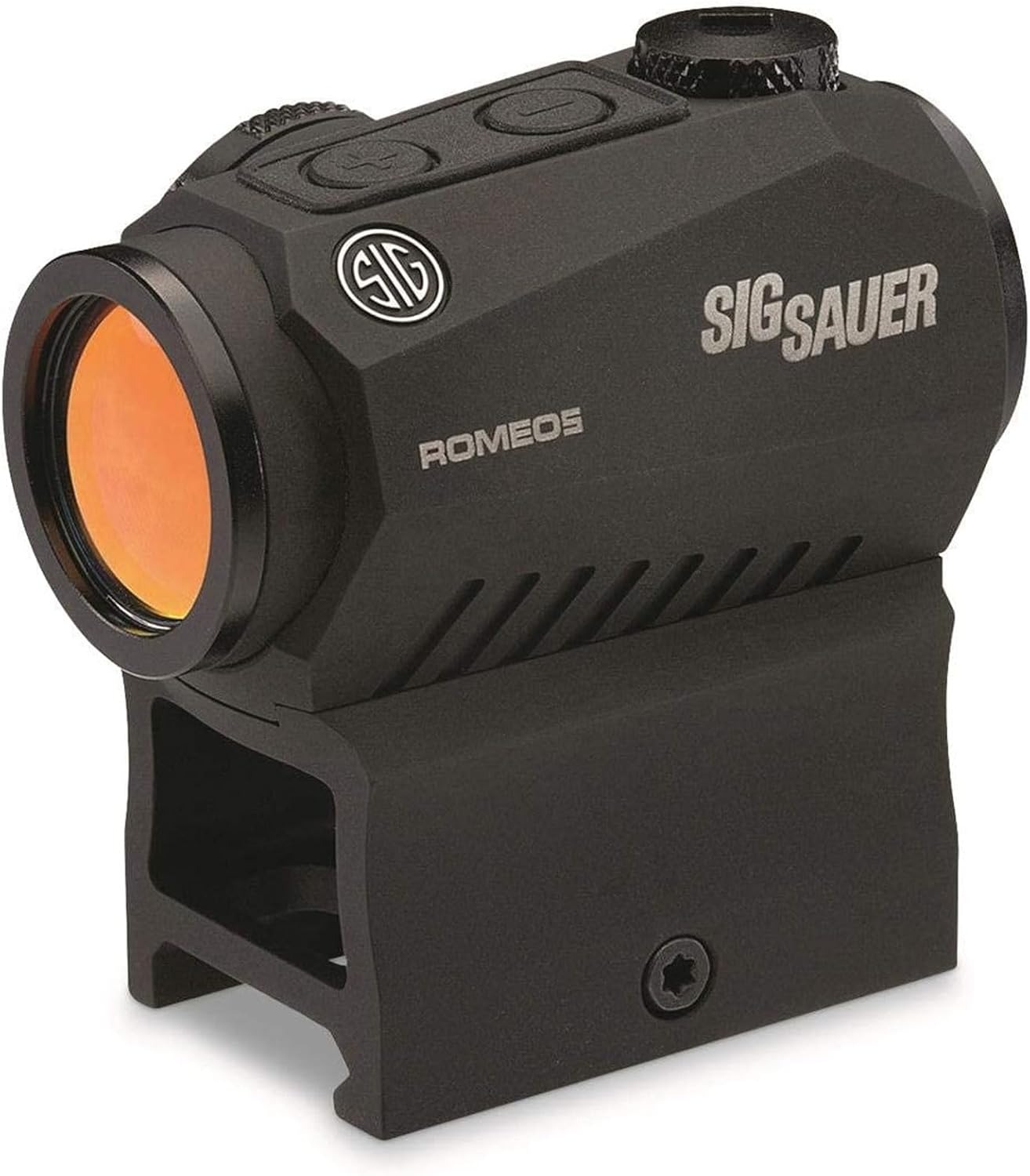
A budget-friendly optic that still performs reliably in the field.
Specs:
- 2 MOA dot
- MOTAC motion activation
- 40,000-hour battery
- Micro footprint
Pros:
- Affordable
- Good battery life
- Lightweight
Cons:
- Not duty-grade durability
- Basic glass quality
My hands-on notes:
For the price, the Romeo5 performs well. Parallax is acceptable, though more noticeable than premium optics. The lens has slight distortion and tint, but still usable. Controls are decent with gloves, though not as tactile.
What people say online:
Widely recommended as a budget option. Some users report durability limits under heavy recoil.
Mounting clarity:
Micro footprint—compatible with many mounts.
╰┈➤ Explore User Feedback and Current Pricing on Amazon
How I Tested / Evaluation Criteria
Parallax:
I tested each optic at varying distances and off-axis angles. True minimal parallax matters when shooting from awkward field positions, especially uphill or downhill. Premium optics consistently showed less shift.
Co-witness / Deck Height:
Deck height affects cheek weld and sight alignment. Lower deck optics allow better natural alignment, while taller optics may require risers or adjustments.
Durability:
Each optic was evaluated under recoil, temperature swings, and simulated impacts. Backcountry use demands consistent zero retention and structural integrity.
Battery:
Battery life isn’t just about hours—it’s about reliability in cold weather. I favored optics with proven long-term performance and easy battery access.
Brightness Range:
I tested in bright daylight and low-light conditions. The best optics offer clear visibility without bloom or washout.
Glass Quality:
Clarity, tint, and distortion all impact usability. High-quality coatings reduce glare and improve contrast in harsh lighting.
Controls Ergonomics:
Buttons and dials must be usable with gloves and in stress conditions. Poor ergonomics can cost critical seconds.
Mounting Ecosystem:
Compatibility with mounts and rifles is crucial. Flexible footprints and widely available mounts add significant value.
How to Choose the Right Red Dot for This Gun
Backcountry hunting isn’t forgiving. Every ounce you carry matters, and every piece of gear must justify its place. Choosing the right red dot starts with understanding your rifle setup and hunting style.
Weight should be your first filter. A heavy optic on a lightweight rifle defeats the purpose of a backcountry build. Micro dots like the Aimpoint series or compact Holosun optics strike the best balance between weight and durability.
Next is emitter type. Open emitters are lighter and often have better field of view, but they are vulnerable to debris. Enclosed emitters like the ACRO P-2 or 509T offer superior reliability in rain, snow, and dust. If you’re hunting in unpredictable weather, enclosed designs are worth the extra weight.
Battery life is critical. In remote environments, you can’t rely on frequent replacements. Optics with 20,000+ hour battery life or solar backup provide peace of mind. Motion activation features also help conserve power.
Dot size plays a major role in usability. A 2 MOA dot is the best all-around choice, offering precision at distance while remaining visible in fast shooting scenarios. Smaller dots like 1 MOA are better for precision rifles, while larger dots are faster but less precise.
Mounting compatibility is often overlooked. Ensure your rifle supports the optic footprint or has a compatible rail system. Some optics require adapter plates, which add complexity and potential failure points.
Finally, consider your environment. Cold weather affects batteries. Bright snow affects visibility. Dense woods require fast acquisition. Your optic should match your terrain and hunting style—not just your budget.
FAQs
1. Are red dots good for long-range hunting?
They are best suited for short to mid-range engagements. For longer distances, magnified optics are typically better.
2. What dot size is best for hunting?
A 2 MOA dot offers the best balance between speed and precision.
3. Do red dots work in cold weather?
Yes, but battery performance can degrade. Choose optics with proven cold-weather reliability.
4. Are enclosed emitters worth it?
Yes, especially in harsh environments where debris can block an open emitter.
5. How long do red dot batteries last?
Most modern optics last between 20,000 to 50,000 hours depending on settings.
Conclusion
Choosing the Best Red Dot for Backcountry Hunting comes down to balancing weight, durability, and reliability under real-world conditions. After extensive testing, optics like the Aimpoint Micro T-2 and ACRO P-2 stand out for their unmatched performance, while options like the Holosun 509T and Romeo5 offer strong value for hunters on a budget. The right choice ultimately depends on your terrain, rifle setup, and how much risk you’re willing to tolerate when conditions turn harsh.